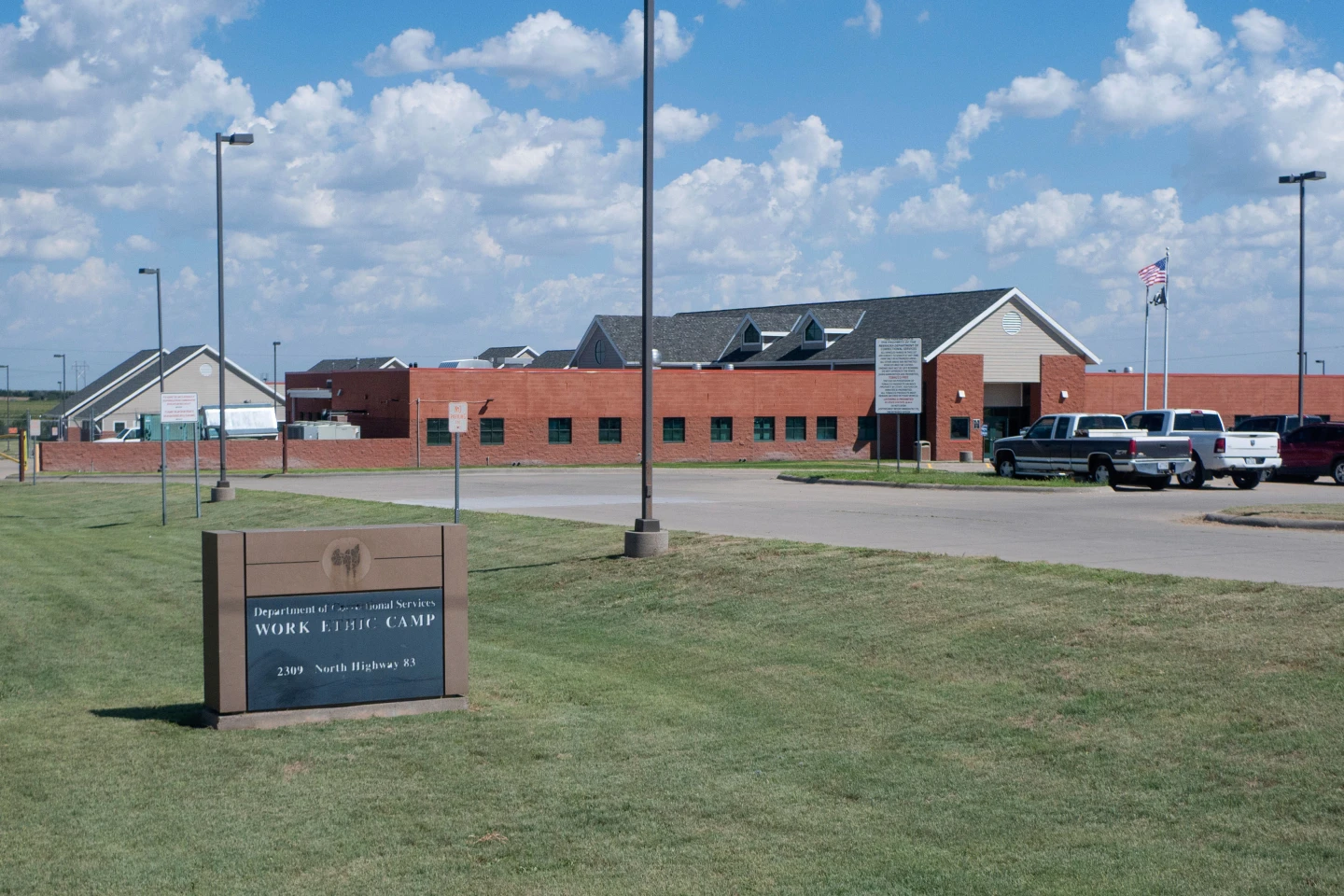
As discussions intensify regarding the proposed conversion of the McCook Work Ethic Camp into an immigration detention center, local leaders and lawmakers in Nebraska are increasingly alarmed by a lack of concrete information. Governed by the recent announcement made by Governor Jim Pillen, the facility is expected to house 200 to 300 male detainees, yet no formal agreement has been finalized three weeks later.
Corrections officials remain hopeful that the camp, which currently houses around 155 inmates participating in rehabilitation programs, can be retrofitted to accommodate immigration detainees as early as next month. Despite this optimism, state lawmakers, led by Senator Wendy DeBoer, contend that they received more questions than answers during a recent briefing, expressing frustration over the absence of clarity about staffing and transition costs.
The city's leaders were reportedly taken by surprise when the announcement was made, as many had not been consulted beforehand. Mike O'Dell, publisher of the local McCook Gazette, voiced concerns that residents were not given a say in the matter. While it’s estimated that a majority of McCook's population supported Trump’s immigration policies in the recent election, local familiarity with the low-risk offenders already housed in the camp complicates the community's response.
As lawmakers scrutinize the situation, fears about security risks of housing immigrant detainees in a facility designed for fewer inhabitants have prompted some to question the governor's authority and decision-making process. With a public hearing scheduled to address these concerns, the community of McCook anxiously awaits clarity on the future of the facility, its detainees, and their own quality of life.
Corrections officials remain hopeful that the camp, which currently houses around 155 inmates participating in rehabilitation programs, can be retrofitted to accommodate immigration detainees as early as next month. Despite this optimism, state lawmakers, led by Senator Wendy DeBoer, contend that they received more questions than answers during a recent briefing, expressing frustration over the absence of clarity about staffing and transition costs.
The city's leaders were reportedly taken by surprise when the announcement was made, as many had not been consulted beforehand. Mike O'Dell, publisher of the local McCook Gazette, voiced concerns that residents were not given a say in the matter. While it’s estimated that a majority of McCook's population supported Trump’s immigration policies in the recent election, local familiarity with the low-risk offenders already housed in the camp complicates the community's response.
As lawmakers scrutinize the situation, fears about security risks of housing immigrant detainees in a facility designed for fewer inhabitants have prompted some to question the governor's authority and decision-making process. With a public hearing scheduled to address these concerns, the community of McCook anxiously awaits clarity on the future of the facility, its detainees, and their own quality of life.