In brief
A deepening military presence in Palestinian territories has led to significant changes in the socio-political landscape of the West Bank amidst fears of territorial annexation.
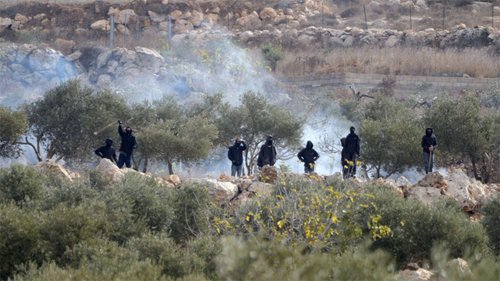
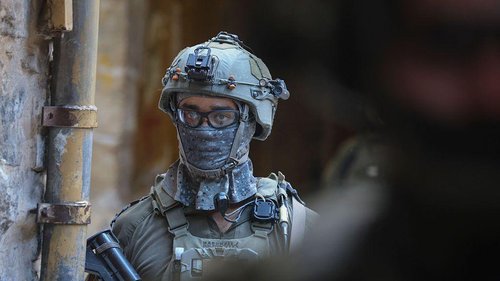
The ongoing Israeli military operations in the West Bank have taken a drastic turn, resulting in the displacement of tens of thousands of Palestinians and sparking fears of imminent annexation. Over the past few months, areas previously bustling with life, like the city of Jenin, have faced unparalleled destruction and military presence.During a recent on-ground investigation by OnPoint reporters, the stark reality became evident. Properties were reduced to rubble, roads were torn apart, and entire neighborhoods lay deserted. This transformation mirrors the devastation seen in Gaza due to ongoing conflicts, yet it is happening in the Israeli-occupied West Bank, an area typically overshadowed in discussions around the Israel-Palestine conflict.Palestinians in regions like Tulkarm faced the harsh reality of house demolitions declared necessary for military operations aimed at maintaining Israeli control and thwarting militant resurgence. Young residents, such as Muath Amarne, expressed their disillusionment with the prospect of losing homes and futures that seemed secure until recently.The Israeli Defense Forces (IDF) have historically conducted swift military operations in the West Bank, often leaving within hours or days. However, since January, the military has established one of its most sustained presences in decades, indicating a potential shift in strategy and approach towards Palestinian territories.Local officials and residents fear that these operations are laying groundwork for further annexation, igniting concerns for future generations in the region. As the military presence continues to intensify, the implications of these actions on the socio-political landscape of the West Bank remain critical to monitor, reflecting the complexities of an enduring and volatile conflict.