In brief
Iran's missile attacks have escalated tensions with Israel, prompting a vow from Israeli officials for increased military responses. The conflict, resulting in civilian casualties and extensive damage at hospitals, has raised concerns over further escalation and international involvement, including the U.S. Potential diplomatic efforts are overshadowed by the intensifying violence.
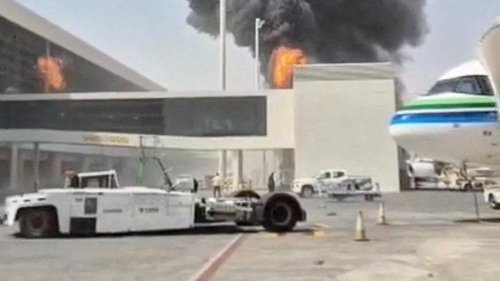
---Beersheba, Israel – The conflict between Iran and Israel has escalated dramatically following missile strikes that directly impacted civilian sites, including hospitals. As the situation continues to develop, Israeli defense officials have vowed to increase military operations targeting strategic sites in Iran.On Thursday, an Iranian missile struck the Soroka Medical Center in southern Israel, marking the first direct hit on a hospital since hostilities escalated last week. Reports indicate that while the hospital was largely evacuated, some injuries were sustained, and significant structural damage occurred. Prime Minister Netanyahu and Defense Minister Katz responded by announcing a shift toward intensified airstrikes on Iranian military facilities.“We will remove threats aimed at Israel and aim to destabilize the regime in Tehran,” Minister Katz stated, emphasizing a hardline approach in retaliation to the missile strikes. This announcement came amid ongoing Israeli military operations aimed at striking Iran's nuclear sites, including the targeted assault on facilities within the Arak region.Iranian military officials claimed their strikes were aimed at Israeli military assets located near the hospitals, asserting that their actions were defensive in nature. However, the tensions have resulted in a rising civilian death toll, with recent reports indicating at least 24 Israelis and over 224 Iranians have died as a result of the exchanges.As missile attacks and counterattacks continue, the impact on civilians is becoming increasingly severe. In both nations, air raid sirens have become a regular occurrence, disrupting everyday life and heightening fears of a broader conflict. Civilians in Tehran are reportedly dealing with severe shortages and disruptions, further exacerbated by a near-total internet blackout that has hampered communication and access to necessary resources.In a recent address, the U.S. President hinted at possible military involvement but kept the implications ambiguous, raising global concerns about the conflict spiraling out of control. As diplomatic efforts are complicated by the violence, both Iran and Israel find themselves caught in a cycle of retaliatory actions.Reports of potential talks surfaced, suggesting that Iranian officials, while still advocating for a firm stance against U.S. involvement, may open discussions with American representatives should hostilities cease.As this conflict unfolds with dramatic consequences for civilian populations, the international community is bracing for potential escalations and the urgent need for peaceful resolutions. Observers warn that the current situation could drastically change, drawing in powers outside the immediate region and complicating efforts for a ceasefire as humanitarian conditions worsen.