
In brief
Amid the chaos and destruction wrought by war, stories of resilience emerge from Gaza, showcasing the strength of those determined to rebuild their lives. Hatem Al-Atar, a civil defence worker, recounts his harrowing experiences and the profound loss of his family. He faces the challenges of a fragile future, motivated by the dream he wishes to fulfill in honor of his deceased brother. From the rubble-strewn streets to makeshift shelters, locals express a desperate longing for a return to normalcy while confronting their trauma and loss.
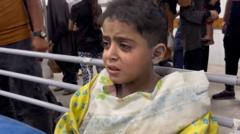
The conflict has not only obliterated homes and lives but has also ingrained deep psychological scars among survivors, especially children. Reports indicate that many young victims are grappling with overwhelming grief and the desire to reunite with lost loved ones. Meanwhile, aid is slowly trickling into the region, providing crucial support to the millions left displaced. Despite facing an arduous path of healing and reconstruction, the people of Gaza are steadfast in their hope for a brighter tomorrow. In the heart of Gaza, where destruction lingers, Hatem Al-Atar, 25, finds himself at the civil defence office in Deir al-Balah, living the aftermath of a war that has taken both a toll on his community and his family. As he reviews the events since October 7, he recounts the constant fear of death hanging like a shadow over his reality. Every moment felt perilous; his work was fueled by the urgency to save those affected by the bombings—quickly becoming a mission of both survival and mourning.The day he found out his father was killed in an airstrike is etched in his memory. The call came at dawn, stark and piercing—news like this never arrives with good tidings. When he reached the mortuary, the shocking sight of the lifeless bodies piled together shattered his soul; his entire family—his sister-in-law and her children—were among them. Yet, Hatem continues to push forward, visibly shaken yet resolute. As a ceasefire sits in place, the thoughts of a future become more vivid against the backdrop of destruction. He aspires to finish his education and thinks about pursuing a family of his own, wishes that felt surreal in concentric rings of war. For many others in Gaza, hope stands juxtaposed with despair. Amidst the rubble, professionals and families begin to sift through what remains of their lives. For Prof. Jumaa Abu Shiha, returning to his home only revealed the hollow echo of his former life, overshadowed by the fatigue of surviving day by day. The image of his children’s bedrooms, now reduced to ruins, is a reminder that memories are as fragile as the structures that once held them. His anguish resonates with so many: a communal pain that binds the survivors together.Simultaneously, aid is cautiously being delivered to address the urgent needs of the displaced population, although numerous obstacles still hinder the process. As trucks arrive with food and medicine, it is evident that tangible help can only scratch the surface of healing. The psychological toll of the war, particularly on children, remains deep, with many grappling with the fear of death or the wish to escape their reality. Stories of lost siblings and parents emerge from the shadows of sorrow. Ten-year-old Amr al Hindi, left an orphan after an Israeli attack, articulately shares his desire to honor his brother’s dream of becoming a doctor, even as the weight of his loss threatens to overwhelm him. His innocent aspirations speak volumes of the warfare that resides in the hearts of Gaza’s children—conflicts which may linger long after the physical battles have ended. In these moments of reflection and hope, we see that despite the unbearable losses, there exists a resilient will among the people of Gaza to rise, rebuild, and reclaim their dreams. Through local journalists who continue to document these hardships, the world can engage in understanding the true cost of conflict—the loss of lives, dreams, and a vision for peace.

