In brief
As Canadians head to the polls, climate change has shockingly dropped out of the spotlight, overshadowed by the urgent need to address U.S. threats and trade relations.
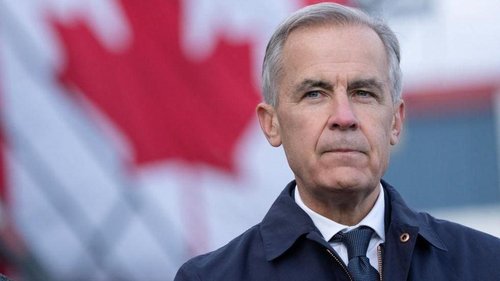
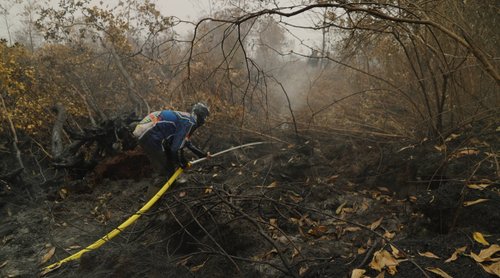
The article text:Despite the alarming realities of melting Arctic ice, unprecedented wildfires, and a national warming trend twice that of the global average, climate change is surprisingly absent from the agenda as Canadians prepare to vote. Recent polling reveals that this vital issue does not rank among the top ten concerns for voters.Jessica Green, a political scientist from the University of Toronto, highlights this trend, emphasizing, “That’s just not what this election is about.” The prevailing sentiment points towards the need for a leader capable of countering American President Donald Trump, who has issued threats of trade wars and hinted at the possibility of Canada becoming the “51st state”. Mark Carney, the leading candidate from the Liberals, comes equipped with an extensive background in climate policy. He previously served as the United Nations Special Envoy on Climate Action and Finance and led a coalition of financial institutions targeting net-zero emissions through responsible lending practices by 2050. However, Carney’s campaign has notably not prioritized climate change, suggesting a shift in focus is necessary given the current political landscape.After Prime Minister Justin Trudeau’s departure, Carney swiftly repealed one of Trudeau’s least popular initiatives—a tax on fuel that impacted gasoline prices and was linked to emission levels. These moves raise questions about how climate policy will fare in the face of urgent voter concerns regarding economic and geopolitical stability rather than environmental urgency.