Zimbabwe Parliament Extends President Mnangagwa’s Term to 2030, Removing Direct Elections
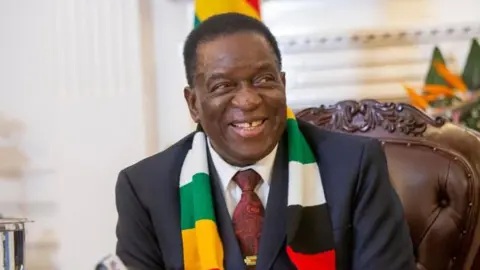
On Thursday a thunderous vote cleared the House of Assembly of a new bill that lengthens presidential terms in Zimbabwe from five to seven years. The amendment will allow the sitting president, 83, to remain in office until 2030, after the end of his second term, and it eliminates the direct elections that have taken place since 1990.
More than two hundred lawmakers approved the measure, crossing the two‑thirds threshold required to amend the constitution. The bill then travels to the senate where it is expected to pass, before the president himself signs it into law.
The vote also alters how the next president will be chosen: parliament will elect the head of state rather than the citizenry. Parliamentary elections, already scheduled for 2028, will be postponed to 2030.
The changes come after a long‑running ZANU‑PF campaign that has sought to modify the constitution and extend term limits. Supporters cite the need for continuity and stability, while critics say it weakens democratic accountability. Legal challenges have failed, with the Constitutional Court dismissing an attempt to block the bill.
Mnangagwa, who seized power in 2017 with military backing and topped disputed elections in 2018 and 2023, previously pledged to honour term limits. The new amendment now grants his presidency a longer tenure without any referendum endorsement.
Opinion pieces argue that such sweeping changes should have been presented to the electorate, while supporters maintain that the reforms secure a smooth political transition. The path ahead will see the senate review the bill, with the president slated to declare the final approval.