In brief
The Cockroach Janta Party, a satirical movement that has become a voice for Indian youth, called off its five‑week protest hours after Education Minister Dharmendra Pradhan resigned. Celebrations erupted as supporters cheered in Delhi’s Jantar Mantar, calling the resignation a win for democracy. The movement, which grew from a social media campaign featuring an AI‑generated cockroach, rallied around demands for education reform and accountability over exam paper leaks. The protest had been the most visible display of dissent against Prime Minister Narendra Modi’s government, and the resignation has already sparked national media attention and online memes. Despite the victory, CJP founder Abhijeet Dipke said the struggle continues, urging the government to address student suicides linked to exam cancellations and to prosecute police officers who used excessive force.
The Cockroach Janta Party (CJP)—a satirical, AI‑generated movement that took the name of a critter—cancelled its five‑week‑long protest after Education Minister Dharmendra Pradhan announced his resignation. The announcement came a few hours after the minister posted on X in Hindi, saying he was stepping down to respect the aspirations of young people and avoid legal complications for students.
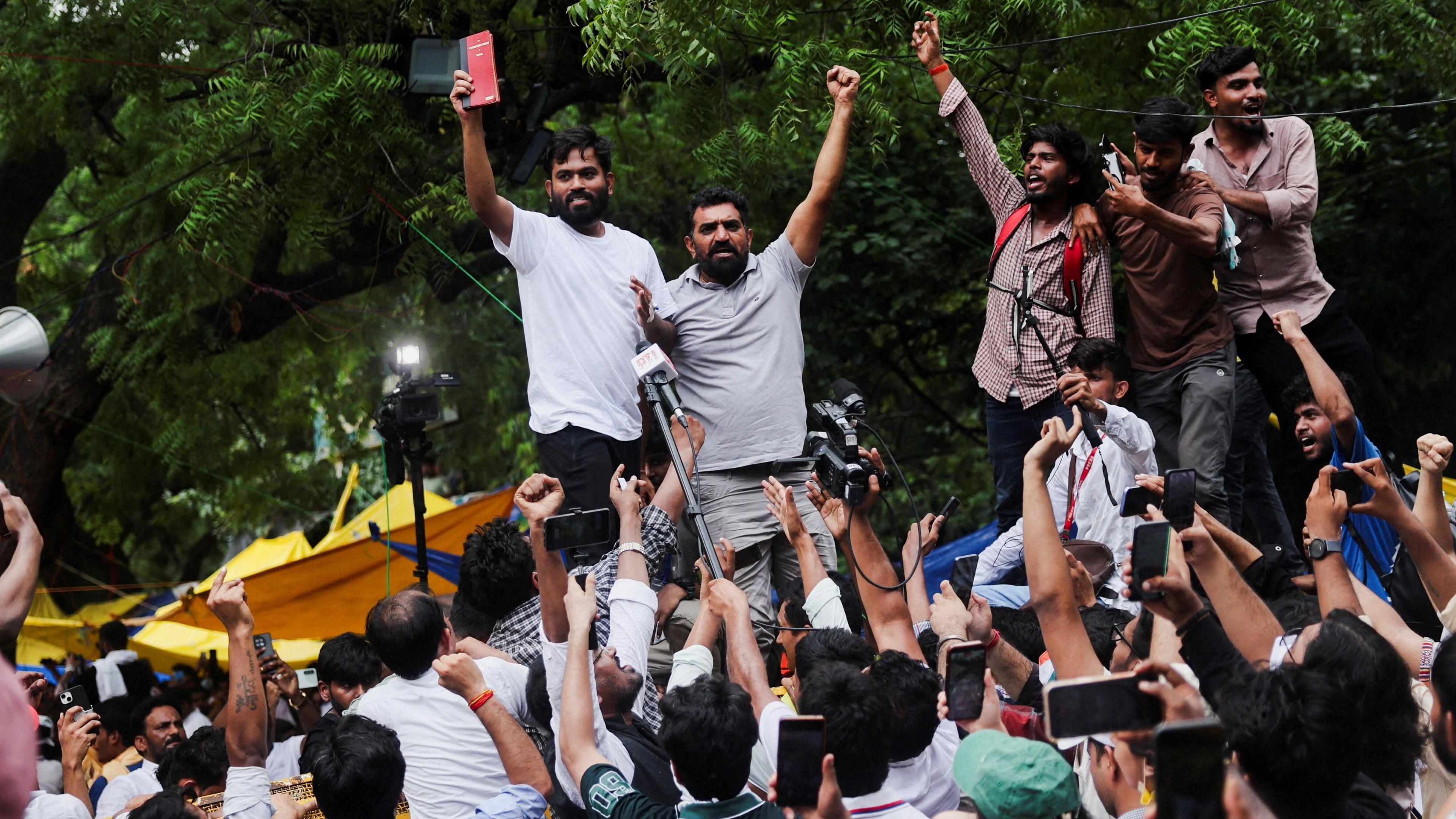
Thousands of supporters lit up Delhi’s Jantar Mantar, singing, dancing and handing out sweets, while the CJP’s founder, 30‑year‑old Abhijeet Dipke, shouted from a makeshift stage, "We have done it." The crowd stayed into the night, a testament to weeks of waiting and the sheer momentum of the movement.
The protest grew out of outrage over exam‑paper leaks and a police crackdown that saw several protestors injured. Three months of demanding changes led to the minister’s decision, which many see as a blow to Prime Minister Narendra Modi’s hard‑line reputation.
Dipke now says the fight continues: he will keep demanding compensation for students who died by suicide and will push for police accountability. The CJP keeps calling for a fast‑track court system on paper leaks.
For more details, see the BBC report here.