In brief
As climate change leads to more frequent extreme weather events, the availability of blood donations is threatened, according to a recent analysis. With rising demand for blood during these crises, the study underscores the urgent need to address the impending shortages.
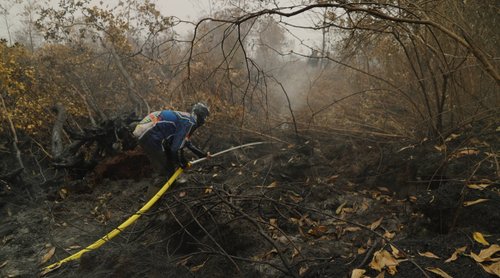
Climate change is emerging as an unexpected threat to the world’s blood supply, according to a new analysis that emphasizes its adverse effects on blood donations and transfusion safety. A study published in The Lancet Planetary Health highlights the intersection between increasing extreme weather events, driven by climate change, and their impact on the fragile blood supply network.Researchers, led by infectious disease expert Elvina Viennet of the University of the Sunshine Coast in Australia, found that extreme weather phenomena can both hinder donations and heighten demand for blood. This dual effect raises concerns about potential shortages during critical moments when blood is urgently needed.The study provides a comprehensive global assessment of how climate change influences various aspects of public health, specifically focusing on blood supply challenges. Viennet and her colleagues reviewed numerous studies that connect extreme weather, including hurricanes, wildfires, floods, and heat waves, to harmful effects on people's physical and mental health. These disasters can create barriers for potential donors, as impassable roads and immediate post-disaster crises can deter them from donating."Any significant disruptions to the availability and safety of the blood supply can jeopardize lives," warns Viennet. The findings shed light on how crucial it is to mitigate the effects of climate change on healthcare systems, particularly regarding blood supply reliability.Amidst these changing environmental conditions, proactive measures must be taken to protect the blood supply chain, ensuring that even during extreme weather events, strategies are in place to maintain adequate blood donations and safeguard transfusion safety.