In brief
In the Arab-majority city of Nazareth, students and activists are urging Arab Israelis to cast ballots that could swing the upcoming national election. Polls show neither Netanyahu's coalition nor the centrist Change Bloc is likely to win a clear majority, making Arab parties a potential kingmaker. Gaza war fallout has heightened mistrust of Arab citizens, but a fierce campaign to oust the right‑wing government is spurring civic engagement. Accusations of systemic discrimination, rising gang crime and recent Supreme Court rulings on party disqualifications further heighten the stakes as voters head to the polls.
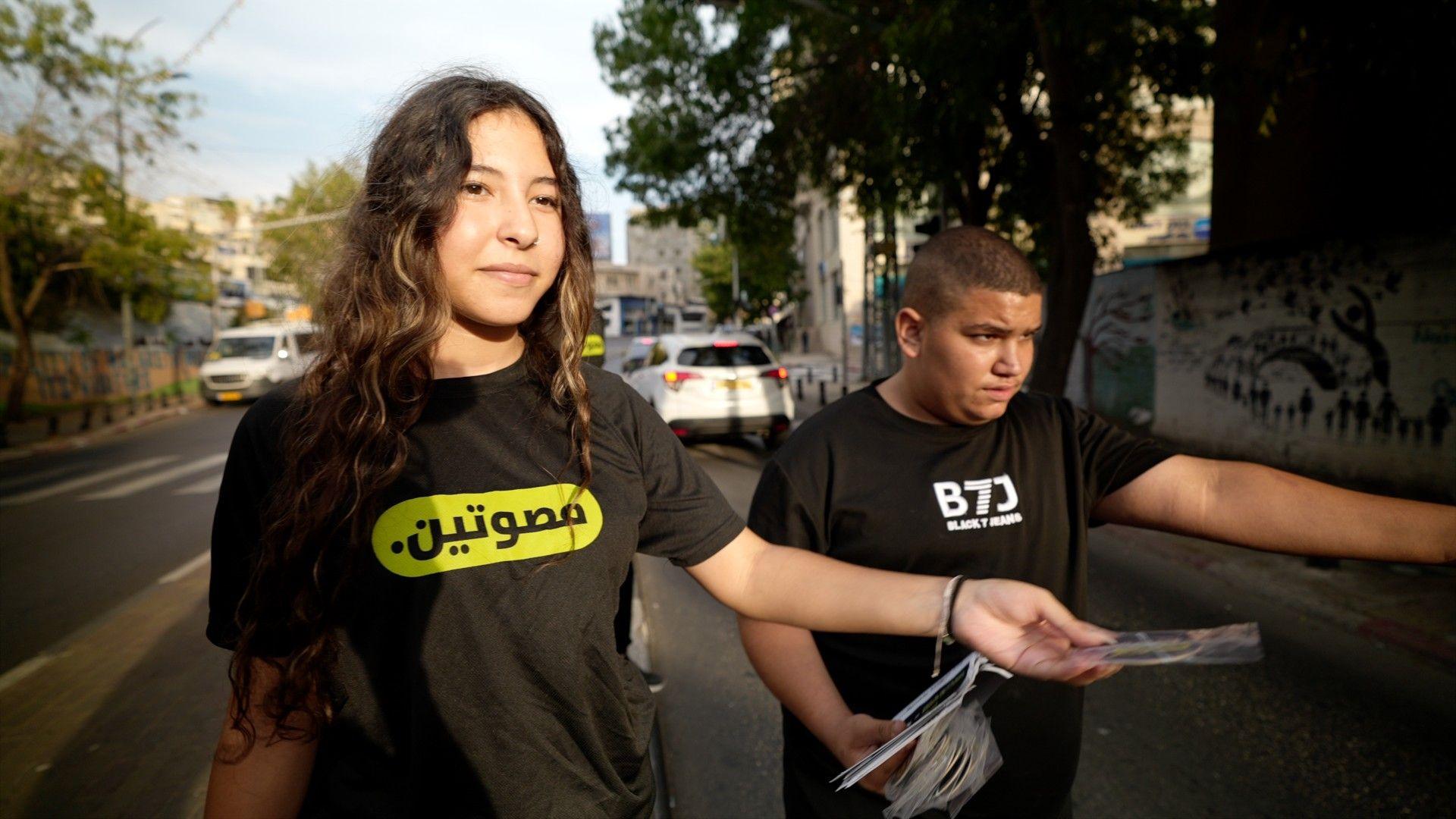
At rush hour in Nazareth, the largest Arab-majority city in Israel, students hand out leaflets to motorists, urging them to vote in next week's general election. The drive is part of a broader effort to mobilise Arab voters who have historically shown lower turnout.
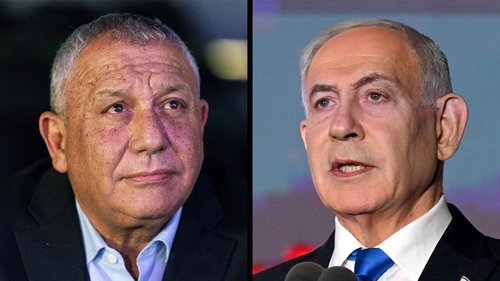
Polls indicate neither Netanyahu’s right‑wing coalition nor the centre‑right Change Bloc led by former military chief Gadi Eisenkot has a clear majority of the 120 seats in the Knesset. This leaves about 13 to 14 seats for Arab‑majority groupings, meaning Arab parties could hold the decisive balance of power.
Arab parties, including the joint secular‑leftist list and the Islamist‑run United Arab List, have faced accusations of denying Israel’s Jewish statehood. The Supreme Court recently overturned a Central Elections Committee decision that had sought to bar them from the ballot, a move that has kept the debate moving into the final days before voting.
The campaign atmosphere is intensified by the memory of the Hamas‑led assault on 7 October 2023, which fomented anger and suspicion towards Arab citizens. In response, some Arab leaders accuse the government of systemic discrimination, noting disproportionate penalties for Arab professionals who speak out against the war or post dissenting content on social media.
Another key issue for voters is rampant gang violence. A 2021 think‑tank survey found that over half of Arab Israelis said crime was the most important factor influencing their vote. In recent years murder rates among Arabs have spiked, with authorities struggling to secure convictions, further feeding frustration over perceived inaction.
With the Israeli election looming, Arab citizens view their turnout as pivotal, believing the result could shape their rights, security and future in the country. Their civic mobilisation in Nazareth, illustrated by leaflets, banners and party flags on cars, signals a determined push to secure representation and influence policy from the parliamentary table.