In brief
The shift in power raises concerns about the worsening humanitarian landscape in the region.
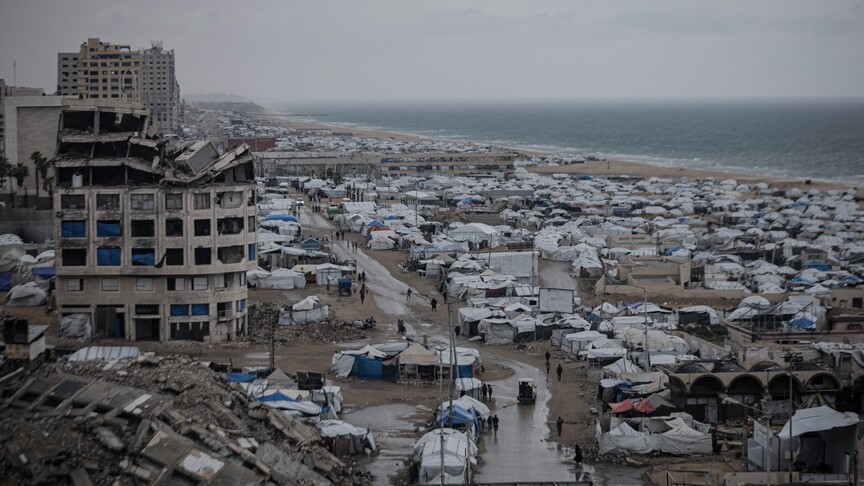
In the wake of President Bashar al-Assad's surprising ousting following Syria's protracted 13-year civil war, the atmosphere is filled with both hope and apprehension. Celebrations have erupted among Syrians who have long suffered under Assad’s oppressive regime, marked by severe poverty and numerous human rights violations. However, the ascension of rebel groups that now govern could intensify the already dire humanitarian situation.With the fall of Assad, the new governance faces significant hurdles, primarily due to the stringent sanctions imposed on Syria during his rule. These sanctions are expected to remain intact, placing severe restrictions on any potential funding for reconstruction efforts and limiting vital humanitarian aid needed by ordinary Syrians.Furthermore, significant complications arise from the involvement of Hayat Tahrir al-Sham (H.T.S.), the dominant rebel faction responsible for Assad's downfall. Regarded as a terrorist organization by the United States, the UN, and other entities, H.T.S.’s control over Syria could hinder international support. The existing sanctions mean that any administration associated with H.T.S. will struggle to secure humanitarian assistance or resources necessary for recovery. Alex Zerden from the Center for New American Security notes the exceedingly challenging nature of providing humanitarian help in Syria, as the country grapples with extensive sanctions and export controls that affect economic activities, including aid provisions. Despite the recognition of Syria’s pressing need for assistance, avenues for help remain stymied.While international efforts to provide aid are underway, they often face obstacles related to sanctions. Recently, Britain pledged an additional £50 million (approximately $63 million) for humanitarian support for displaced Syrians, alongside an announcement from Germany of €8 million ($8.4 million) earmarked for similar assistance. These commitments, while beneficial, may not be enough to offset the larger, systemic issues impacting the local populace as new leadership grapples with a fractured state and its inherent crises.