In brief
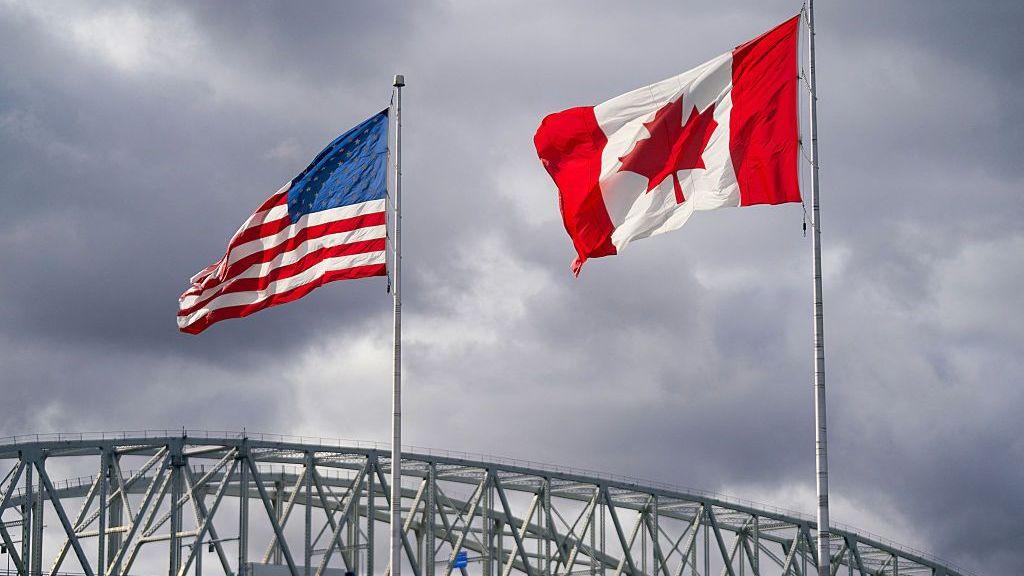
In a last‑minute trade move, the White House announced the removal of 50% tariffs on a suite of Canadian goods, beginning Oct. 30, a week before the U.S. midterm elections. The exemptions cover plywood, paper products, certain machinery and refrigeration equipment, goods vital to Maine’s agricultural sector. The decision comes after Senator Susan Collins, who faces a tight Senate race, pressed the administration for relief. While the U.S. had imposed the taxes on about $20 billion of Canadian merchandise, Canada has responded in kind, and trade experts warn the policy could influence the electoral outcome. Both sides keep the door open for a comprehensive trade deal.
The Trump administration declared on Friday that it would lift 50% tariffs on a range of Canadian goods from 30 October, just weeks before the U.S. midterm elections. The change follows a claim by Senator Susan Collins, who is fighting to keep her seat in Maine, that she had lobbied the White House for the exemption in the name of her state’s farmers.
Under the new tariff schedule, products such as plywood sheets, some paper items, certain types of machinery and refrigeration equipment will no longer carry the 50% duty that was imposed after trade negotiations collapsed in August. The White House noted that packing crates and boxes—common items in cross‑border shipping—would also be cleared of duties.
The U.S. originally levied the tariffs on about $20 billion of Canadian goods in October 2025, citing “unequal treatment” of American car, dairy and alcohol exports. In response, Canada quietly matched the duty rate in a “dollar‑for‑dollar” move launched the previous month, and Prime Minister Mark Carney described the tariffs as necessary to protect Canadian workers.
While the White House framed the decision as an effort to support American workers and ensure fair trade, it also announced new tariffs on carpets and “waste products,” signalling that not all Canadian goods will be exempted.
Senator Collins said the waiver would help Maine’s blueberry, potato, apple and seaweed growers, though her Democratic opponent, Troy Jackson, condemned the move as a partisan attempt to stabilise the “trade war.” Border states such as Maine and Michigan—whose economies rely heavily on Canadian trade—have voiced frustration as the standoff continues.
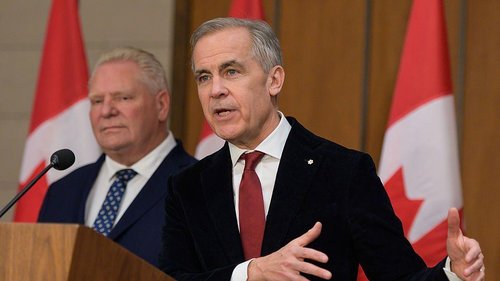
Canadian officials remain open to a broader settlement. Trade minister Dominic LeBlanc pledged to work in “good faith” toward a more balanced relationship, while Prime Minister Carney suggested the U.S. could sign a deal “this afternoon” if the administration were present.
The timing of the tariff easing precedes the election that will decide whether Republicans or Democrats control Congress. The outcome could have long‑term effects on trade policy and the future of the U.S.‑Canada relationship.