In a country where the phrase "paperwork" often evokes images of tedious, corrupt procedures, a handful of civil servants have begun to win nationwide standing for simply doing their jobs properly.
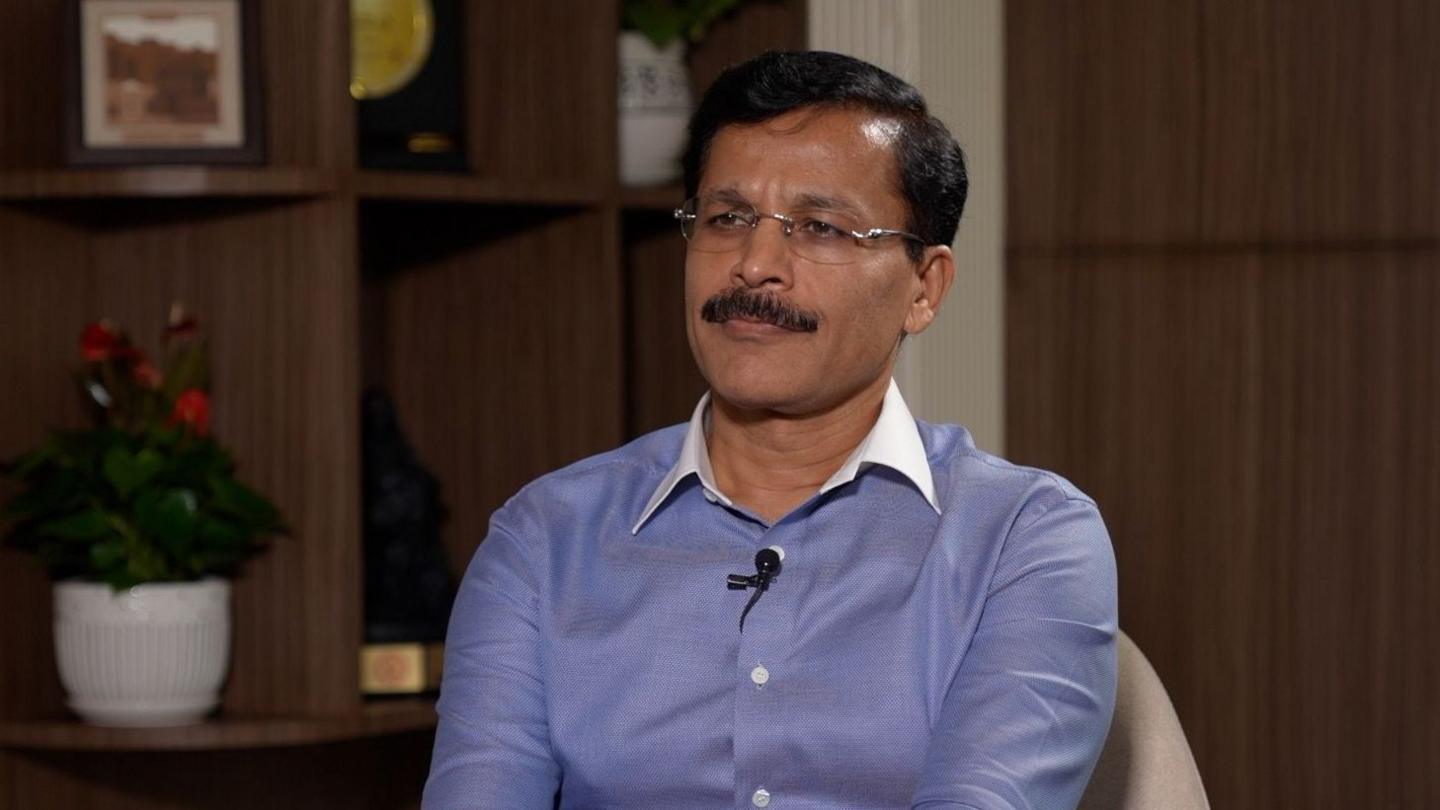
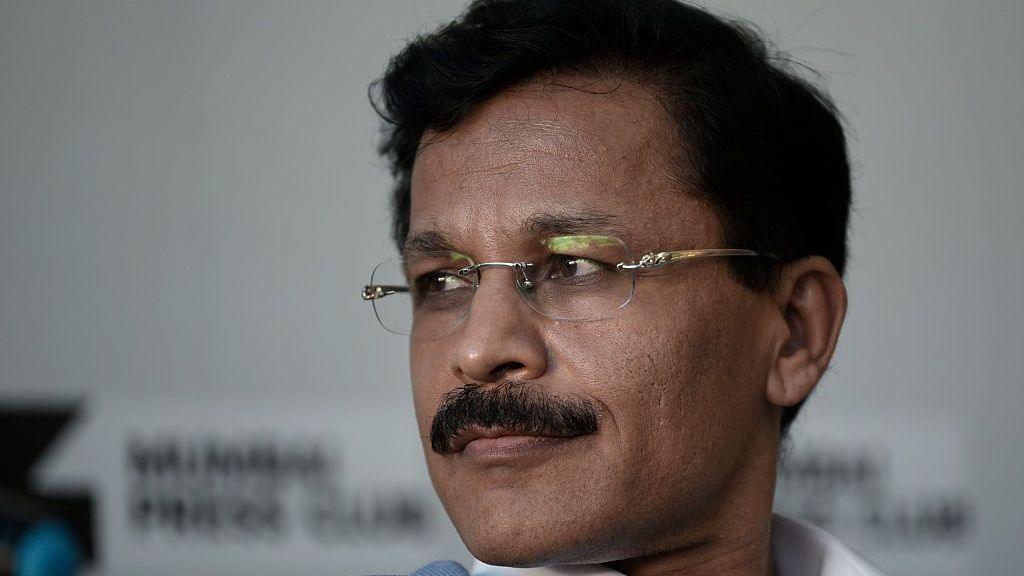
Tukaram Mundhe, 51, is one of those few. Since taking the post of Maharashtra’s Food and Drug Administration commissioner in May, he has led a series of enforcement drives that have uncovered pest infestations, expired drugs and poor hygiene in thousands of eateries and pharmacies. His teams have publicly sealed the doors of street stalls and closed low‑grade food vendors, citing evidence‑based inspections. Videos of these visits quickly spread across TikTok, WhatsApp and Twitter, turning routine compliance checks into a new, widely‑shared spectacle.
The social‑media frenzy has made Mundhe a national celebrity. Comment sections overflow with calls for similar officers to be deployed in every state, with citizens praising what they see as “transparent, fair and quick” enforcement. “What I see here is normal procedure done without delay or bribery,” one note read.
Mundhe is no ascendant; he is part of a legacy of outspoken bureaucrats. In the 1990s, former election commissioner N. T. Seshan famously removed dozens of politicians for violating electoral rules; in the 1980s, police officer Kiran Bedi earned the moniker “Crane Bedi” after towing a car that had illegally blocked the ambassador’s route. More recently, Bengaluru‑based town‑planner RS Batth has drawn attention for demolishing illegal plots, sparking both praise and protest.
So why are these cases so sparingly celebrated, while the majority of civil servants remain invisible? In India, bureaucrats fill a wide range of essential roles—issuing passports, collecting taxes, inspecting hospitals. Yet many are associated with delays, road‑blocks and, on occasion, bribes. When a local official cuts through that red‑tape, the impact resonates far beyond a single inspection.
Critics do not always see the enforcement as fair, however. The food‑industry concedes that some inspections feel selective and that restaurant owners view licence suspensions as a fear‑mongering tactic. Similarly, activists in Gurugram claim that Batth’s demolitions affect vulnerable street vendors who have no alternative livelihood. Bureaucrats find themselves in a delicate position: follow the law and win public support, or bend it to accommodate economic realities and risk being branded as corrupt.
The institutional environment is another variable. Pushpa Sundar, a former civil servant turned development commentator, says officers who refuse political pressure are often transferred or sidelined. She notes that carrying out an unpopular regulation can “cost a family a post and a paycheck.” Jumbled bureaucratic landscape offers little safety net; the risk of political backlash often makes officials settle for the easier path of compliance.
The speed at which a local council meeting can turn into a viral clip has only amplified the stakes. A thank‑you post on a regulator’s profile can reach millions, casting the officer as a national talking‑point in hours. The public’s growing appetite for accountability means duty‑bound service is suddenly seen as an act of heroism, while an apparently simple act of enforcement becomes a headline.
The question turning up in policy circles is how to turn this rare individual success into systematic reform. Suggestions range from ramping up transparency in inspection reports, to embedding whistle‑blower protections and institutionalizing consistent oversight. If the goal is to move from one hero to many, the reforms must address both the incentives that create systemic delays and the punitive mechanisms that silence a defiant officer.
Ultimately, the stories of Mundhe, Batth and earlier icons reveal two truths. First, citizens are eager for public servants who act with competence and integrity. Second, institutional backup is essential to sustain such performance. By reframing the narrative—from heroism as a one‑off incident to a reward for institutional excellence—India can tilt its civil‑service culture toward efficiency, transparency and ultimately, public trust.