In brief
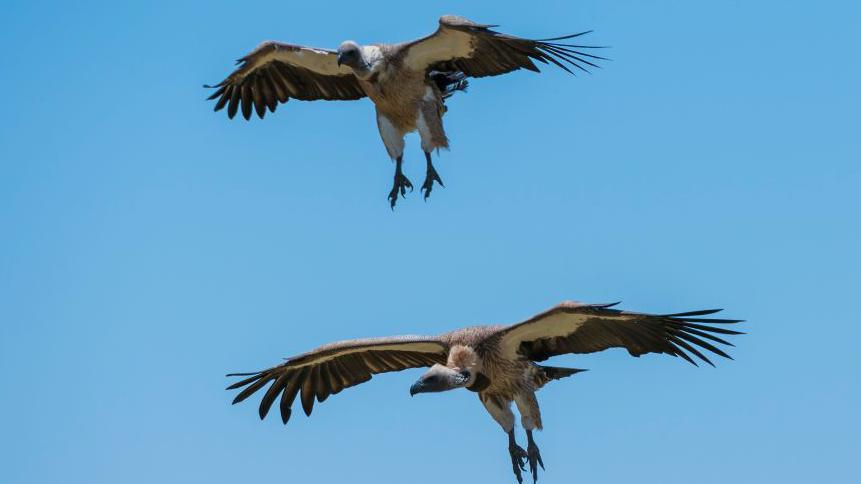
Southeastern Nigerian village Awka‑Etiti protects a sacred shrine where vultures are revered instead of hunted. Over the past decade, West African vulture numbers have dropped by up to 97 % because of hunting, poisoning and illegal trade, and the birds play a vital role in curbing disease. Igwe, known locally as the ‘Vulture King’, has mobilised community patrols, educational outreach and local bylaws, raising the resident vulture count from around 20 in 2017 to more than 160 today. Conservation scientists note that vultures’ rapid carcass disposal prevents outbreaks of anthrax and rabies, a service lost when their populations collapse. While Nigerian customs officials tighten smuggling controls, it is the community’s respect for the birds and regular protective ceremonies that keep the species alive.
Southeastern Nigerian village Awka‑Etiti protects a sacred shrine where vultures are revered as omens of fortune rather than hunted as rotting carrion. The community’s faith in the birds shapes daily life and keeps the bugs of tradition from claiming the vital scavengers.
Across West Africa, vultures face a silent crisis. Decades of hunting, poisoning and illegal trade have reduced their numbers by as much as 97 % over fifty years, threatening entire ecosystems that rely on the birds to clean carcasses and prevent outbreaks of anthrax, rabies and other zoonotic diseases.
In Awka‑Etiti, Chukwuemeka Igwe—known locally as the ‘Vulture King’—has turned the tide. By organising community patrols, raising awareness, and lobbying for local protection bylaws, he has increased the resident vulture count from roughly 20 in 2017 to over 160 this year. His efforts coincide with a cultural narrative that a sacrificial offering is only complete if vultures appear, which links community pride with conservation outcomes.
Scientists emphasise the birds’ role: vultures consume dead animals within hours, using powerful stomach acids to neutralise toxins and stop the spread of disease. If the birds disappear, the natural first line of defence in many African landscapes vanishes, opening the food chain to dangerous pathogens.
While Nigeria’s customs officers and conservation agencies clamp down on illegal smuggling—acting on the principle that a species cannot survive if it is trafficked across borders—the real hero is the local populace. Their respectful rituals, vigilant sanctuary patrols and insistence on protecting sacred sites demonstrate how cultural reverence can be an effective conservation tool. As the flock returns, each soaring presence brings hope for the future of a species that otherwise may have faded into extinction.