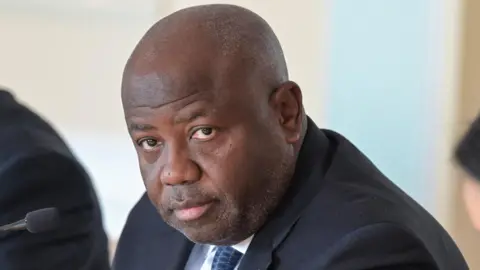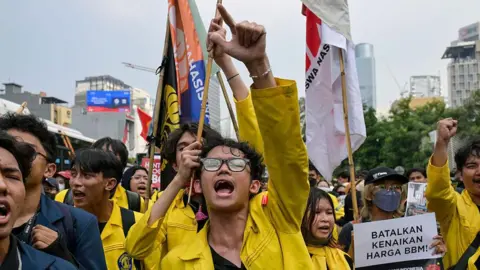
All they stand for is anger, hatred, and destruction, roared a hoarse Viktor Orban. The Hungarian prime minister was speaking at a mass election rally in Györ in western Hungary on 27 March, referring to opposition protesters who chanted Filthy Fidesz during his speech. For just a moment, his carefully cultivated image as the voice of calm navigating his country through stormy seas was shattered. His bad-tempered outburst showed a different side of a man used to cracking jokes and charming even his critics.
Most opinion polls put the opposition Tisza party and its leader Peter Magyar far ahead of Orban's Fidesz - the latest by 58% to Orban's 35%. And he is doing everything he can to close the gap. After 16 years of virtually unchallenged rule, Orban has been forced to take to the road again. In the past three elections, he gave few rallies. Now Europe's longest-serving leader is trying to mobilise his supporters and reach the undecided. He has just a week left to rescue his government, and the international populist movement he embodies, from a crushing defeat.
In power since 2010, Orban has had the support of both US President Donald Trump and Russian President Vladimir Putin. He has long been a thorn in the side of the EU - and one of the few EU leaders not supportive of Ukraine. For Europe's growing band of nationalist parties, in power or on the brink of it, he is the model. The 12 April Hungarian parliamentary election is being watched closely all over the world.
Each day brings a new indication that Orban is in trouble, from alleged voter-intimidation schemes to a dramatic Russian proposal to stage a fake assassination attempt on Orban. Political analyst Gabor Török noted recently: If the remaining two weeks unfold like this, it does not bode well for the government side.
A victory for Fidesz in this election would add momentum to the chances of far-right parties in Europe. A defeat would take some of the wind out of their sails. Overall, the upcoming election represents not just a local race but a global referendum on Orban's authoritarian model and its implications for European politics.
Most opinion polls put the opposition Tisza party and its leader Peter Magyar far ahead of Orban's Fidesz - the latest by 58% to Orban's 35%. And he is doing everything he can to close the gap. After 16 years of virtually unchallenged rule, Orban has been forced to take to the road again. In the past three elections, he gave few rallies. Now Europe's longest-serving leader is trying to mobilise his supporters and reach the undecided. He has just a week left to rescue his government, and the international populist movement he embodies, from a crushing defeat.
In power since 2010, Orban has had the support of both US President Donald Trump and Russian President Vladimir Putin. He has long been a thorn in the side of the EU - and one of the few EU leaders not supportive of Ukraine. For Europe's growing band of nationalist parties, in power or on the brink of it, he is the model. The 12 April Hungarian parliamentary election is being watched closely all over the world.
Each day brings a new indication that Orban is in trouble, from alleged voter-intimidation schemes to a dramatic Russian proposal to stage a fake assassination attempt on Orban. Political analyst Gabor Török noted recently: If the remaining two weeks unfold like this, it does not bode well for the government side.
A victory for Fidesz in this election would add momentum to the chances of far-right parties in Europe. A defeat would take some of the wind out of their sails. Overall, the upcoming election represents not just a local race but a global referendum on Orban's authoritarian model and its implications for European politics.