In a notable shift in energy policy, the US has begun importing Venezuelan oil following years of stringent sanctions. The Minerva Gloria, a sizeable oil tanker, has docked in the Mississippi Sound carrying 400,000 barrels of crude, highlighting the easing of trade restrictions. This marks a crucial turning point for Venezuela, which boasts the world's largest oil reserves yet has seen its output plummet under the former leadership of Nicolás Maduro due to sanctions and lack of investment. The recent relaxation under the Biden administration has paved the way for Chevron to import and refine Venezuelan crude, with the potential to significantly impact US fuel prices.
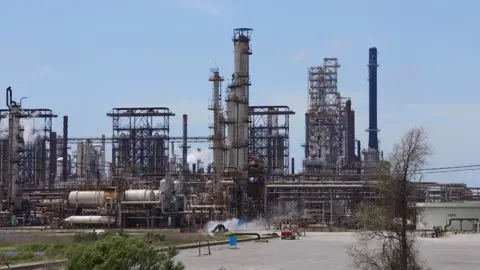
Chevron’s Pascagoula refinery, which specializes in heavy crudes, is set to process this oil. Tim Potter, the refinery's director, noted the strategic alignment of refining capability and crude source, emphasizing that the refinery’s design is optimized for heavy oils like those from Venezuela. The anticipation is that increasing imports—projected to rise gradually from approximately 250,000 to 400,000 barrels per day—will eventually lead to lower prices at the pump for American drivers.
Despite accessing this crude, immediate relief in fuel prices remains uncertain. Prices at US gas stations have continued to climb, largely due to ongoing global market fluctuations influenced by various geopolitical factors including tensions surrounding the Iran conflict. Although US domestic oil production is thriving, current market conditions still dictate fuel prices.
The implications of this trade revival could be substantial, potentially altering the landscape of US fuel prices and highlighting Venezuela's strategic role in the global oil market. As the situation evolves, many are watching closely to see if the influx of Venezuelan oil brings the long-awaited relief to American consumers.
Chevron’s Pascagoula refinery, which specializes in heavy crudes, is set to process this oil. Tim Potter, the refinery's director, noted the strategic alignment of refining capability and crude source, emphasizing that the refinery’s design is optimized for heavy oils like those from Venezuela. The anticipation is that increasing imports—projected to rise gradually from approximately 250,000 to 400,000 barrels per day—will eventually lead to lower prices at the pump for American drivers.
Despite accessing this crude, immediate relief in fuel prices remains uncertain. Prices at US gas stations have continued to climb, largely due to ongoing global market fluctuations influenced by various geopolitical factors including tensions surrounding the Iran conflict. Although US domestic oil production is thriving, current market conditions still dictate fuel prices.
The implications of this trade revival could be substantial, potentially altering the landscape of US fuel prices and highlighting Venezuela's strategic role in the global oil market. As the situation evolves, many are watching closely to see if the influx of Venezuelan oil brings the long-awaited relief to American consumers.