Wilder Fernández has caught four good-sized fish in the murky waters of a small bay north of Lake Maracaibo. The contents of his net will serve as dinner for his small team before they set out to go fishing again in the evening. But this daily task is a job he has recently become scared of doing. After 13 years as a fisherman, Mr Fernández confesses that he now fears his job could turn lethal.
He is afraid he could die in these waters not at the hands of a night-time attacker - a threat fishermen like him encountered in the past - but rather, killed in a strike launched by a foreign power. It's crazy, man, he says of the deployment of US warships, fighter jets, a submarine and thousands of US troops in waters north of Venezuela's coast.
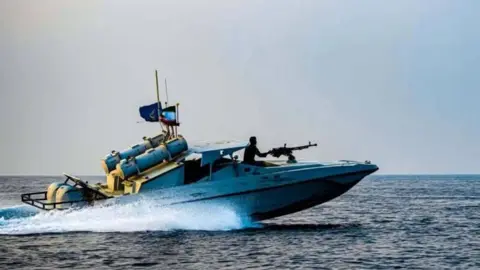
The US force patrolling in the Caribbean is part of a military operation targeting suspected narco-terrorists, which according to the White House have links to the Venezuelan government led by Nicolás Maduro. Since 2 September, the US has carried out a number of strikes against what it labelled narco-boats, in which at least 27 people have been killed.
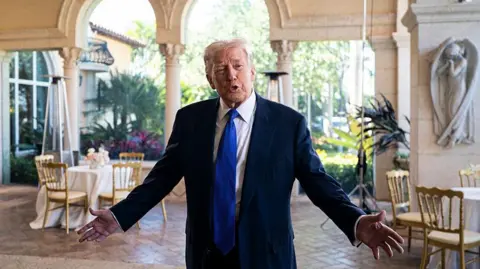
The Trump administration accuses Maduro of leading the Cartel of the Suns drug trafficking gang and is offering a $50m reward for information leading to his capture. Maduro has denied the cartel accusations and called for peace in the face of escalating military threats.
Fishermen fear becoming collateral damage in the ongoing US operations. Reports and statements from local fishermen highlight a growing anxiety about safety at sea, with many hesitant to go out to fish. The attacks have created a climate of fear that risks pushing fishermen toward illicit activities as they grapple with decreasing earnings in an already deteriorating economic condition.
In response to the military threat, some have rallied in support of the Maduro government, asserting their intent to defend their homeland. The situation remains fraught, with concerns that the cycle of violence could deepen in the coming months.
He is afraid he could die in these waters not at the hands of a night-time attacker - a threat fishermen like him encountered in the past - but rather, killed in a strike launched by a foreign power. It's crazy, man, he says of the deployment of US warships, fighter jets, a submarine and thousands of US troops in waters north of Venezuela's coast.
The US force patrolling in the Caribbean is part of a military operation targeting suspected narco-terrorists, which according to the White House have links to the Venezuelan government led by Nicolás Maduro. Since 2 September, the US has carried out a number of strikes against what it labelled narco-boats, in which at least 27 people have been killed.
The Trump administration accuses Maduro of leading the Cartel of the Suns drug trafficking gang and is offering a $50m reward for information leading to his capture. Maduro has denied the cartel accusations and called for peace in the face of escalating military threats.
Fishermen fear becoming collateral damage in the ongoing US operations. Reports and statements from local fishermen highlight a growing anxiety about safety at sea, with many hesitant to go out to fish. The attacks have created a climate of fear that risks pushing fishermen toward illicit activities as they grapple with decreasing earnings in an already deteriorating economic condition.
In response to the military threat, some have rallied in support of the Maduro government, asserting their intent to defend their homeland. The situation remains fraught, with concerns that the cycle of violence could deepen in the coming months.