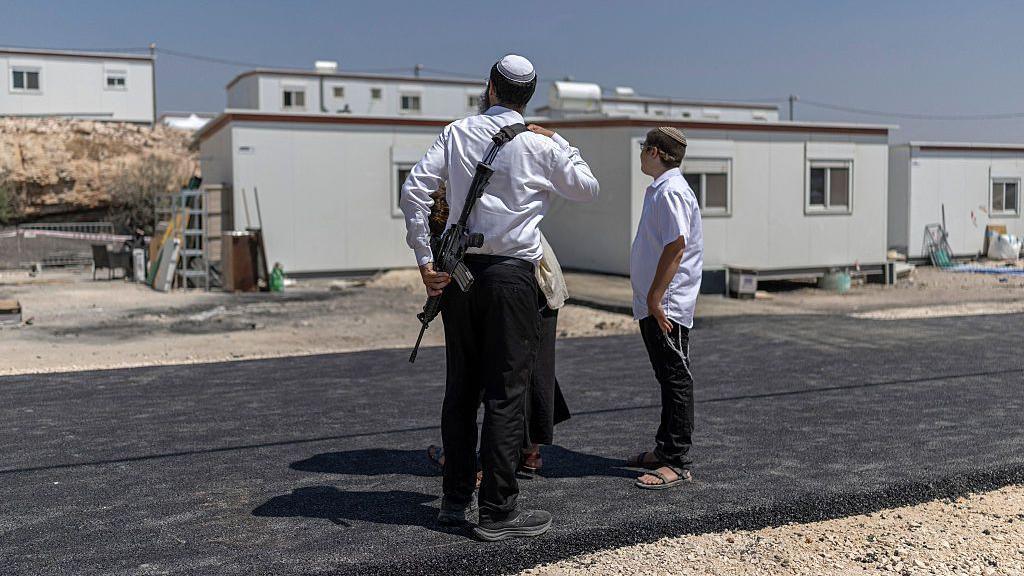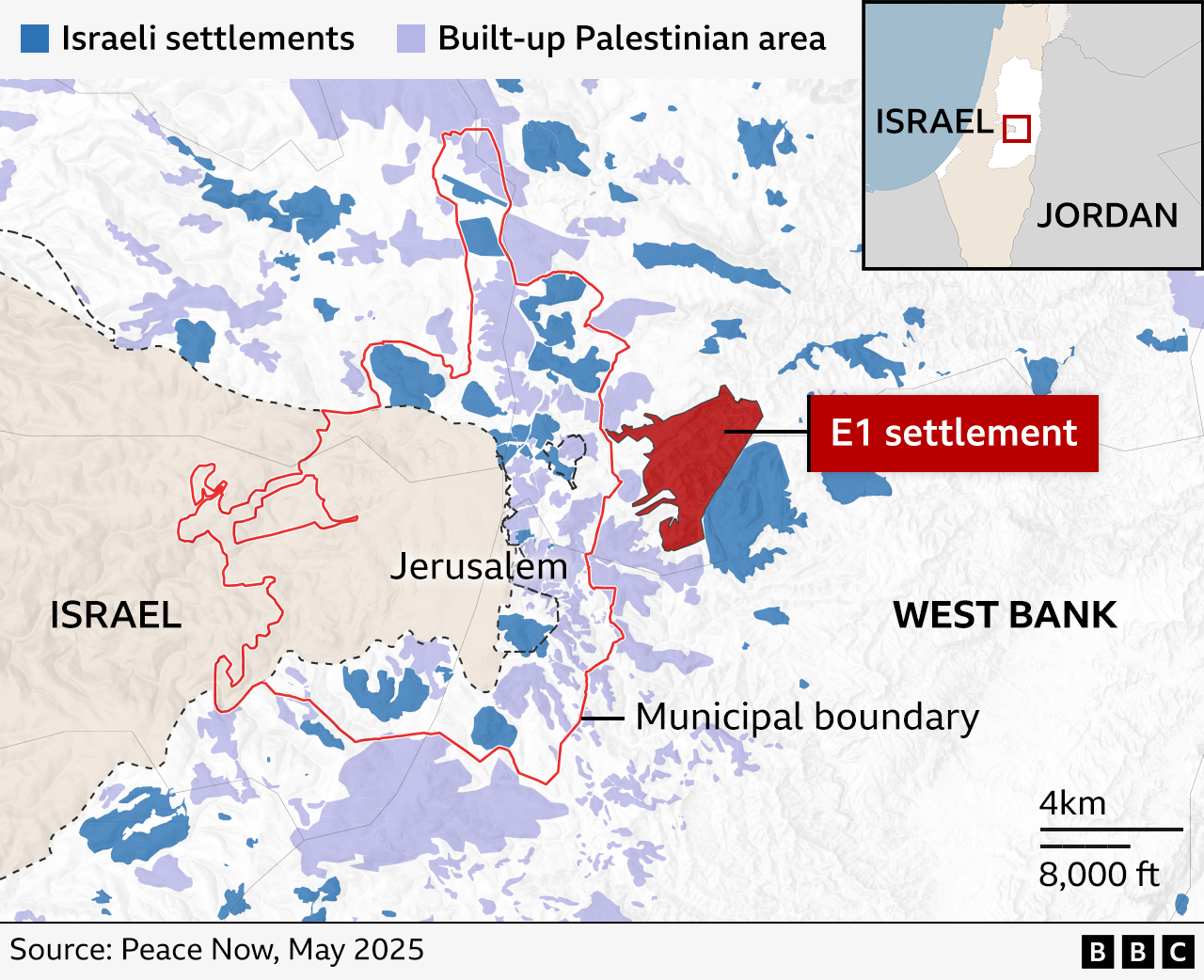
The UK's recent decision to sanction Israeli settlements in the West Bank has sparked a sharp reaction from Israel.
Israeli officials announced that Britain would shut its diplomatic mission to the Palestinian Authority, expel UK military staff from an international coordination base near Gaza, and bar several left‑wing UK MPs from entering Israel. These measures, a dramatic diplomatic escalation, were met with fury by an Israeli government that viewed the sanctions as a direct attack on its policy.
While the UK framed its move as a moral obligation to protect a future two‑state solution, Israel labeled it an affront that could undermine stability in the region. The standoff coincided with a wave of sanctions from an additional eleven European states, signalling a broader European shift against settlement expansion.
In the United States, the reaction remained notably restrained. Secretary of State Marco Rubio, who had been briefed on the UK announcement before traveling to Colombia, emphasised that the US would not adopt the same punitive stance. His remarks – delivered during a press interview in Miami – highlighted shared concerns for regional stability and cautioned against a spike in violence.
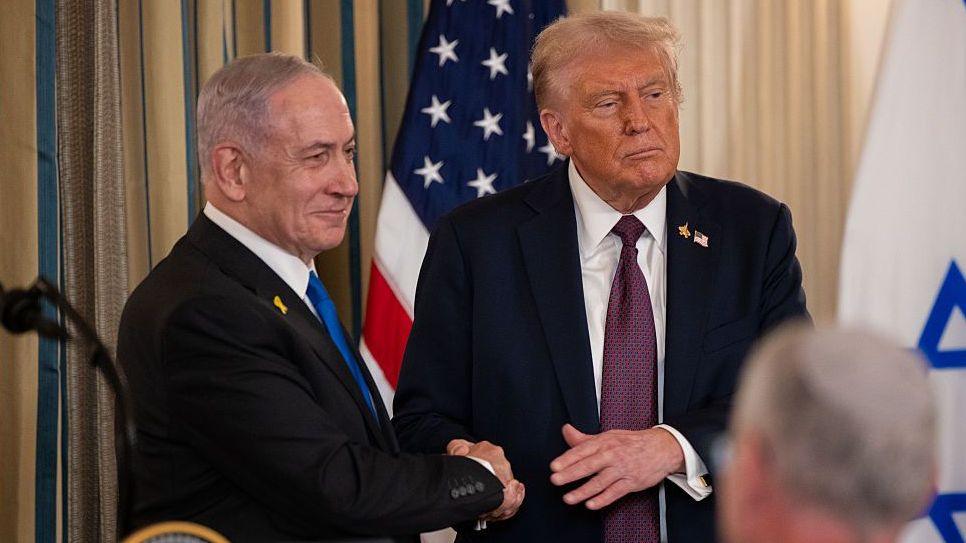
President Biden is slated to discuss the matter directly with Israeli Prime Minister Benjamin Netanyahu. Despite pressure from pro‑Israel congressional Republicans wishing to isolate Britain, the White House has opted for a more measured approach, reflecting internal frustration with Israel’s continued settlement activity.
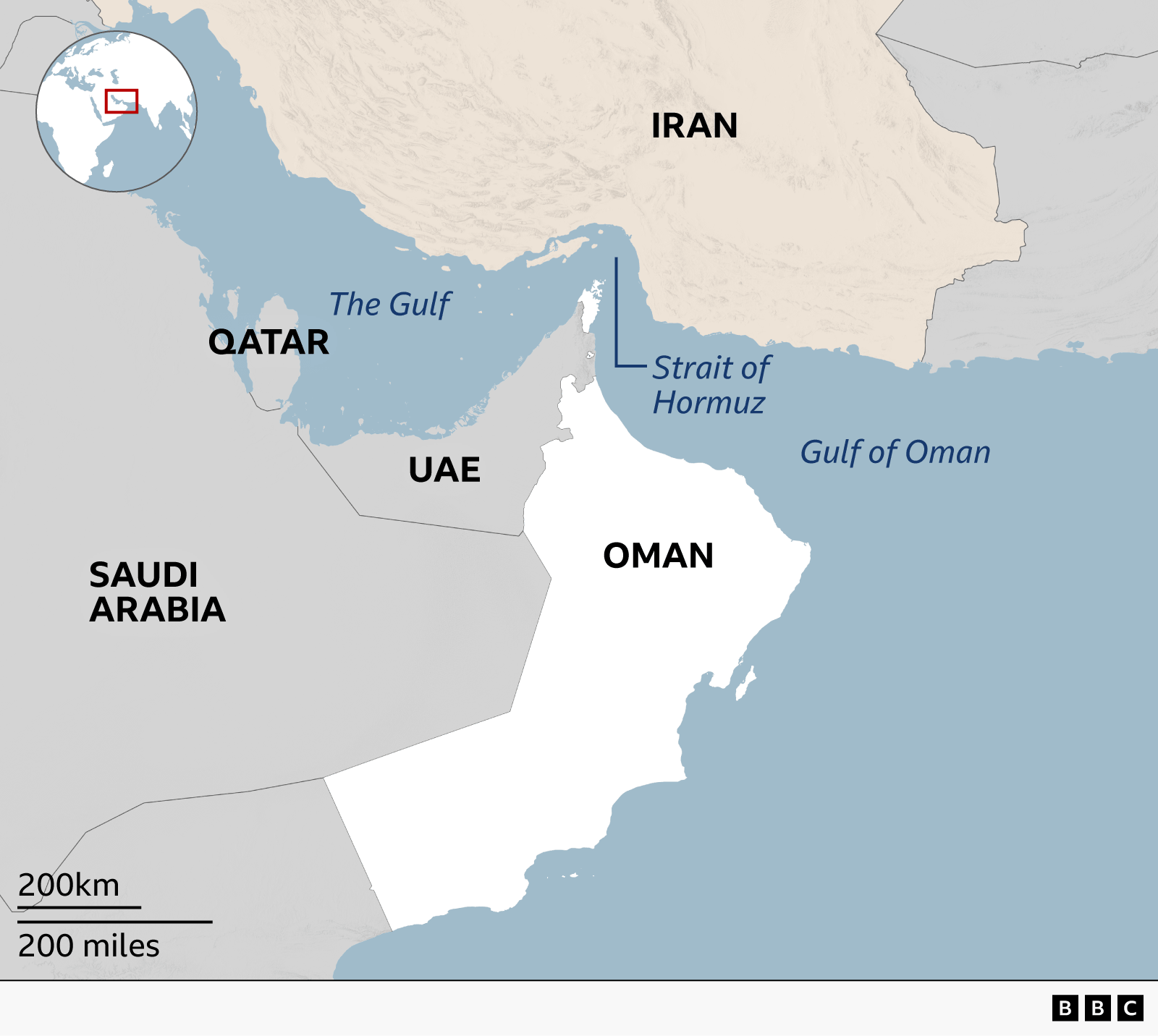
The muted U.S. position underscores a broader tension in Washington’s Middle‑East strategy: attempting to balance support for Israel with an effort to promote peace and curb settlement expansion, all while navigating competing geopolitical interests such as the fight against Iran and the pursuit of a Gaza peace plan.