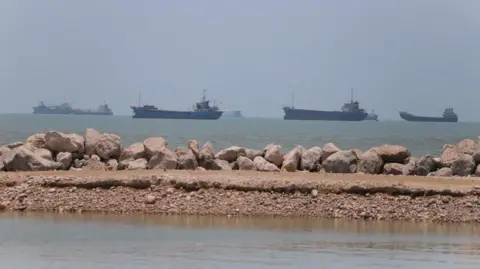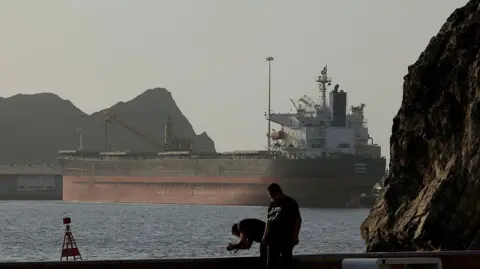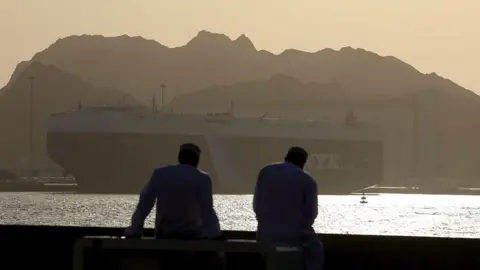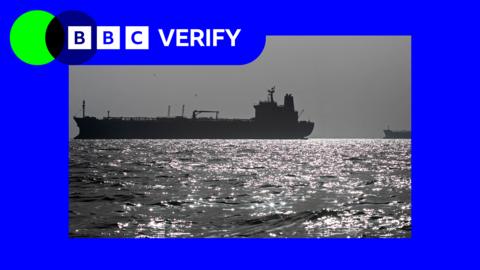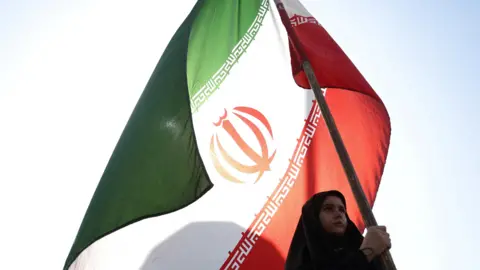
Iran and the US have agreed to a conditional two-week ceasefire, during which shipping traffic will resume through the crucial Strait of Hormuz. This agreement arrives over a month after coordinated military attacks by the US and Israel against Iranian positions.
According to Pakistan's Prime Minister Shehbaz Sharif, who has been mediating the negotiations, the ceasefire came into effect immediately. Details of the agreement stipulate that Iran will allow vessels to pass through the Strait while US President Donald Trump has reiterated that the bombing of Iran will cease for the specified period, conditional on the reopening of the Strait.
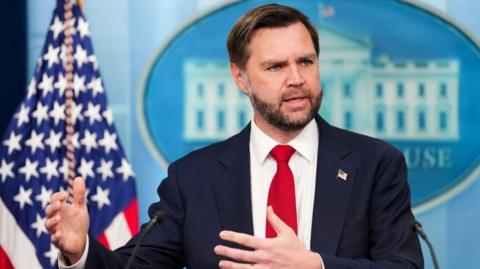
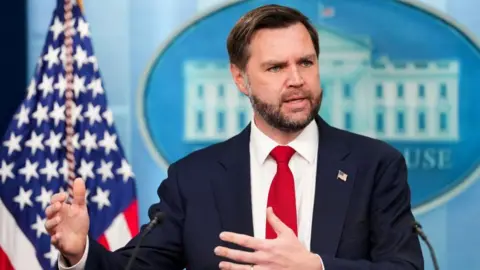
Trump stated that the US would work closely with Iran regarding tariff and sanctions relief, while US Defence Secretary Pete Hegseth confirmed that American troops would remain vigilant to ensure compliance with the ceasefire terms.
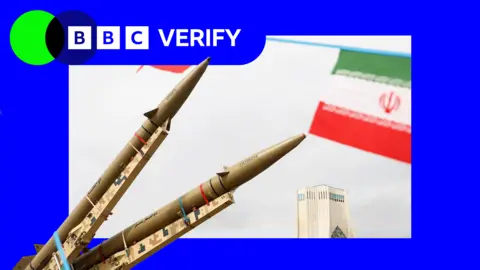
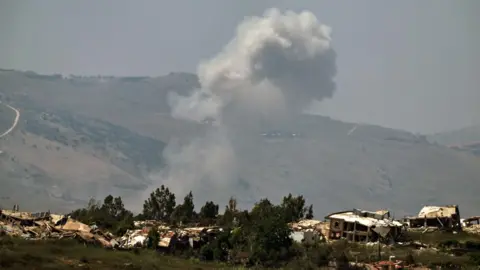
In terms of the broader implications, Iran has outlined a ten-point plan for peace that emphasizes the cessation of conflicts in neighboring countries and a commitment to not pursue nuclear weapons. However, Israeli officials have expressed skepticism about the ceasefire's applicability to the ongoing tensions with Hezbollah in Lebanon.
As both sides prepare for further negotiations, questions loom regarding the future of military engagements, particularly as recent reports suggest continued hostilities involving Iranian actions against Kuwaiti targets.