In brief
President Donald Trump unveiled a controversial agreement to import up to three million tonnes of diesel from Russia, claiming it will lower fuel costs for Americans. The deal, announced amid soaring energy prices triggered by the Iran‑Israel clash, has drawn fierce criticism from both Republicans and Democrats, who argue it violates U.S. sanctions laws and inadvertently funds Russia’s war effort. Lawmakers and international leaders, including Ukraine’s Zelensky, call the arrangement a “gift” to Putin, while advocates argue it eases pressure on U.S. farmers and truckers. The Treasury plans to suspend sanctions on Russian diesel until early April, but broader economic stakes remain high as the U.S. navigates the tension between domestic fuel relief and foreign policy commitments.
Donald Trump’s plan to tap Russian diesel has ignited a political firestorm.
In a Friday post on Truth Social, the president announced that Russian President Vladimir Putin had agreed to release 300,000 tonnes of diesel “immediately” into the U.S. and global markets, with further shipments set for November and beyond. Trump has just signed legislation that empowers U.S. sanctions and tariffs on nations importing Russian oil and gas, making the move appear contradictory.
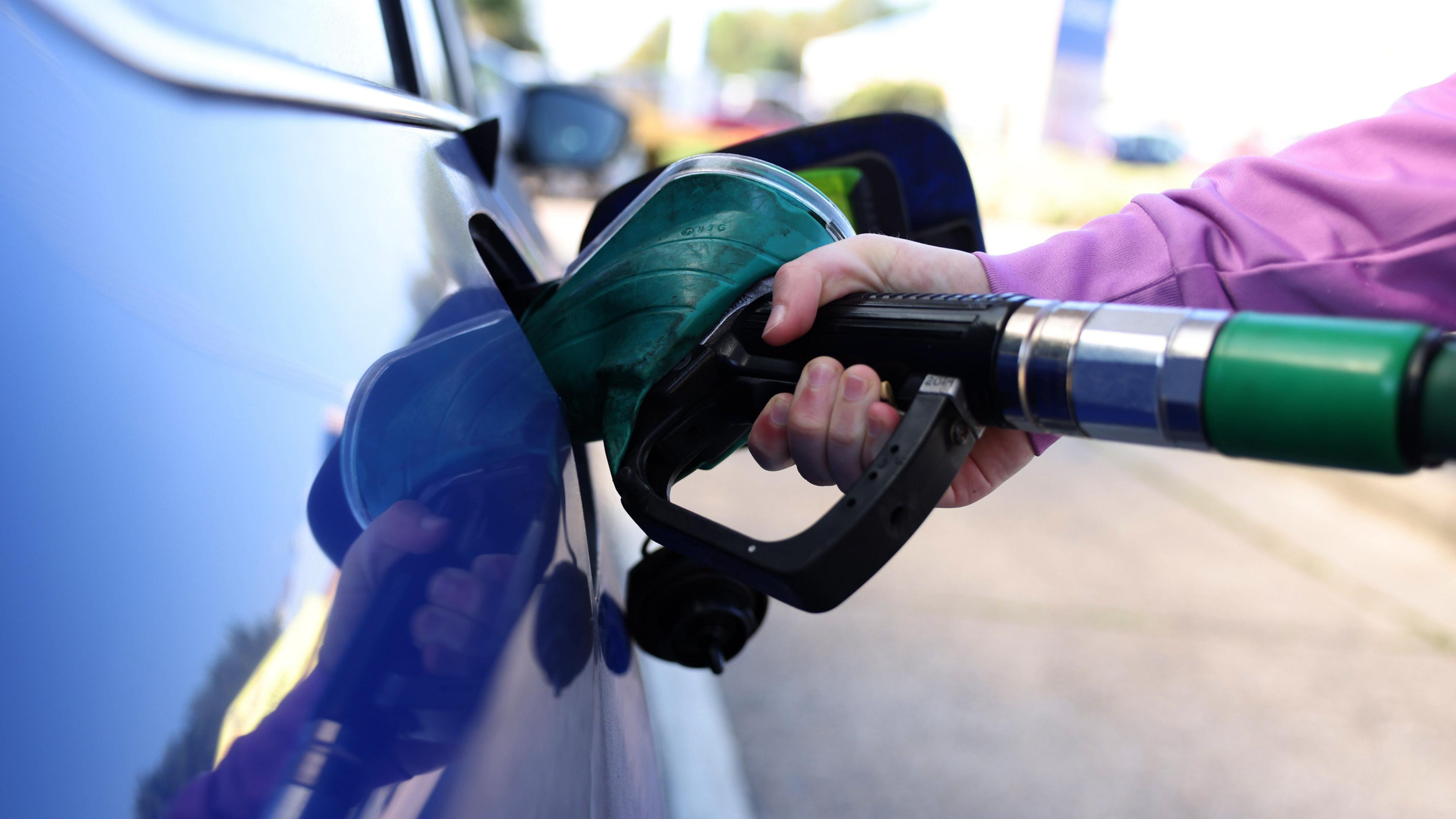
The decision comes amid soaring energy prices brought on by the Iran‑Israel conflict and continued disruptions to crude oil supply. Trump says the primary aim is to give “lower prices for Americans, especially our Great Farmers, Ranchers, and Truckers.”
But the agreement has drawn sharp criticism from lawmakers on both sides of the aisle. A bipartisan group of seven senators—four Republicans and three Democrats—issued a statement urging Trump to reverse the course, arguing that the deal violates U.S. law and provides a financial lifeline to a nation waging war in Ukraine.
Ukrainian President Volodymyr Zelensky called the arrangement a “gift to Putin” and an “investment in a war that must be ended.” Meanwhile, Canadian Prime Minister Mark Carney and UK Defence Secretary Wes Streeting urged the U.S. and its allies to intensify pressure on Russia instead of easing fuel costs for beat‑up households.
The Treasury says it is suspending sanctions on Russian diesel exports until April 7, but other aspects of the U.S. sanctions regime—including frozen assets in American banks—remain in place. Analysts note the United States consumes roughly 3.6 million barrels of diesel a day; a 300,000‑tonne shipment would cover about half of daily demand, raising questions about its practical impact on prices.
The move comes at a critical time for U.S. politics. Midterm elections loom, and the party’s ability to control Congress could hinge on how the public perceives Trump’s economic performance amid ongoing geopolitical tensions.
Related fan‑out: