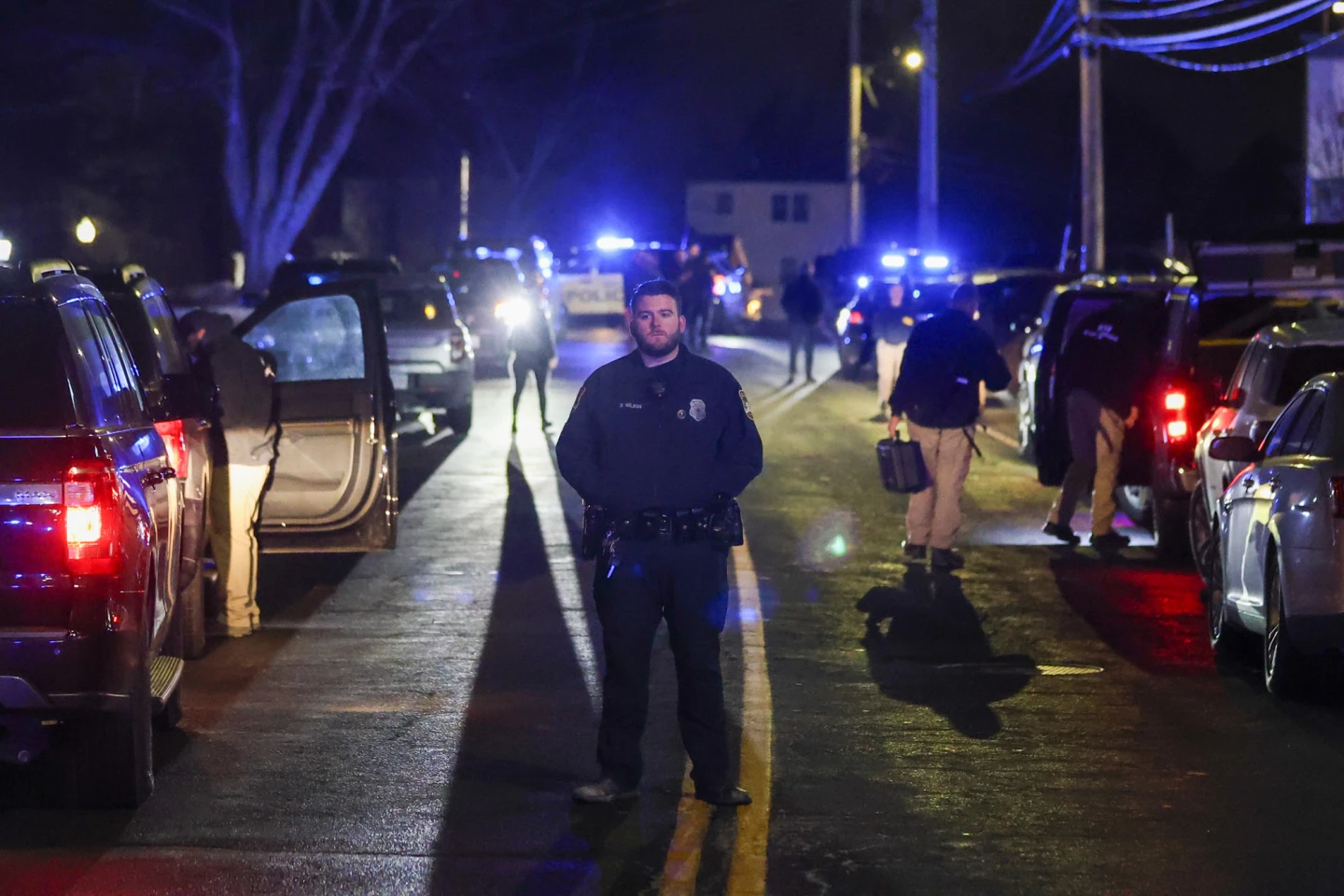
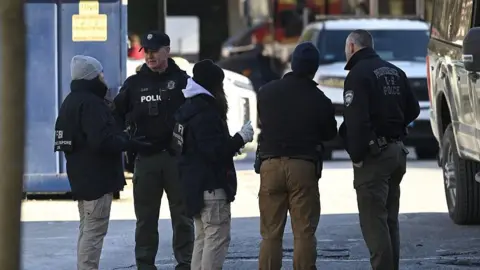
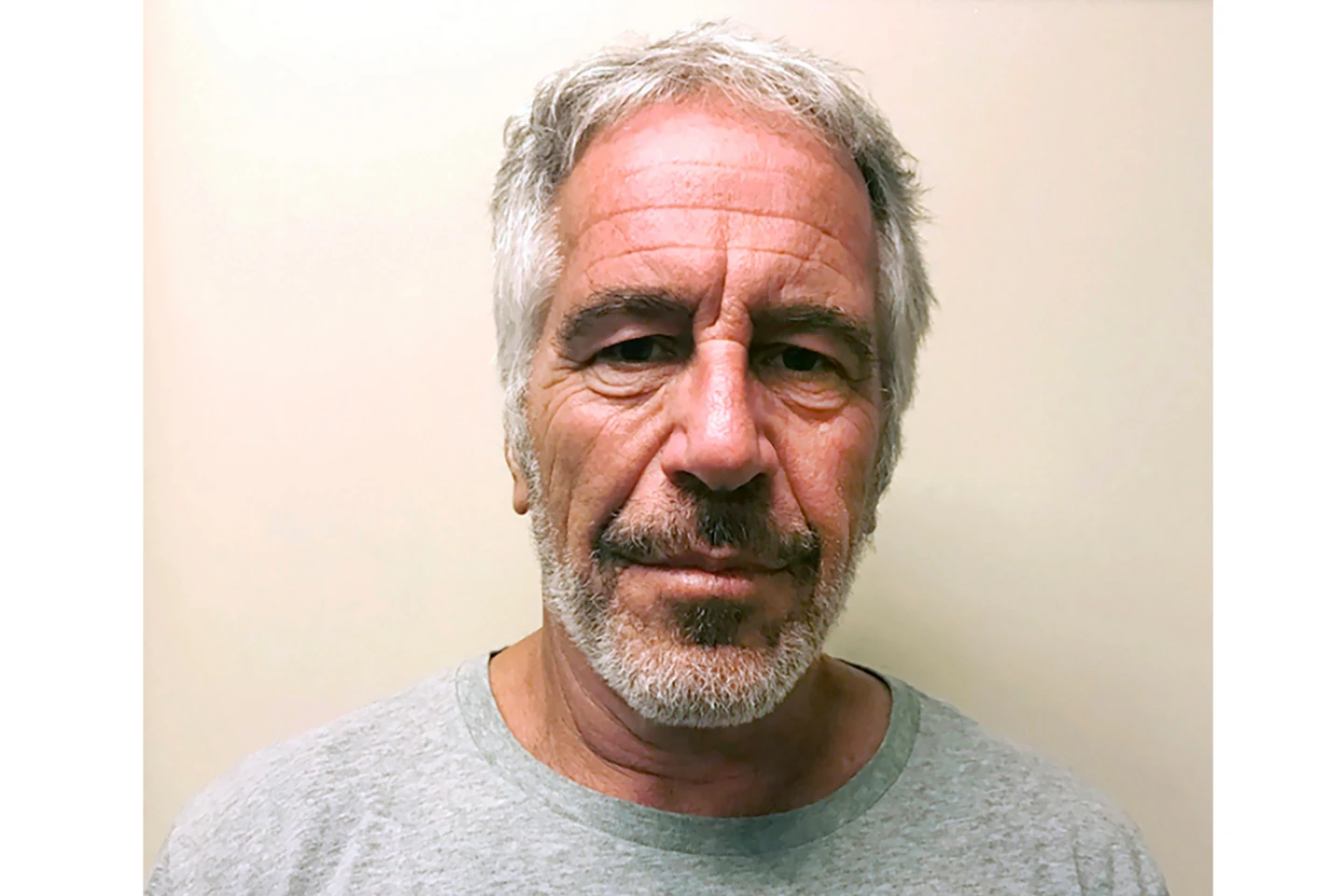
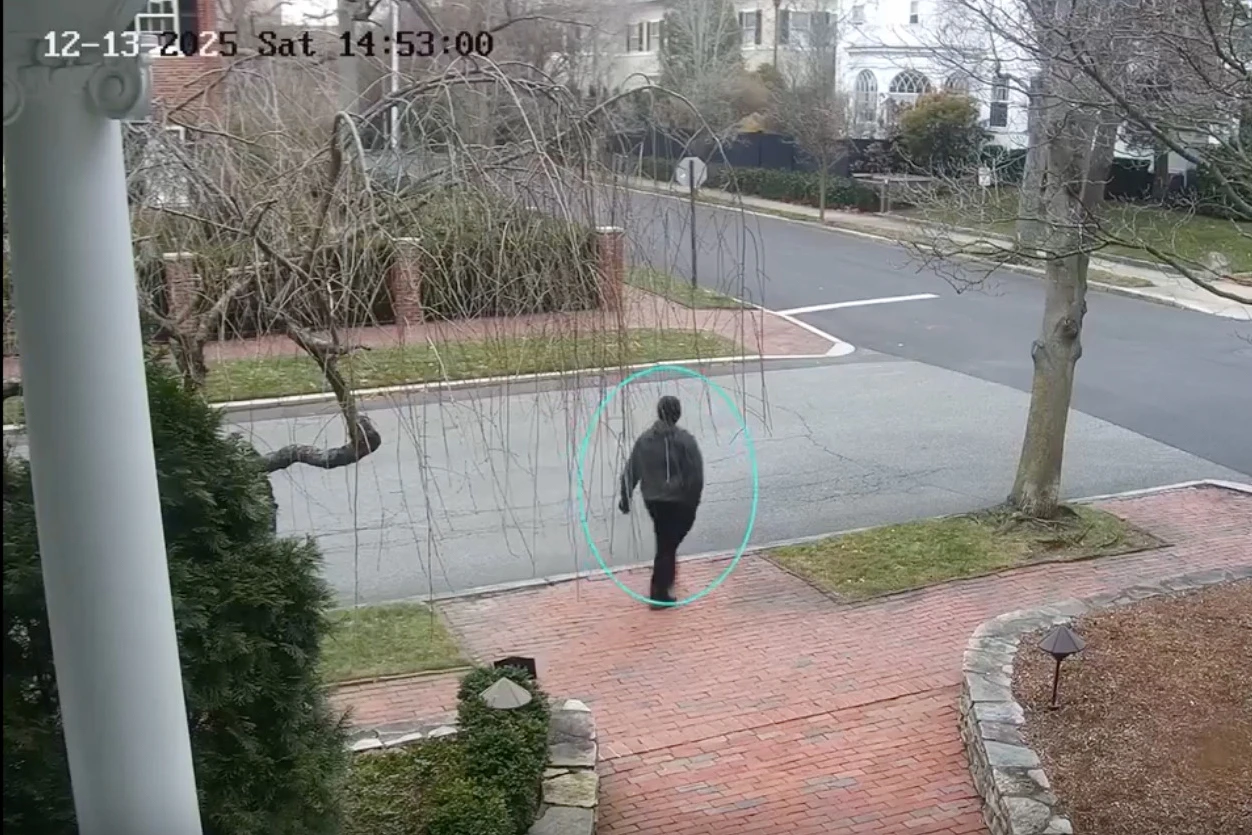
In a controversial move, President Donald Trump has suspended the green card lottery program that has been in place to provide residency options for individuals from countries with low representation in the U.S. This decision follows the recent tragic shootings at Brown University, allegedly perpetrated by Claudio Neves Valente, a Portuguese national who had obtained lawful permanent residence through the lottery program in 2017.
Homeland Security Secretary Kristi Noem announced the decision on social media, declaring that such an individual should never have been allowed in our country. Neves Valente was found dead from a self-inflicted gunshot wound after the shootings which left two students dead and several injured.
The green card lottery allows up to 50,000 visas to be issued annually through a random draw, aimed at increasing diversity among immigrants. Critics of the program have long argued that it can bypass more stringent vetting processes.
Currently, nearly 20 million people had applied for the 2025 visa lottery, yet only about 131,000 individuals were selected, including their spouses. However, only 38 spots were awarded to Portuguese citizens.
This suspension is likely to prompt legal challenges considering the program's enshrinement in law. Trump's administration has a history of attempting to limit immigration pathways, a trend that gained momentum after various tragedies were linked to immigration policy.
In the broader context, Trump continues to push against legal immigration avenues, indicating an aggressive stance reflected in recent Supreme Court considerations regarding birthright citizenship.