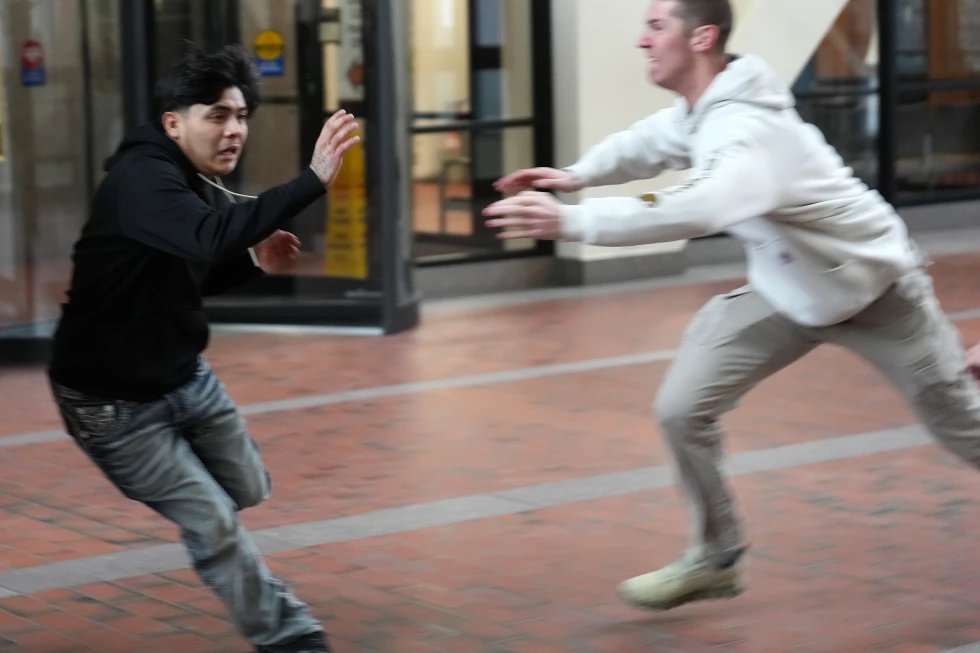
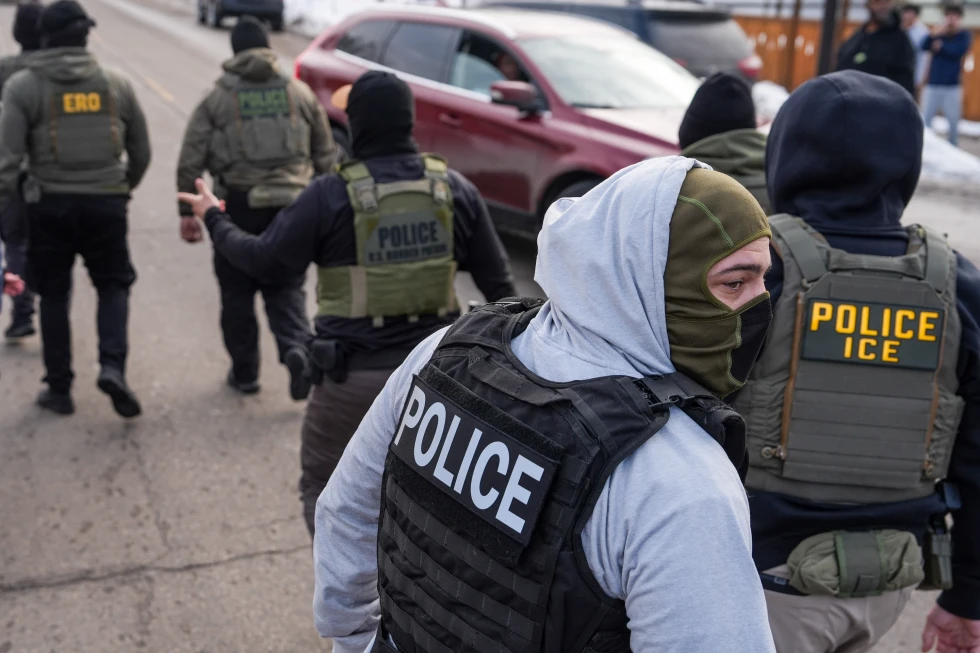
WASHINGTON (AP) — The heads of the agencies overseeing President Trump's immigration enforcement strategy are set to testify before Congress, addressing concerns over their tactics in American cities. This scrutiny follows the recent deaths of protestors in Minneapolis during confrontations with Homeland Security officers, which have intensified criticism of the administration's policies.
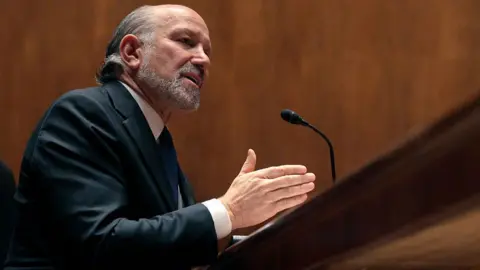
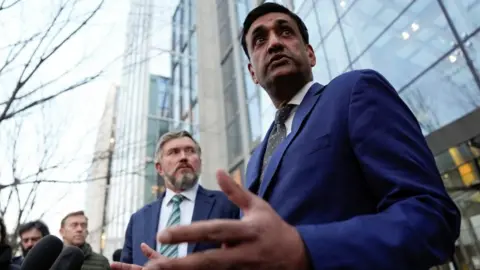
Key figures such as Todd Lyons, acting director of U.S. Immigration and Customs Enforcement (ICE), Rodney Scott, head of Customs and Border Protection (CBP), and Joseph Edlow from U.S. Citizenship and Immigration Services (USCIS) will appear before the House Committee on Homeland Security on Tuesday.
These officials face Congress during a time of dwindling public support for their enforcement practices, coupled with financial backing from a spending bill passed last year that has expanded their operational capabilities across the country. Critics point to a series of policies that they argue violate the rights of immigrants being arrested, as well as the rights of American citizens protesting these enforcement actions.
The administration defends its operations, alleging that activists and protesters are the ones instigating violence and that their enforcement efforts contribute to national safety by targeting individuals who have committed crimes or pose a risk.
Under Lyons, ICE has seen a considerable hiring boost funded by Congress, leading to enhanced enforcement initiatives that prioritize arrests and deportations across urban centers. However, the agency's actions have sparked significant controversy as it shifts focus from border control to enforcement within the interior of the country.
Lyons is likely to face questions regarding a memo he issued last year which permits ICE officers to forcibly enter homes to conduct arrests without a judge's warrant, a major deviation from previous practices. This has raised concerns about Fourth Amendment rights against unlawful search and seizure.
Scott’s CBP has also faced heightened scrutiny for its aggressive tactics in arresting and deporting undocumented immigrants. The spotlight on their operations has sparked fears regarding racial targeting and the violation of civil liberties.
Recent violent incidents, such as the shooting deaths of Alex Pretti and Renee Good during a protest in Minneapolis, have underscored the contentious relationship between law enforcement and civil rights activists. Following these shootings, there has been an operational shakeup within the agency as accountability measures come under fire.
The USCIS has received criticism for its additional vetting of admitted refugees and for pausing decisions on asylum applications, drawing ire from immigration advocates.