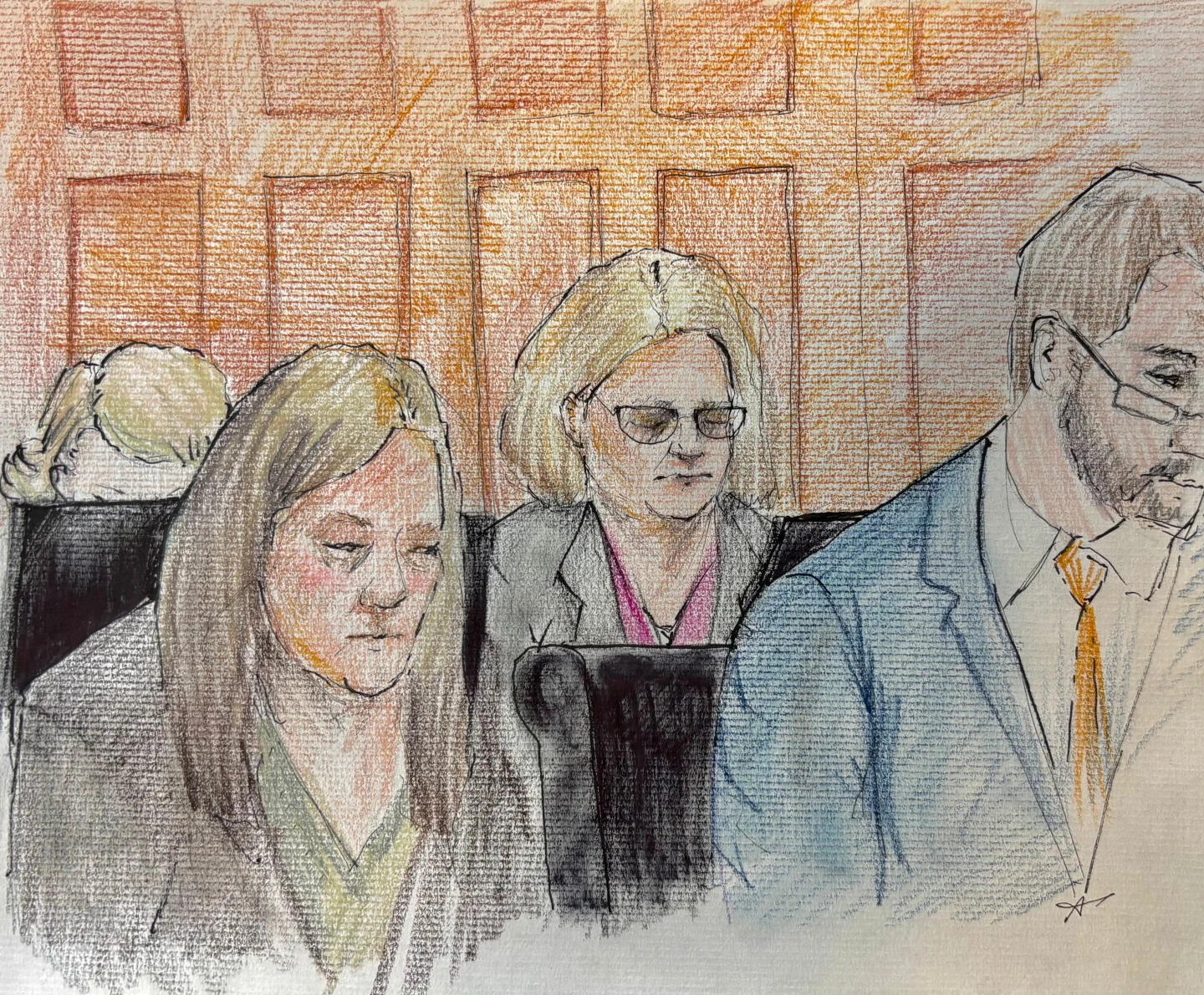
MILWAUKEE — In a landmark case that has drawn national attention, Milwaukee County Circuit Judge Hannah Dugan finds herself facing serious charges of obstruction and concealment in a trial that has ignited fierce debate over the intersection of judicial authority and immigration enforcement.
On Tuesday, the prosecution sought to illustrate Dugan's purported attempts to undermine federal law enforcement actions, suggesting that her behavior directly jeopardized their work. Dugan is accused of facilitating the escape of Eduardo Flores-Ruiz, who was set to be arrested by federal agents waiting outside her courtroom on charges related to state battery.
Witnesses, including an FBI agent, testified about a tense encounter in the courthouse where Dugan allegedly directed federal officers towards the chief judge's chambers while simultaneously escorting Flores-Ruiz out through a private exit.
The unusual circumstances surrounding this case signal a broader conversation on immigration policies and judicial independence, especially following the Trump administration's emphasis on stricter immigration enforcement. Supporters of Dugan argue that her case serves as a political statement against judicial dissent regarding immigration laws.
Dugan's defense team contends that her actions were consistent with existing courthouse procedures designed to address immigration inquiries by law enforcement. They argue that the agents could have made the arrest at any point prior to Flores-Ruiz's exit from the courthouse.
As the trial continues, legal experts observe that the outcome could set significant precedents concerning the limits of judges' authority and the role of local courts in matters of federal immigration law. The stakes are high, with a potential sentence of up to five years for obstruction if Dugan is convicted, although actual sentencing can vary greatly based on judicial discretion.
The trial is expected to provide insight into the complex relationship between state judiciary systems and federal immigration enforcement, reminding observers of the delicate balance required within the American legal framework.