In brief
During his visit to Minnesota, Treasury Secretary Scott Bessent announced investigations into financial transactions involving Somali businesses as part of efforts to combat fraud. The initiative follows an ICE-related shooting that has sparked protests and heightened scrutiny of immigration policies. Bessent highlighted that the Treasury will intensify investigations into money services businesses and enforce stricter reporting requirements to prevent fraudulent activities related to child nutrition programs. The announcement has drawn criticism regarding increased financial surveillance.
WASHINGTON (AP) — The Treasury Department is taking a closer look at financial transactions between Minnesotan residents and businesses and Somalia as the federal government ramps up its immigration crackdown in the state, Treasury Secretary Scott Bessent told reporters on Friday during a visit to the state.
Bessent said his agency has launched a series of actions to combat fraud in the state and has started investigations into four businesses that facilitate money transfers to family members abroad. Although these businesses were not named, the scrutiny is expected to intensify.
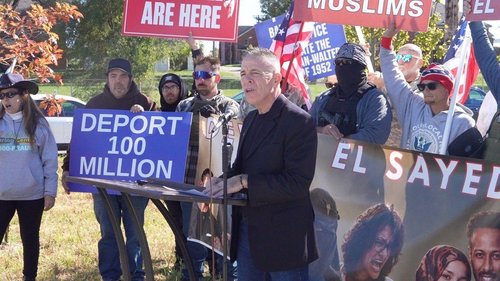
This visit coincides with protests in Minneapolis following the fatal shooting of a woman by an Immigration and Customs Enforcement officer, prompting clashes between federal and local officials. The incident has deepened the rift between the community and authorities.
President Donald Trump has previously targeted the Somali diaspora with strict immigration enforcement, stating that his administration will uncover more fraud related to financial dealings. The Treasury’s prior announcement indicated a focused effort on money service businesses involved in remittances to Somalia.
These actions were driven by a series of fraud cases, including significant allegations against a nonprofit organization called Feeding Our Future, which is accused of misappropriating $300 million intended for pandemic aid to school lunch programs.
Before ending his own bid for re-election, Governor Tim Walz emphasized that fraud will not be tolerated, pledging to collaborate with federal partners to ensure accountability. Meanwhile, criticism has mounted against his administration for failing to prevent earlier instances of fraud.
The founder of Feeding Our Future, Aimee Bock, has faced multiple counts of conspiracy and fraud, maintaining her innocence despite conviction in March.
In response to rising concerns, Bessent has met with various financial institutions, urging them to enhance measures against fraud. Key actions include expanding investigations by the Financial Crimes Enforcement Network and imposing stricter reporting requirements on international transfers from Hennepin and Ramsey counties.
Bessent noted that the Treasury will utilize every tool at its disposal to eradicate such unchecked fraud. However, his announcement received backlash, with critics expressing concern over an increase in financial surveillance of citizens.
Some Somali leaders reported anecdotal evidence of community members detained by federal agents, fueling apprehensions within the community. Nonetheless, local authorities, including Walz and Mayor Jacob Frey, have vowed to protect vulnerable populations.
During a speech addressing the Trump administration’s economic agenda, Bessent reiterated the department's commitment to recovering stolen funds and preventing similar fraud cases, emphasizing a state-by-state approach to tackling these issues.