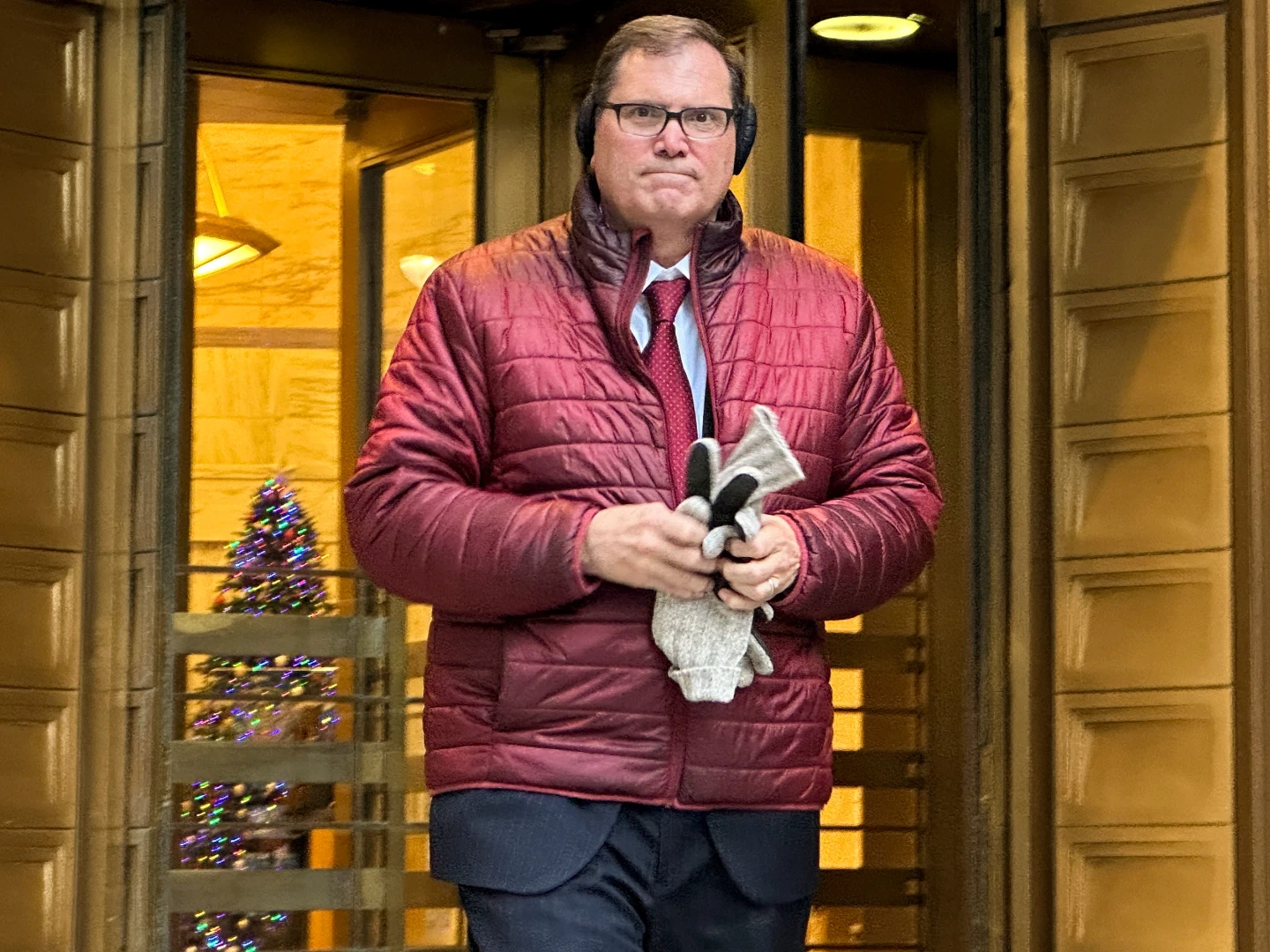
ALBANY, N.Y. — A judge has disqualified federal prosecutor John Sarcone from overseeing investigations into New York Attorney General Letitia James, ruling that his efforts to issue subpoenas were unlawful. U.S. District Judge Lorna G. Schofield issued this decision, effectively blocking Sarcone's involvement in ongoing inquiries.
Judge Schofield stated that the Department of Justice failed to follow the necessary statutory protocols after judges refused to extend Sarcone’s tenure. In her ruling, she emphasized, When the Executive branch of government skirts restraints put in place by Congress and then uses that power to subject political adversaries to criminal investigations, it acts without lawful authority. Subpoenas issued under that authority are invalid. The subpoenas are quashed, and Mr. Sarcone is disqualified from further participation in the underlying investigations.”
Sarcone's actions had come under scrutiny after he requested subpoenas related to lawsuits that AG James filed against President Donald Trump, along with actions against the National Rifle Association and former leaders of the organization. James challenged the legitimacy of Sarcone's authority, asserting that the inquiry into her lawsuits was a part of politically motivated attacks against Trump’s perceived enemies.
In a statement following the ruling, James' office heralded the decision as an “important win for the rule of law,” reaffirming their commitment to defending their office amidst what they deemed baseless investigations.
Further complicating the case, Judge Schofield found that the Justice Department had executed a workaround to keep Sarcone in the acting role after his official term lapsed — a legal maneuver prohibited under federal law. She pointed out that federal regulations require proper appointments rather than adjustments made through personnel shifts.
The ruling is part of a broader pattern of legal challenges arising from unusual appointments during the Trump administration. Other recent court decisions have similarly questioned the validity of interim appointments made by the administration.
James' legal team argued that Sarcone's presence in the investigation compromised its integrity and sought his disqualification based on his lack of authority. The ruling adds to ongoing discussions about the legality of executive appointments and their impacts on legal processes related to politically charged cases.