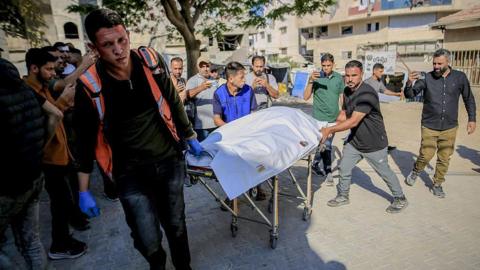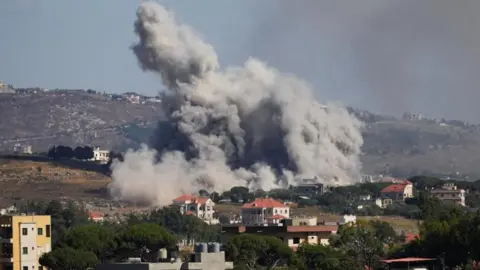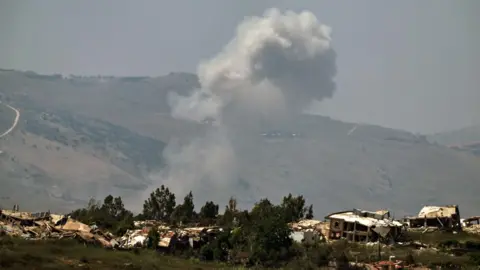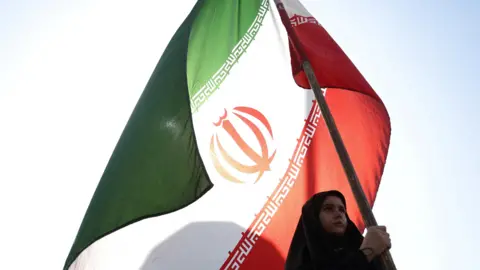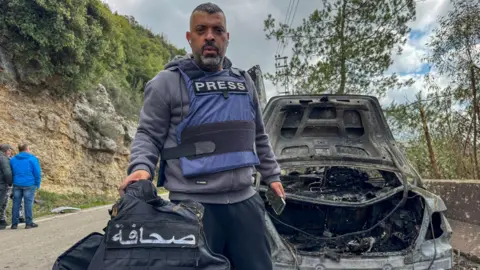
In a shocking incident that highlights the dangers faced by journalists in conflict zones, three Lebanese reporters were killed in an Israeli airstrike in southern Lebanon on Saturday. The attack occurred just before noon local time, targeting the journalists' vehicle in Jezzine.
The deceased were identified as Ali Shoeib, a reporter for Al Manar TV affiliated with Hezbollah, and Fatima and Mohamed Ftouni from the news channel Al Mayadeen. According to reports from their employing stations, the airstrike specifically targeted their vehicle, leading to fatal consequences.
The Israel Defense Forces (IDF) confirmed the strike, claiming it had targeted Shoeib, whom they labeled a terrorist linked to Hezbollah's Radwan Force, alleging he had used his journalistic role to gather intelligence on IDF positions in southern Lebanon. The IDF did not release any statements regarding the deaths of the other two journalists.
Lebanese President Joseph Aoun condemned the strike, describing it as a brazen crime that breached international law, emphasizing that journalists are civilians performing essential duties. Prime Minister Nawaf Salam also condemned the attack, stating it constituted a clear violation of rules protecting journalists in wartime.
This strike marks the second incident in which journalists have been targeted since the outbreak of hostilities a month ago. On March 18, another Israeli strike killed Al Manar presenter Mohammad Sherri and his wife in Beirut.
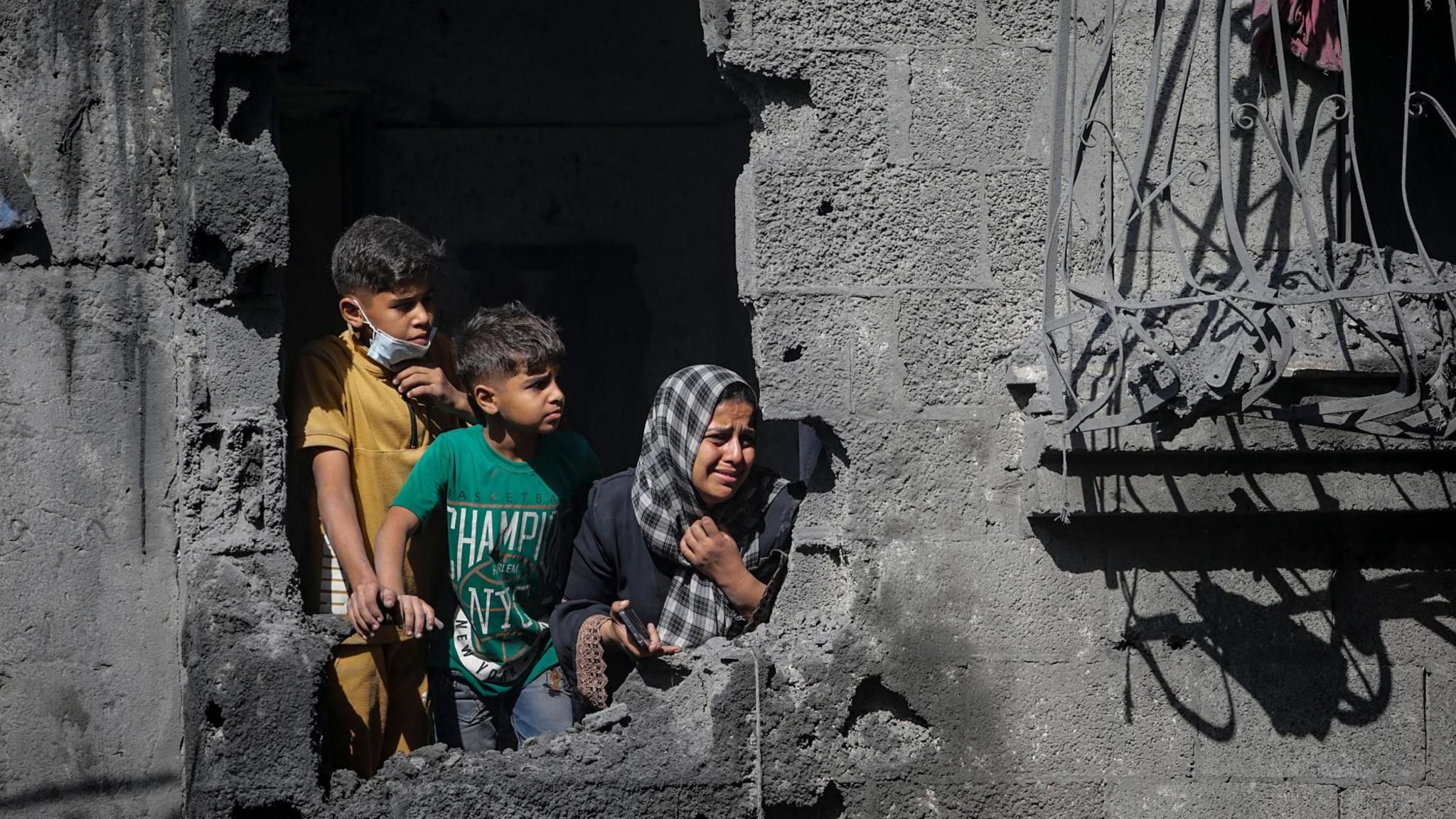
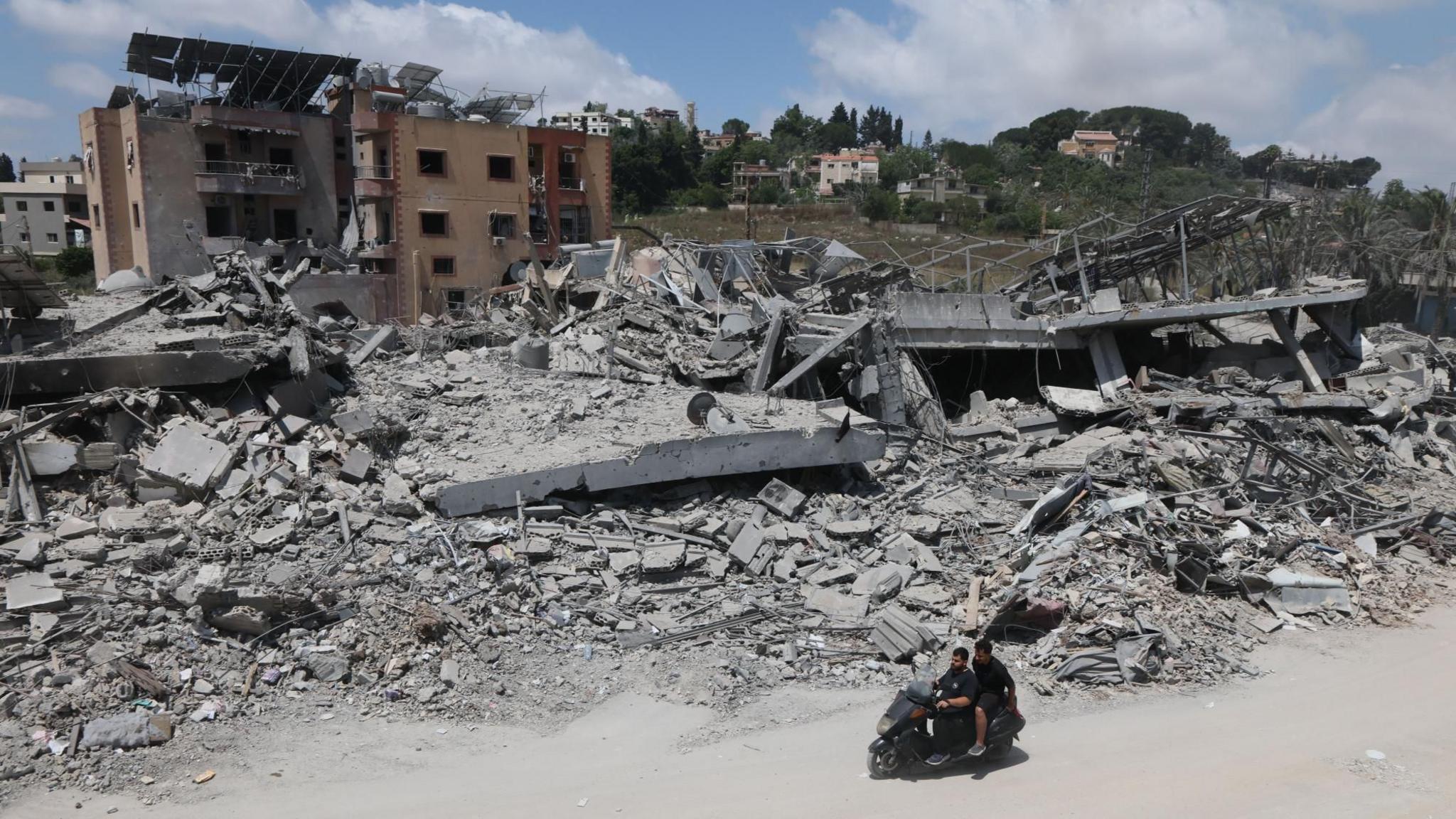
The ongoing conflict has had severe humanitarian implications, with more than 1,100 civilians reported killed, including numerous children, and over a million people displaced in Lebanon, exacerbating existing crises.
Concerns are growing in Lebanon that Israel is employing tactics similar to those used in Gaza, including the deliberate targeting of civilians and media personnel, allegations that Israel has denied. The international community continues to observe the escalating violence with alarm, seeking a pathway to de-escalation and peace.