TikTok has shut down 20 accounts following a BBC investigation highlighting the misuse of AI-generated black female influencers aimed at directing users to sites featuring sexually explicit content.
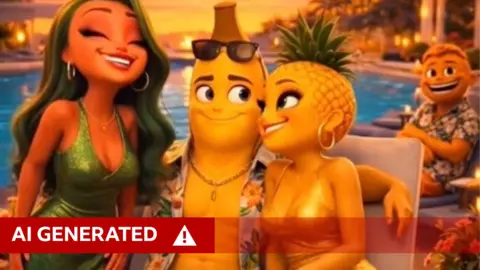
This practice, criticized for perpetuating racial stereotypes and using misleading language, forms part of a wider trend involving such accounts on social media platforms like Instagram. Research from the independent AI publication Riddance identified numerous accounts deploying digital avatars of black women that are heavily sexualized, with the images often generated by AI yet not labeled as such, which is against platform guidelines.
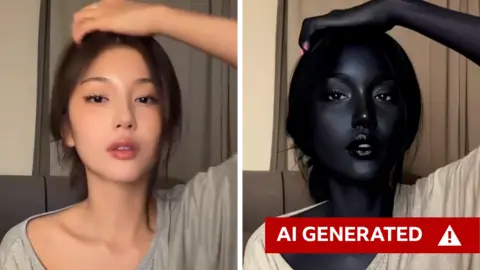
These accounts typically showcase avatars dressed in revealing outfits and altered to have exaggerated features, including exceptionally dark skin tones. Many account names use descriptors like black, noir, and ebony, with some posts containing phrases intended to appeal to racial fantasies.
In collaboration with Riddance, the BBC uncovered about 60 accounts—most on Instagram—that linked to paid sexual content, although the AI-generated nature of these representations wasn't noted on the accounts themselves. Following the BBC's inquiry, TikTok declared it had removed the offending accounts and content.
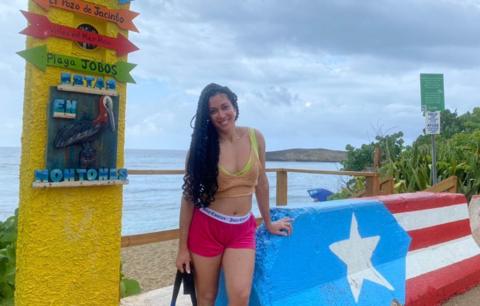
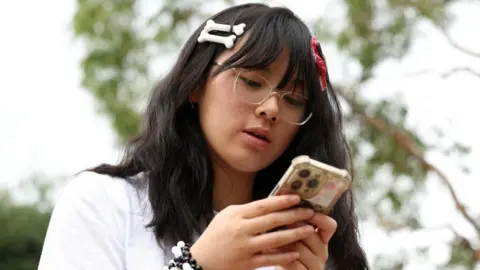
One particular account highlighted in the report caused additional outrage by appropriating videos from a real content creator, Riya Ulan, without permission, utilizing her likeness in conjunction with an AI-generated character. Ulan expressed her anger over the matter, saying, It doesn’t mean that you can just take it and steal it and post it as your own.
Experts warn that such use of AI infringes on genuine expressions of identity and perpetuates harmful stereotypes, aggravating issues of racial exploitation in digital platforms. TikTok confirmed its vigilant measures against content that violates its rules, insisting it has a zero-tolerance policy for the promotion of off-platform sexual services.
This practice, criticized for perpetuating racial stereotypes and using misleading language, forms part of a wider trend involving such accounts on social media platforms like Instagram. Research from the independent AI publication Riddance identified numerous accounts deploying digital avatars of black women that are heavily sexualized, with the images often generated by AI yet not labeled as such, which is against platform guidelines.
These accounts typically showcase avatars dressed in revealing outfits and altered to have exaggerated features, including exceptionally dark skin tones. Many account names use descriptors like black, noir, and ebony, with some posts containing phrases intended to appeal to racial fantasies.
In collaboration with Riddance, the BBC uncovered about 60 accounts—most on Instagram—that linked to paid sexual content, although the AI-generated nature of these representations wasn't noted on the accounts themselves. Following the BBC's inquiry, TikTok declared it had removed the offending accounts and content.
One particular account highlighted in the report caused additional outrage by appropriating videos from a real content creator, Riya Ulan, without permission, utilizing her likeness in conjunction with an AI-generated character. Ulan expressed her anger over the matter, saying, It doesn’t mean that you can just take it and steal it and post it as your own.
Experts warn that such use of AI infringes on genuine expressions of identity and perpetuates harmful stereotypes, aggravating issues of racial exploitation in digital platforms. TikTok confirmed its vigilant measures against content that violates its rules, insisting it has a zero-tolerance policy for the promotion of off-platform sexual services.