The Alarming Civilian Toll in Iran's Ongoing War
As US and Israeli airstrikes pummel Iranian cities, the true costs of the conflict are becoming painfully clear. Among the innocent lives lost are Parastesh Dahaghin, a young pharmacist, and Berivan Molani, a 26-year-old lifestyle blogger. Their stories are among many that illustrate the human cost of war.
Parastesh was working in her pharmacy in Tehran when an explosion claimed her life, while Berivan returned from the safety of northern Iran only to be struck by debris from an airstrike in her home.
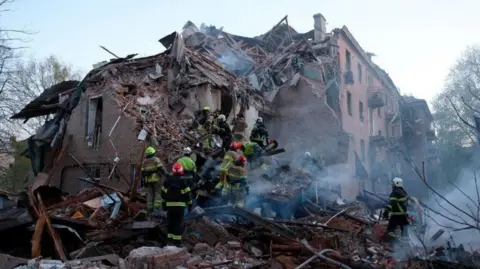
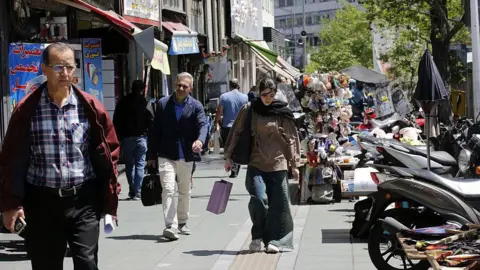
The Iranian city of Tehran has endured over three weeks of relentless bombardment, with thousands of targets hit and civilian casualties mounting rapidly. The toll, which includes children like 3-year-old Eilmah Bilki, reflects a grim reality—more than 1,400 civilian deaths have been recorded, with 15% of the fatalities being children.
The impact of these airstrikes extends beyond immediate casualties; they have disrupted vital civilian infrastructure and strained healthcare services. Healthcare facilities have come under fire, with the World Health Organization confirming multiple attacks, resulting in injuries and deaths among medical personnel.
Amid the chaos, a humanitarian workers' pleas underline the necessity of protecting civilians and adhering to international humanitarian laws that mandate the safeguarding of non-combatants and civilian facilities during conflicts.
The heartbreaking circumstances surrounding the deaths of Parastesh and Berivan reflect a wider narrative of loss and resilience in the face of war, as families mourn and communities strive to cope with the ongoing crisis. The civilian cost of conflict in Iran continues to rise, with many more stories remaining untold.