AUSTIN, Texas (AP) – The recent acquittal of Officer Adrian Gonzales in a high-profile trial regarding his response during the Robb Elementary School mass shooting has created ripples of controversy in the realm of police accountability. Gonzales, who faced charges of child abandonment or endangerment, was found not guilty after jurors deliberated for seven hours.
With Gonzales absolved, attention now turns to former Uvalde schools police chief Pete Arredondo, the only other officer charged in connection with the tragedy that left 19 fourth-graders and two teachers dead on May 24, 2022. The district attorney, Christina Mitchell, has yet to comment on strategies for prosecuting Arredondo, whose trial is expected to draw significant scrutiny.
Legal analysts suggest that prosecutors may alter their approach in light of Gonzales’ acquittal. The complexities of Arredondo's case stand in stark contrast to Gonzales', as he was accused of failing to enforce an active shooter response plan and overseeing a catastrophic delay in entering the deadly classroom.
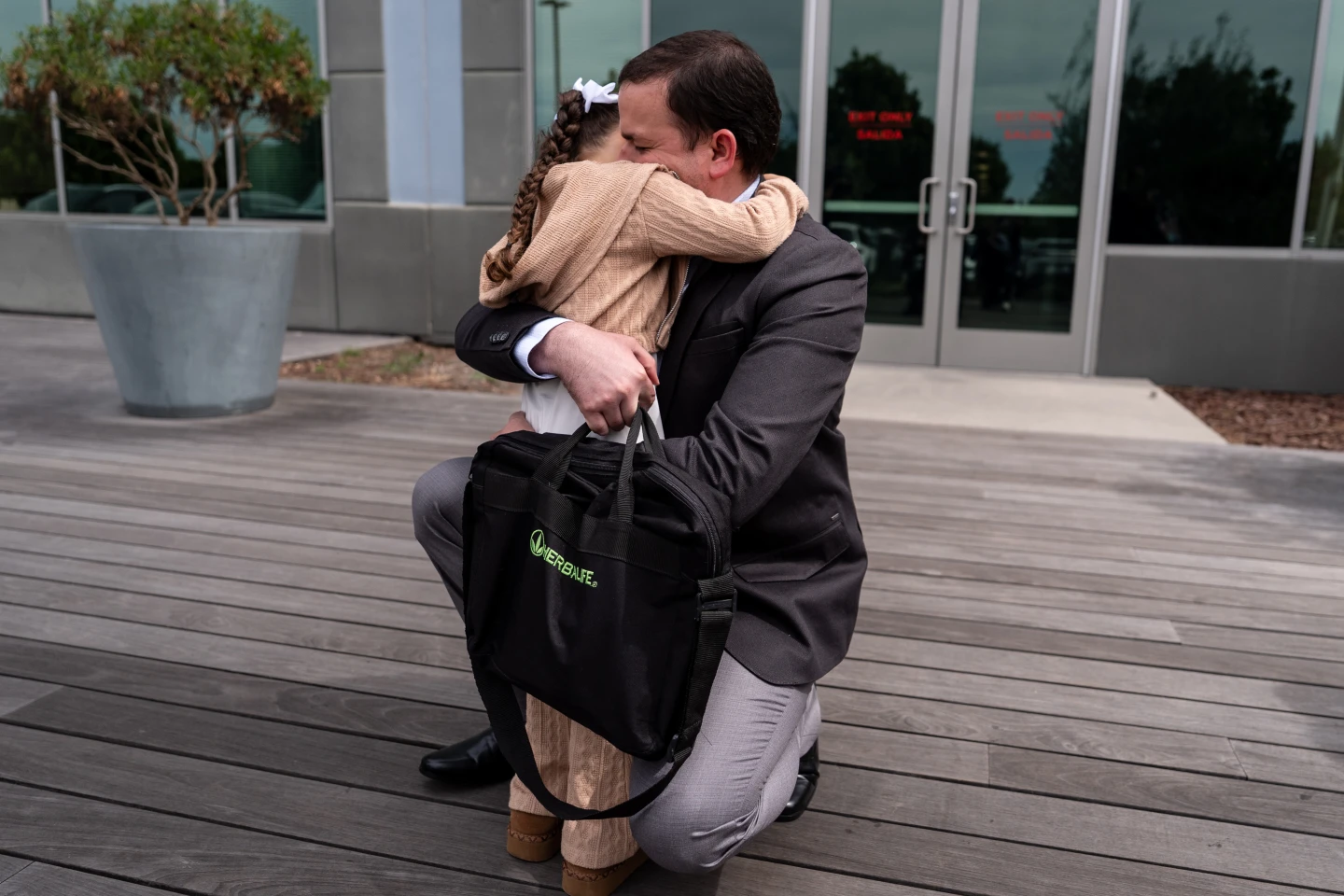
This acquittal has heightened the frustration among victims’ families, many of whom demand accountability from the nearly 400 officers that responded to the chaotic scene on that tragic day. Javier Cazares, father of victim Jackie Cazares, expressed his dismay, stating, “Again, we are failed. I don’t even know what to say.”
As trials proceed, a central concern remains: the precedent it sets for law enforcement officers in crisis situations. Advocates worry that such rulings may dissuade emergency responders from engaging decisively during active threats, apprehensive of legal repercussions.
The response to the Uvalde shooting continues to evoke intense debate about police procedures and accountability in the wake of mass shootings across the United States. As the legal implications unfold, both families of victims and the broader community remain vigilant in seeking justice and preventing future tragedies.