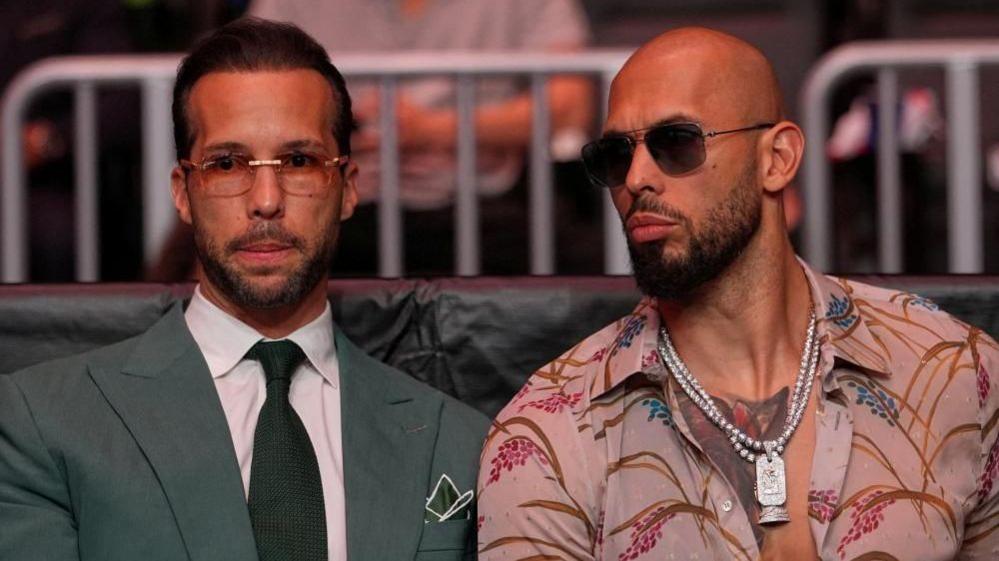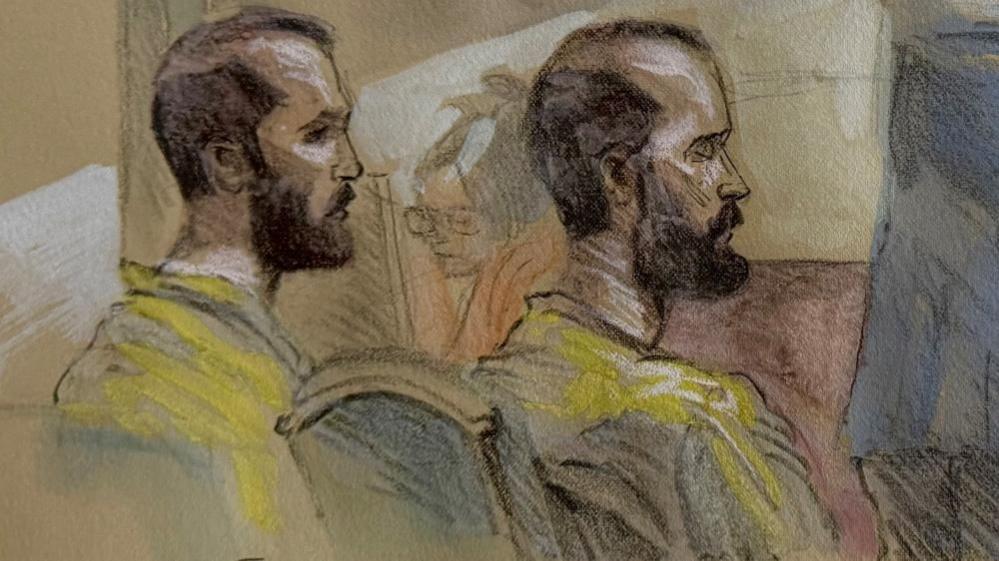
The brothers Andrew and Tristan Tate, each 39 and 38 respectively, have appeared before Florida Magistrate Judge Lauren Louis demanding release on bail. They argue that the conditions of their U.S. detention—tight cells, intense heat, lack of sunlight and limited exercise—are impairing their ability to prepare and present a defence against extradition to the United Kingdom.
In court, both men wore standard tan jail uniforms and lifted their arms to show that they are shackled. Andrew proclaimed, “I have never committed the crimes I’m accused of,” while Tristan described the jail as “death by scurvy,” noting he had lost 14 lb in the confinement.
The U.S. government lawyers highlighted that the Tates are dual citizens and possess multiple passports, a fact they claim makes them high‑risk flight candidates. U.S. attorneys further observed that these men have the financial means and global reach to facilitate escape.
Conversely, the brothers’ defence team stressed that their public profile and the weight of support from online followers would make any attempt to flee virtually impossible. They referenced Andrew’s former kick‑boxing career and his continuous engagement with the media, arguing that a move abroad would attract immediate investigation.
A key element of the court’s deliberation was the British Crown Prosecution Service’s filing of 59 criminal charges, ranging from rape to child‑sexual‑trafficking. These counts were built over a series of UK criminal investigations and were followed by a separate Russian case in 2022 that included sex‑trafficking allegations and an ongoing travel ban.
The court’s hearing also delved into the brothers’ personal lives as evidence of their alleged innocence. Natasha Sesay, formerly of England, testified that she had been in a five‑year relationship with Andrew Tate, had a child with him and was expecting another. She affirmed that he was “never violent toward women.”
Despite these personal interjections, the U.K. prosecutors still argued that the men are a flight risk and that the extradition process was within a tight deadline, “we have until 16 September to submit a full request.” The U.S. judge will issue a written ruling on bail at a later date.
The case has drawn international whispers, as the White House confirmed that former President Donald Trump would not intervene in the extradition process, further underscoring the legal gravity of the matter.