In brief
Tata Sons and its chief shareholder Tata Trusts are embroiled in a high‑stakes dispute over a potential public listing and the reappointment of Chairman N Chandrasekaran. Noel Tata’s opposition stems from a belief that a float would erode the group’s philanthropic ethos. The conflict follows the death of legendary chairperson Ratan Tata and has sparked debate about the conglomerate’s governance and future direction.
Before dawn breaks over Mumbai, Mansi Kadam in a small Vada pav stall throws in a pinch of Tata salt and says, “If it’s salt, it has to be Tata.” Her loyalty to the brand is a reminder of how deeply the Tata name is woven into everyday life in the city, and, as it turns out, in the boards of one of India’s oldest conglomerates.
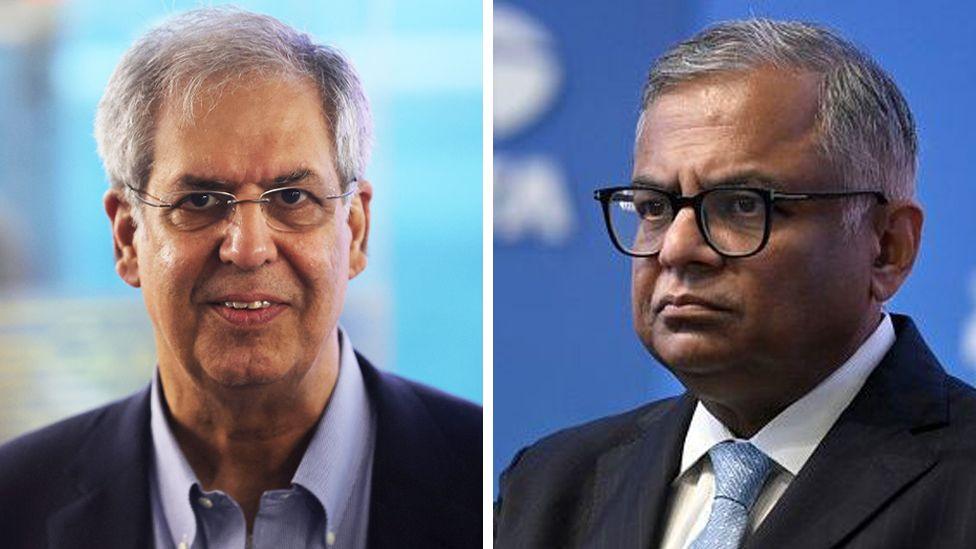
At the centre of a fresh battleground are two issues that could reshape the Tata Group’s future. The first is a proposed public listing of Tata Sons, the holding company of the group. The second is the re‑appointment of its chairman, N Chandrasekaran.
While the majority of Tata Sons’ board, including the influential SP Group, backs both moves, Noel Tata—chairman of the majority‑owning Tata Trusts—has publicly opposed them. He argues that a float would dilute the group’s philanthropic ethos and could be overturned at the next annual general meeting.
“When we talk about a governance crisis, it’s a misalignment of interests between the Tata Sons board and its shareholders, the Tata Trusts,” says Shriram Subramanian of InGovern Research. He adds that the brand itself may not suffer immediate damage, but the leadership’s ability to navigate future challenges could be compromised.
The dispute has escalated since the death of Ratan Tata in 2024, the patriarch whose philanthropy and leadership had become almost inseparable from the Tata name. Ratan’s demise left a leadership void that the group has struggled to fill, leaving the public to question whether Noel Tata can consolidate power as he had for his succeeding brother.
The Tata Group, founded in 1868 and now worth over $260 bn, has long been a benchmark for governance and social impact in India. Its history is littered with controversies—from the 2016 removal of Cyrus Mistry to disputes over telecom spectrum, automotive acquisitions, and even the performance of Air India. Yet it has survived because it has consistently showcased a high level of corporate responsibility and community care.
Recently, however, the conflict has spilled into the public domain. Tata Sons and Tata Trusts have exchanged legal notices, accusations of governance lapses have surfaced, and even a proposal from Noel Tata to buy back SP Group’s minority stake in Mufti & might redesign the company’s structure to avoid a float.
Experts say the dispute risks eroding the public’s trust. “The Tatas once represented an undisputed story of good governance. Today, the narrative appears fragmented,” notes business‑and‑brand strategist Harish Bijoor. He calls for a “white paper” that would lay out what the conflict means for the brand’s future and whether the group can regain its status as a transparent and community‑focused conglomerate.
How the group resolves this internal friction will be watched closely by corporate India, where the Tata brand remains one of the few that authorities and consumers still whisper about with unshakable confidence.