In brief
Fast‑food chain Taco Bell has withdrawn lettuce from its menus in parts of the United States amid a rising wave of cyclosporiasis infections traced to contaminated produce. The Centers for Disease Control reports 1,645 cases linked to the fast‑food chain, including 94 hospitalisations. No deaths have been recorded. The U‑S Food and Drug Administration urges customers to avoid iceberg lettuce that may originate in Mexico, noting supplies from Taylor Farms have been removed. The outbreak, first spotted in mid‑May, highlights the growing risks of parasite‑contaminated foods and cuts in federal testing capacity.
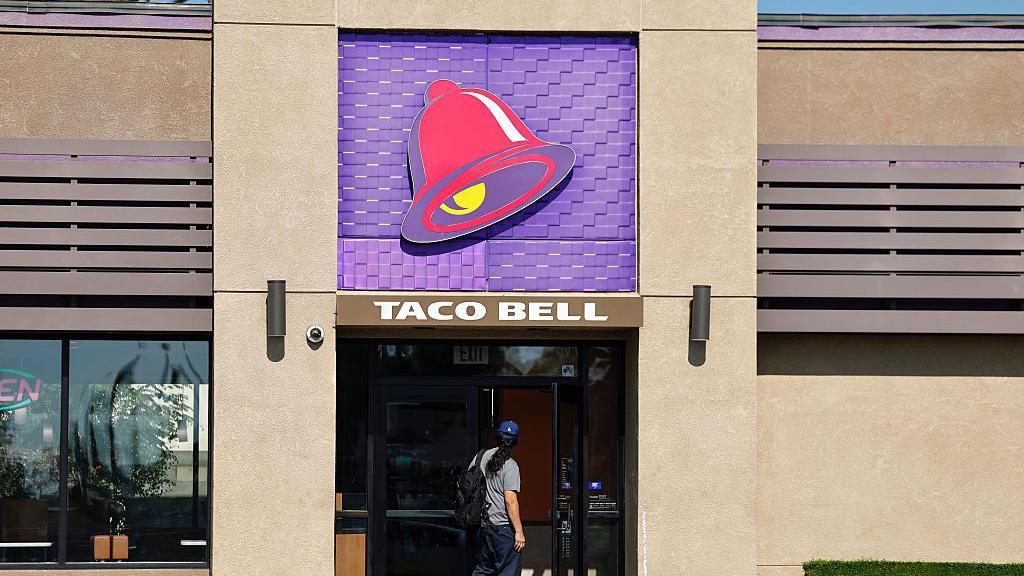
Fast‑food giant Taco Bell has pulled lettuce from its menus in several U‑S states after the Centers for Disease Control linked the brand to a wave of cyclosporiasis infections, a parasitic disease that can cause explosive diarrhoea.
NO DEATHS RPORTED, 94 HOSPITALISATIONS
CDC says 1,645 people across five states reported exposure to Taco Bell during the outbreak, with 94 requiring hospital care. Deaths have been recorded to date, but the condition has not claimed lives yet.
The U‑S Food and Drug Administration has warned consumers to avoid shredded iceberg lettuce from Mexico that may appear at Taco Bell locations in Indiana, Kentucky, Michigan, Ohio and West Virginia. While the chain has not specified which states will enforce the ban, the majority of cases have been traced to Michigan.
Taco Bell stated that supplies from one of its lettuce partners have been removed indefinitely and will be replaced. The company emphasised that the removal of lettuce is a precautionary measure and that it acts alongside health officials to protect public welfare.
Cyclosporiasis symptoms can appear about two weeks after exposure, featuring watery diarrhoea that can last for days, sudden weight loss and loss of appetite. Expert analysis suggests that identifying the source of the parasite is a complex task, especially with reduced federal health controls.
The outbreak is a reminder of the evolving challenges in food‑borne disease surveillance and the critical role of supplier accountability in fast‑food supply chains.
CDC and the FDA are continuing investigations into the source and range of contaminated lettuce.