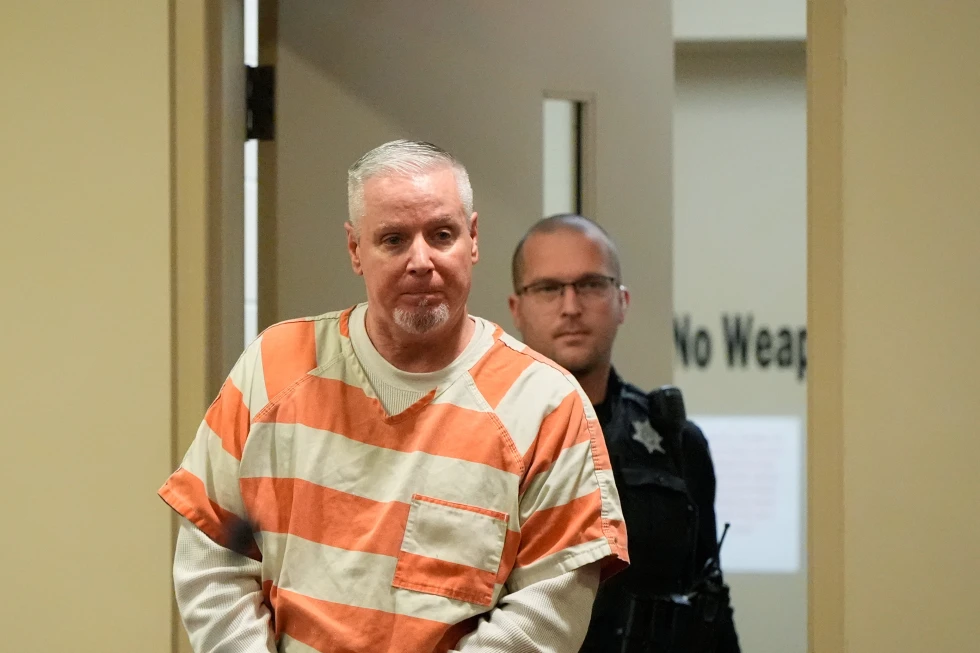
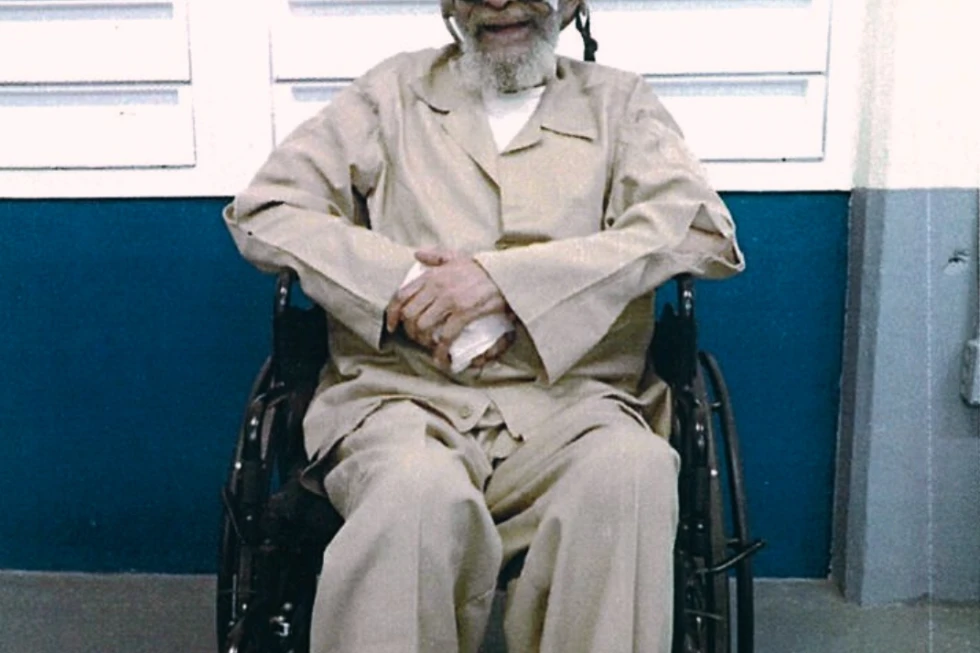
WASHINGTON (AP) — The U.S. Supreme Court is preparing to hear arguments related to the controversial case of Terry Pitchford, a Black man on death row in Mississippi, set for Tuesday. The focus of the proceedings revolves around accusations of racial discrimination in jury selection that have plagued the case for over two decades.
Former prosecutor Doug Evans, known for his history of dismissing Black jurors, was responsible for excluding most minority candidates during the trial of Pitchford, who was convicted for his role in the 2004 murder of Reuben Britt. The racial dynamics of jury selection have raised significant concerns, especially given the court's past interventions in similar situations.
Justice Brett Kavanaugh articulated the issues succinctly in 2019 while discussing the case of Curtis Flowers, whose death sentence was overturned by the Supreme Court due to evident racial bias against Black jurors. Seven current justices participated in the earlier case, indicating a consistent judicial narrative regarding racial discrimination in jury selection.
Recently, the Supreme Court has exhibited a cautious approach toward claims made by defendants in capital cases, often denying last-minute appeals to delay executions. However, Pitchford’s case has garnered attention as the court has agreed to address claims of racial discrimination that some conservative justices have previously acknowledged.
Pitford's conviction and death sentence have faced scrutiny because of the potential impropriety in juror dismissals by the prosecution, which leaned heavily on questionable justifications without adequate judicial assessment from the state trial judge, Joseph Loper.
In 2023, U.S. District Judge Michael P. Mills ruled to overturn Pitchford’s conviction, citing that his defense team was not given enough leeway to argue against the racially charged jury dismissals. However, this decision was reversed by the Fifth U.S. Circuit Court of Appeals.
Pitford’s legal representatives are advocating that if he prevails in his appeal, he should either be released or retried, highlighting the significance of reassessing jury bias claims in Mississippi's judicial system. The state's Attorney General, Lynn Fitch, has defended the previous decisions from the courts, claiming there was no improper jury composition.
The outcome of Pitchford's appeal could reverberate throughout the Mississippi justice system, especially as it brings to light the contentious history surrounding Evans and systemic issues of racial discrimination in capital cases.