In brief
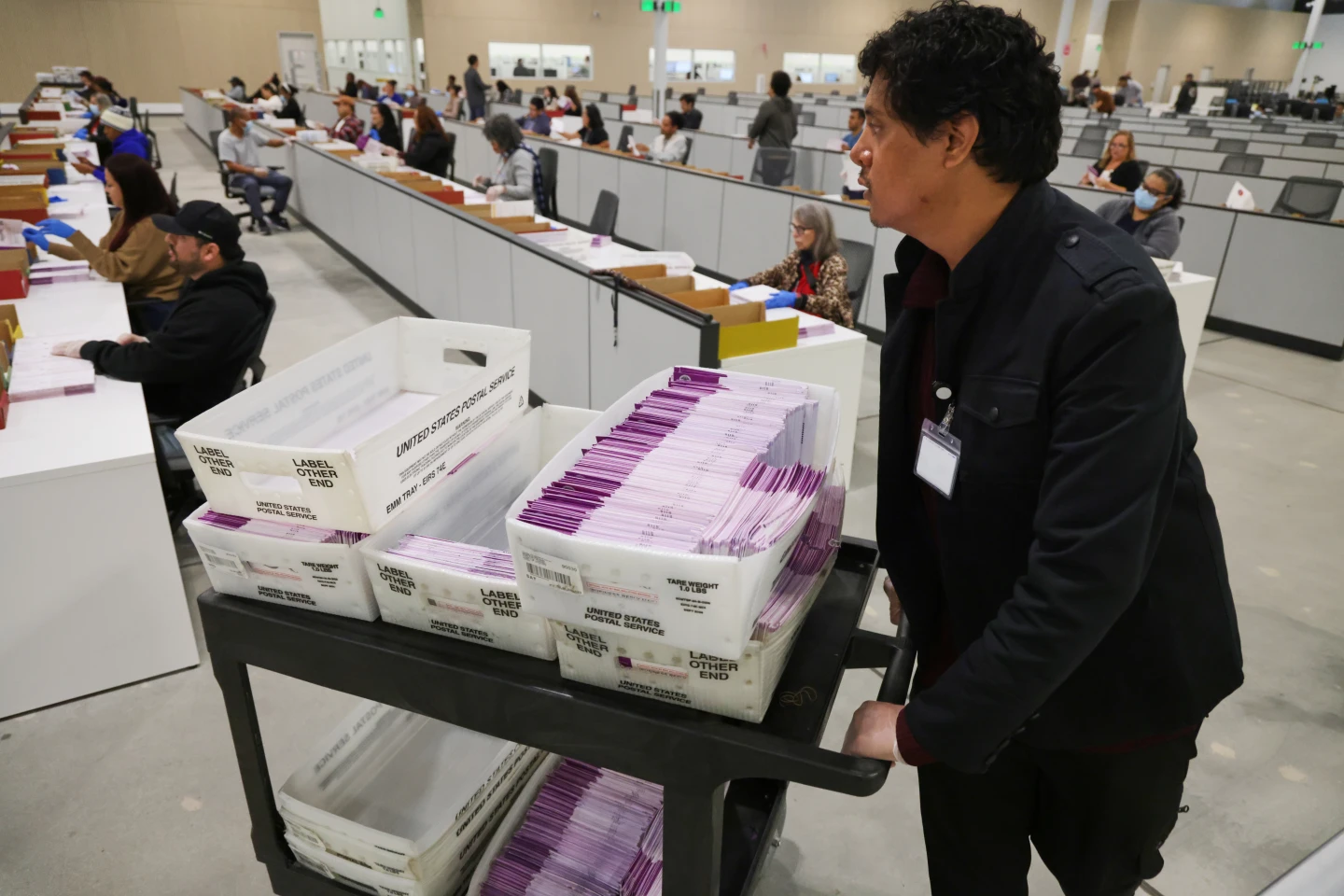
The U.S. Supreme Court is deliberating on whether states can count mail ballots that arrive past Election Day, a move that has stirred anxiety among election officials across the nation. With the potential for a ruling in June affecting November's midterm elections, states worry about the implications of sudden rule changes on voter education and election logistics. Officials in Nevada and other states are preparing to adapt, but express concern about the feasibility of informing voters amidst tight timelines.
As he exited the U.S. Supreme Court following a hearing on mail-in ballots, Nevada Secretary of State Cisco Aguilar signaled to his staff back home: Prepare for changes in the upcoming midterm elections based on the court's ruling. His focus is on how to effectively educate voters about new election rules if the court decides to alter the way mail ballots are handled.
Aguilar emphasized the challenge of quickly informing voters of any last-minute changes that would affect election procedures. Many states, including Nevada and thirteen others that allow ballots postmarked by Election Day to be counted if they arrive shortly afterward, are closely monitoring the court's deliberations. Conservative justices exhibited skepticism towards such grace periods during arguments.
The topic of mail ballots has been contentious, especially in the aftermath of the 2020 election, where former President Trump's claims about voting fraud fueled conspiracy theories. Currently, the Republican National Committee and the Libertarian Party challenge a Mississippi law allowing a five-day post-Election Day window for counting ballots.
During the court session, Justice Brett Kavanaugh raised concerns about the timing of a potential ruling, questioning whether such a decision close to an election might disturb the electoral process. Election administrators like former Arizona official Tammy Patrick echoed these worries, insisting that preparing for election logistics requires significant advance notice to ensure clear communication with voters.
Patrick pointed out that election offices across the country already print essential materials several months before elections, and any abrupt policy change from the Supreme Court would force costly and time-consuming reprints.
Only a small percentage of mail ballots arrive late, but state officials emphasize the importance of informing voters about any shifts in deadlines, especially in states like Alaska where geographical barriers pose unique challenges. Officials like Aguilar fear that altering election rules just ahead of voting could disenfranchise rural voters reliant on reliable mailing services.
As the June ruling approaches, states are bracing for a potential upheaval in election procedures, with officials like Aguilar stressing the necessity of stability to preserve voter confidence and participation.