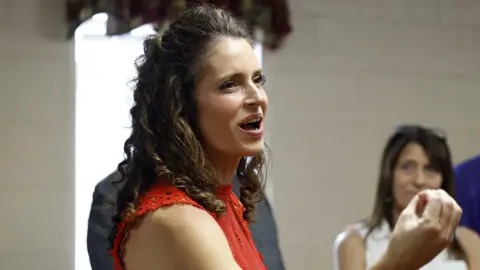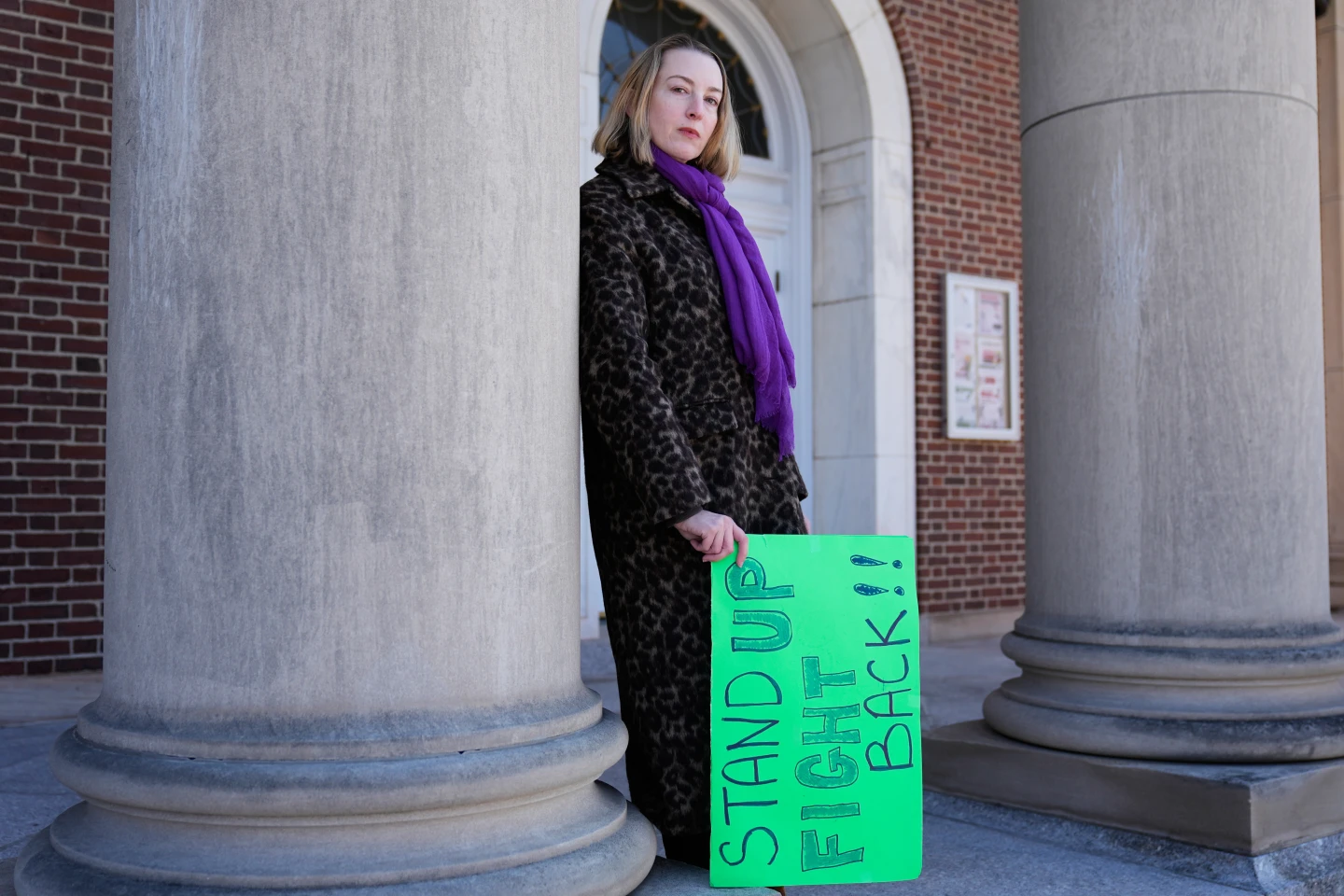
MONTCLAIR, N.J. — A few years ago, Allison Posner was barely involved in politics. Now, the 42-year-old mother from Maplewood, New Jersey, finds herself distributing food and necessities to immigrant families outside a detention center, rallying on highway overpasses, and leading protests against President Trump alongside her family.
As the political climate shifts, suburban residents across the U.S., typically characterized by moderation or conservatism, are increasingly joining the anti-Trump movement. Activists are mobilizing aggressively, and a notable increase in participation is evident as suburban voters prepare for the consequential 2024 elections.
The group Indivisible is organizing a nationwide 'No Kings' protest march expected to attract over nine million attendees, many from affluent suburbs where history once leaned toward Republican representation. This new wave of political engagement has implications for the upcoming elections and the future of the Democratic Party, pushing for candidates who challenge the status quo and connect with the urgent issues facing everyday citizens.
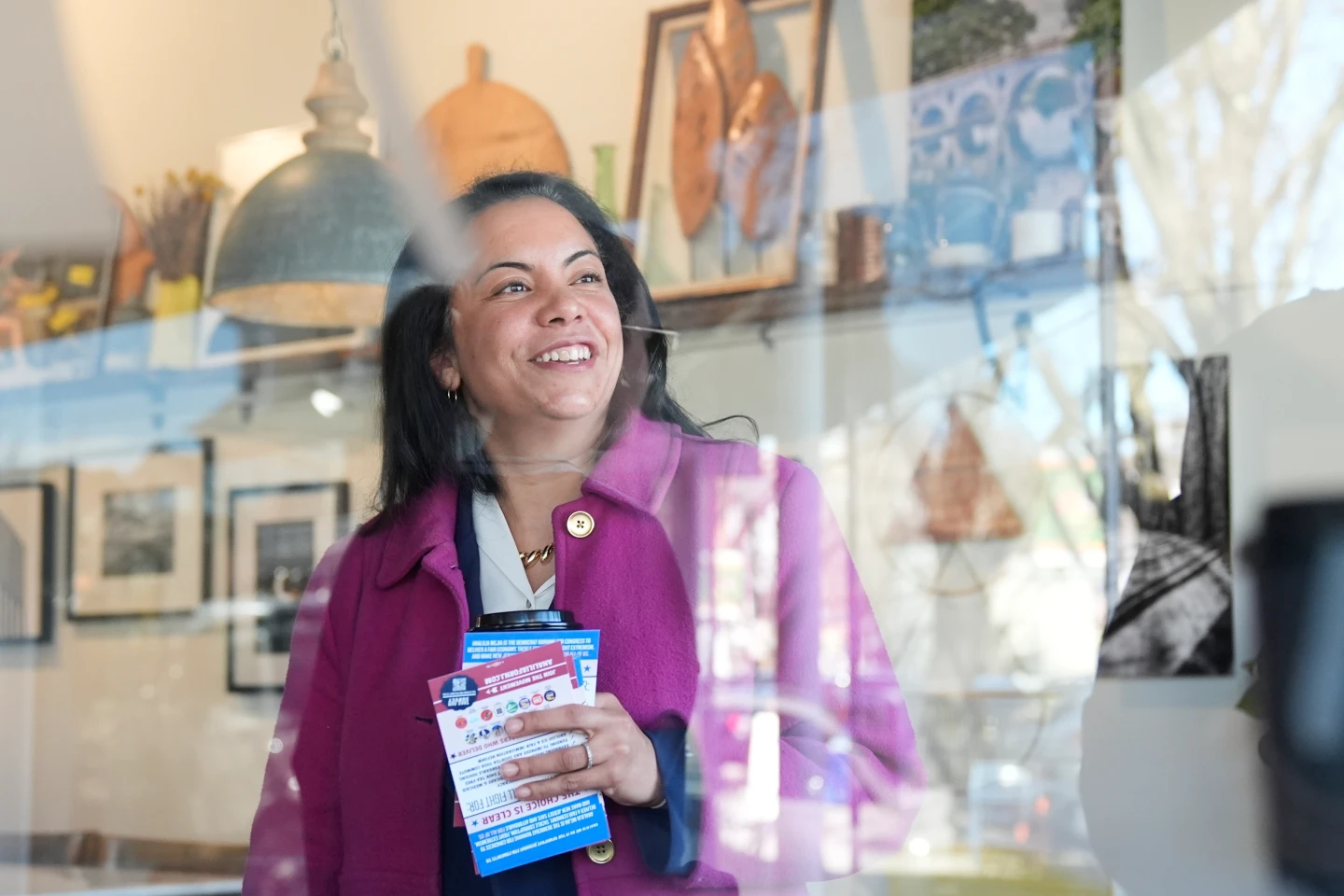
In New Jersey’s 11th District, a recent primary saw the emergence of Analilia Mejia, a progressive candidate backed by prominent figures like Bernie Sanders and Alexandria Ocasio-Cortez. Mejia’s platform, which includes a strong stance on immigration reform and opposition to Trump’s policies, resonates well with a constituency eager for change.
Suburban voters, largely comprised of college-educated individuals who distanced themselves from Trump's politics, could significantly reshape future elections. The energetic grassroots activism reflects broader demographic shifts as the suburban electorate becomes increasingly diverse and politically engaged.
As activist efforts gain momentum, local resident Jeff Naiman articulated a sense of urgency, reflecting on the need for continued advocacy in the face of rising authoritarianism. The changing dynamics of suburban politics indicate that complacency may no longer be an option, leading to increased participation in protests and local political races.
The grassroots mobilization of suburban residents marks a transformative era in political engagement, with implications that extend well beyond local races, potentially impacting national political landscapes as the 2024 elections approach.