In brief
The Strait of Hormuz, crucial for global oil and commodity shipments, has seen traffic fall from an average of 138 ships a day to just 23 on one Wednesday. Three tankers struck earlier this week while following a US‑recommended Omani route, prompting Iran to expand its own defensive “safe” lane. The 17 June US‑Iran peace deal promised a 60‑day period of free passage, yet Iran’s continued mine‑laying and aggressive posturing has stoked uncertainty. Analysts foresee a pattern of intermittent escalations before any sustainable reopening of the waterway, as both sides weigh the costly balance between diplomatic incentives and military pressure.
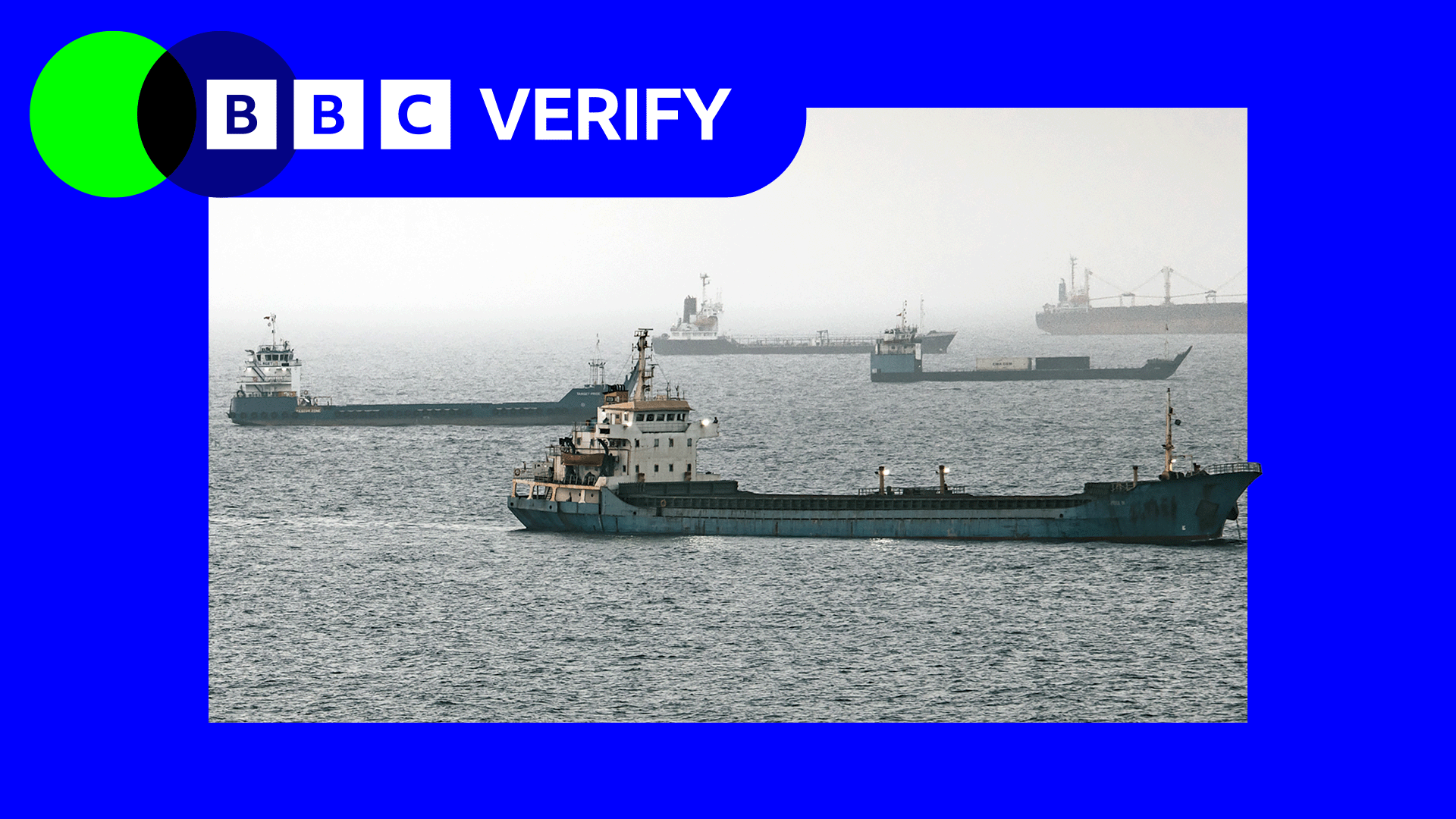
The Strait of Hormuz, a narrow passage that funnels over a fifth of the world’s oil and gas, has slid into a new low on Wednesday. According to maritime‑tracking service Kpler, only 23 tankers and cargo ships crossed the strait, a dramatic plunge from the 47 ships that crossed the day before and from the pre‑war average of 138 a day.
The drop follows a fresh round of tit‑for‑tat strikes this week between the United States and Iran. Three vessels—an LNG tanker owned by Qatar, a crude oil tanker owned by Saudi Arabia, and a Liberia‑flagged tanker—were attacked near the Omani‑recommended route, sparking fears of a dangerous new era of combat in the waterway.
Iran insists the only secure path for commercial shipping is the route it designates north of its coast, while the U.S. and its Gulf allies champion the older Omani route that opens to international lanes. The parallel system for maritime traffic was set up after the 17‑June memorandum of understanding (MOU), which pledged Iran to allow free passage for 60 days but left vague the long‑term status of the strait.
Following the strikes, the usage of the Omani route ground to almost nothing: no ships used it that Wednesday compared with an average of about ten ships a day in the previous week. Those who monitor the waterway see the traffic slump as a clear sign that Iran’s confidence in the diplomatic rides is eroding.
The repeated flare‑ups are paired with attempts to find a formula that balances the carrot of economic relief with the stick of military sanctions. Senior analyst Martin Kelly of EOS Risk Group warns that the cycle of strikes and lull will repeat until a more decisive diplomatic resolution re‑establishes trust and opening in the strait.