In brief
Prince Abdul Aziz bin Salman has warned that the Houthi attacks on Saudi airports and oil infrastructure will trigger a "serious" response from the kingdom. The attacks have already resulted in multiple casualties and caused airlines to suspend flights to Riyadh and Dammam. Saudi forces claim to have intercepted several missiles and drones, while Houthi officials claim to be counter‑attacking in retaliation for Saudi airstrikes in Yemen. The situation has drawn international condemnation and threatens to further destabilise the already volatile region.
Prince Abdul Aziz bin Salman, Saudi Arabia’s energy minister, has vowed a "serious" response to the recent series of Houthi missile and drone strikes on the kingdom’s airports and oil‑and‑gas facilities. The reassurance came Saturday morning, as attacks on King Khalid International Airport and elsewhere had already taken dozens of lives.
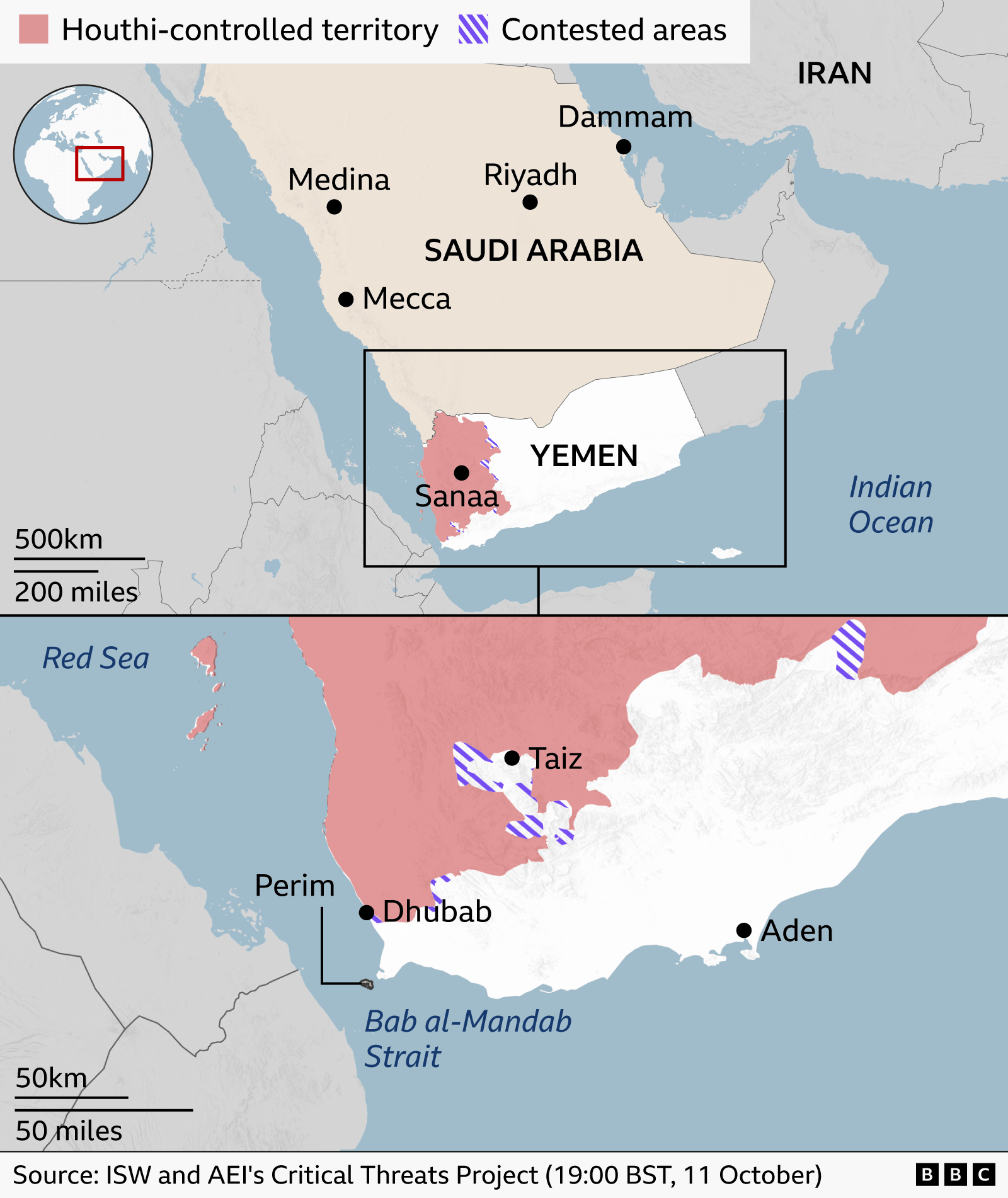
The Houthis, an Iran‑backed movement that controls large parts of Yemen, say the strikes are retaliation for what they describe as "brutal Saudi aggression." In exchange, Saudi‑led coalition forces have claimed to have intercepted dozens of missiles and drones launched from Houthi positions in the Red Sea region.
The latest wave of attacks has forced carriers such as Qatar Airways and Etihad to suspend flights to Riyadh and Dammam, citing regional security concerns. King Khalid International Airport remains closed with spill‑over damage reported at the terminal building after a missile hit on the night of the preceding Sunday.
Saudi officials, including the head of the General Authority of Civil Aviation (GACA), have confirmed the death of a Pakistani national when a projectile struck Terminal 4 and reported injuries at a nearby residential area. At the same time, the Houthis announced the downing of a Saudi reconnaissance drone and claimed to have targeted oil facilities in the Eastern Province, signalling a broadening of the conflict.
International leaders have weighed in, with U.N. Secretary‑General António Guterres describing the attacks as a violation of international law and calling for restraint. The United States is reportedly providing intelligence and targeting support to the Saudi coalition, while Iran has issued a statement urging dialogue to avoid further escalation.
The prolonged war in Yemen, which began in 2014, has destabilised the region and contributed to global oil price volatility since the Red Sea corridor was seized by the Houthis in October last year. The Saudi‑led coalition’s intensified counter‑attacks have been aimed at countering the Houthi advance toward the Bab al‑Mandab Strait, though the Houthis deny ceding any territory.
As the dispute intensifies, Prince Abdul Aziz pledged that Saudi Arabia would overcome the challenges posed by the attacks, stressing the kingdom’s determination and resilience. Whether that promise will translate into a decisive military counter‑strike remains to be seen.