In brief
Consumer‑price data show US inflation climbing to 3.7% year‑on‑year in September, beating forecasts largely due to a sharp rise in gasoline prices. The uptick comes just weeks before the mid‑term elections, amid worries that higher costs could sway voters. Energy inflation has jumped over 20% and the Fed is watching whether the spike will drift into broader price categories. This follows a 9% peak in 2022 amid global oil shocks. Analysts say a slowing pace doesn’t mean falling prices, only a gentler climb.
The most recent consumer‑price data released by the Bureau of Labor Statistics shows US inflation climbing to 3.7% over the year to September, a jump that surprised analysts and comes just weeks before the mid‑term elections.
What went wrong?
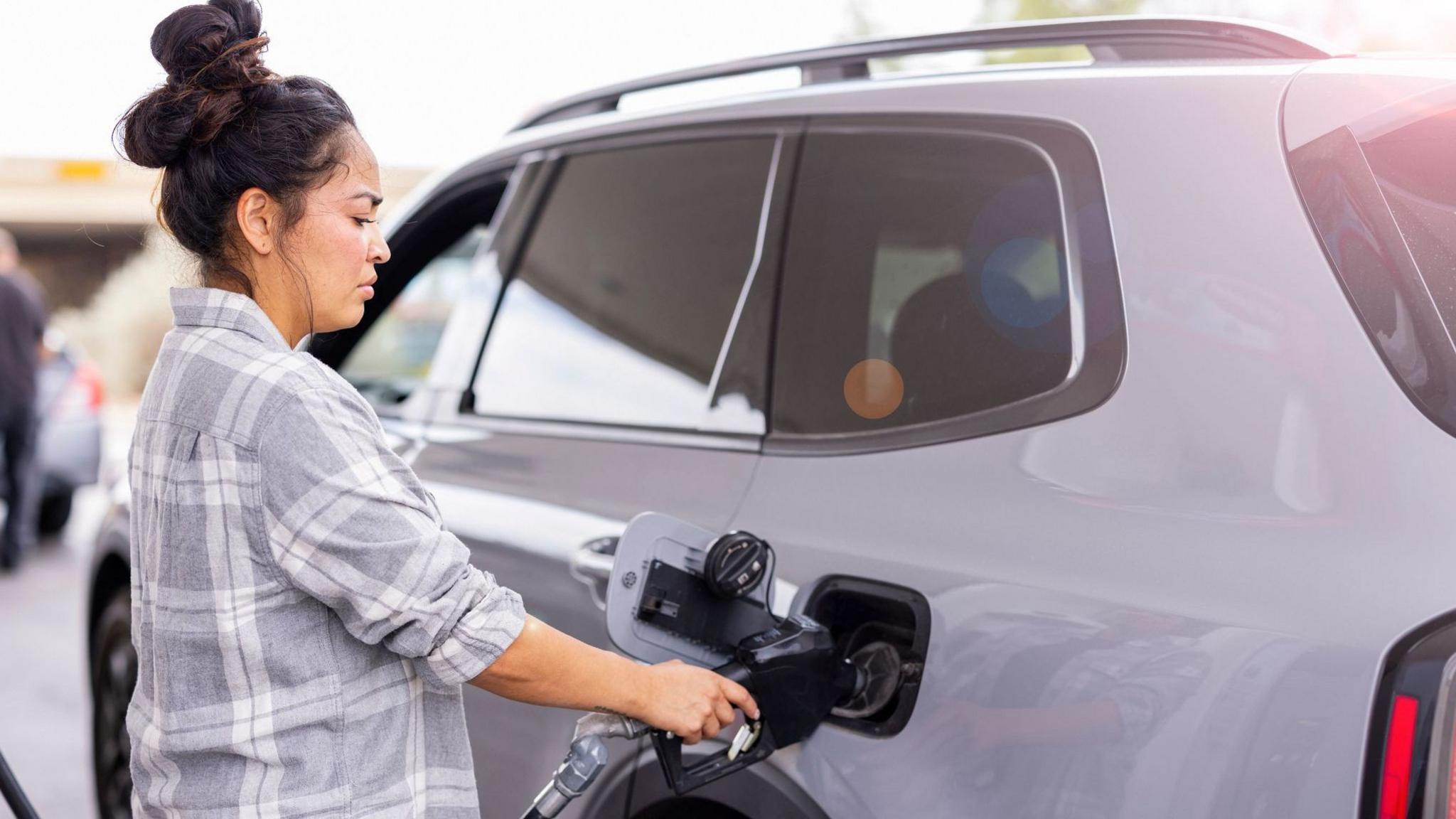
Gasoline prices posted the biggest lift, climbing 34.2% over the full 12‑month period and 9.1% in September alone, after supply disruptions triggered by the new US‑Israel conflict in the Middle East drove crude‑oil prices past $100 a barrel.
How inflation is measured
The CPI tracks a “basket” of goods and services – from groceries and clothing to energy and health care – and is updated regularly to reflect changes in consumer habits.
The ripple effects of higher gas
Energy inflation, up 20.4% year‑on‑year, is already pushing up food costs, though food prices have been relatively flat in September. Core inflation – which strips out volatile food and energy – sits at 2.6%.
Tariffs and the price tag
President Trump’s recent 10% global tariff has fed into the inflation mix, as most auctioned manufacturers absorb the cost rather than passing it all on. The New York Fed estimates a 1% tariff hike can raise consumer‑good prices by about 0.25% after a year.
Looking back
Inflation peaked near 9% in 2022 during a global oil shock caused by the Ukraine invasion, down from pandemic‑era spikes but still well above the Fed’s 2% target.
Can it ease?
A slower inflation rate does not mean falling prices; it simply indicates a slower climb. Central banks typically aim for about 2%, seeing this as a healthy backdrop for growth.