Saudi Arabia's dilemma as it tries to stay out of US‑Iran war
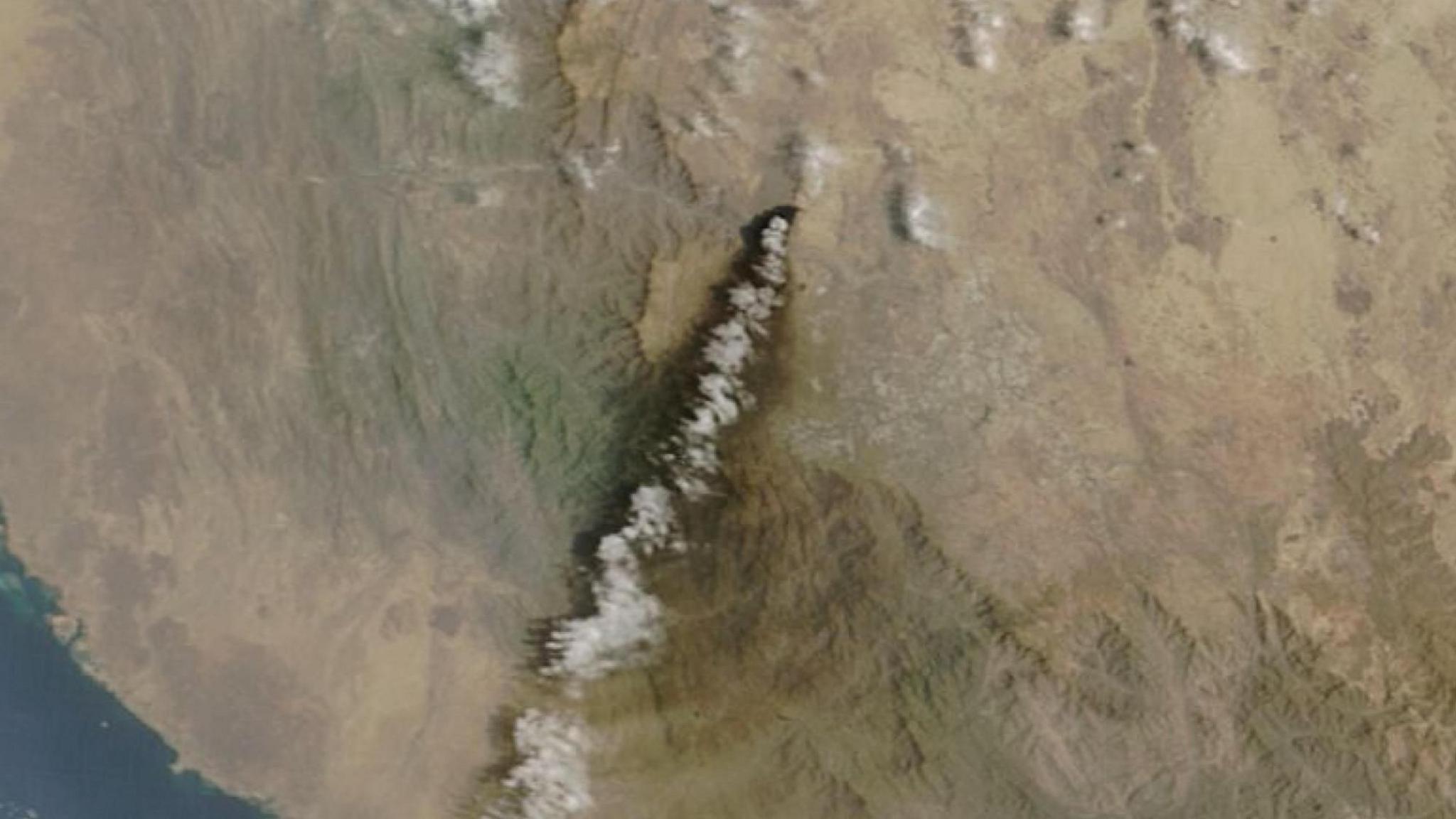
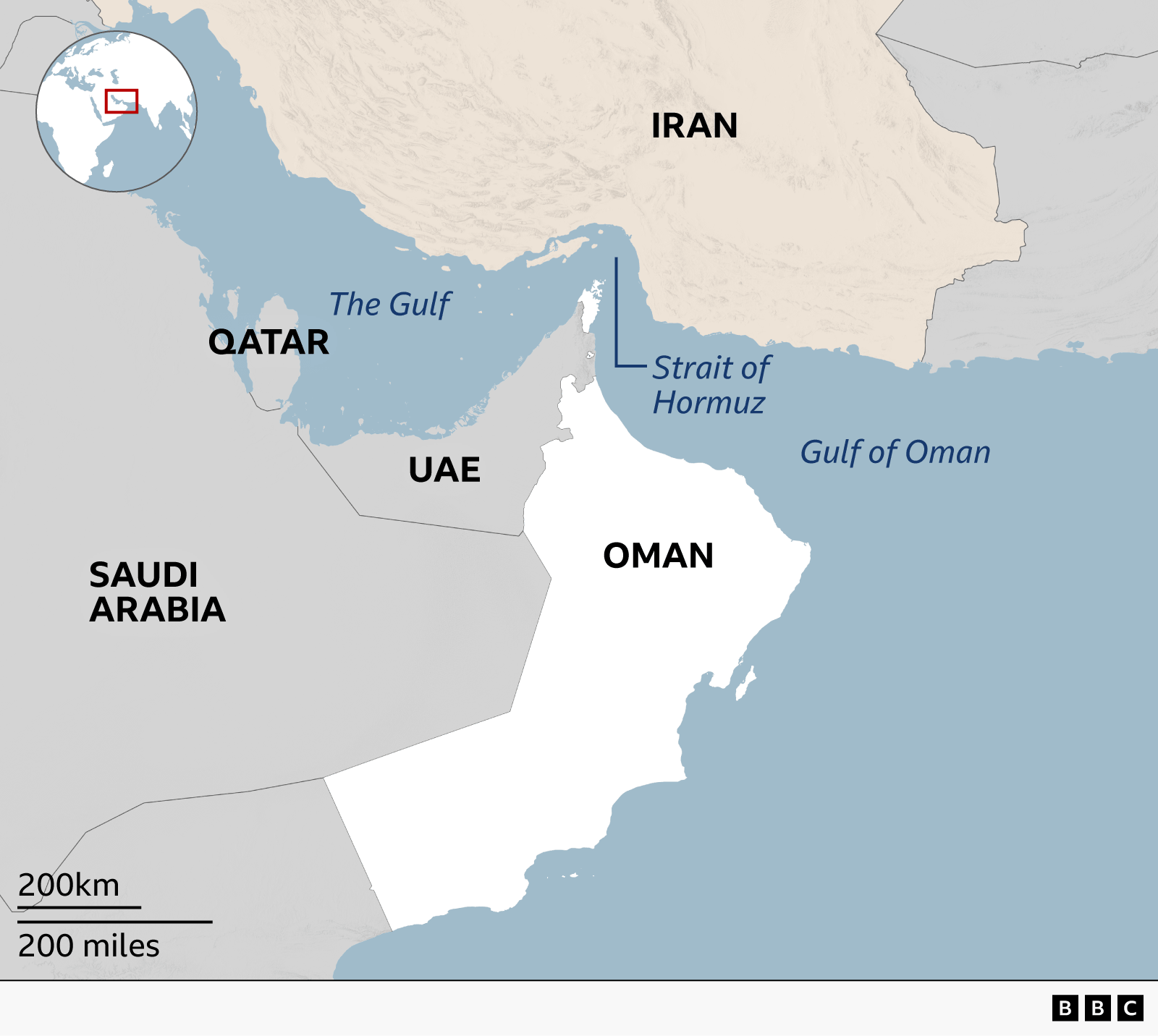
The US‑Iran clash that erupted on 28 February 2026 has multiplied the threats to Saudi Arabia. While Riyadh has largely sought to maintain neutrality, the Kingdom has faced attacks from three fronts: drone raids by Iraqi proxy militias, missile and shipping assaults by Yemeni Houthis, and the looming danger of Iranian preparations to close the Strait of Hormuz.
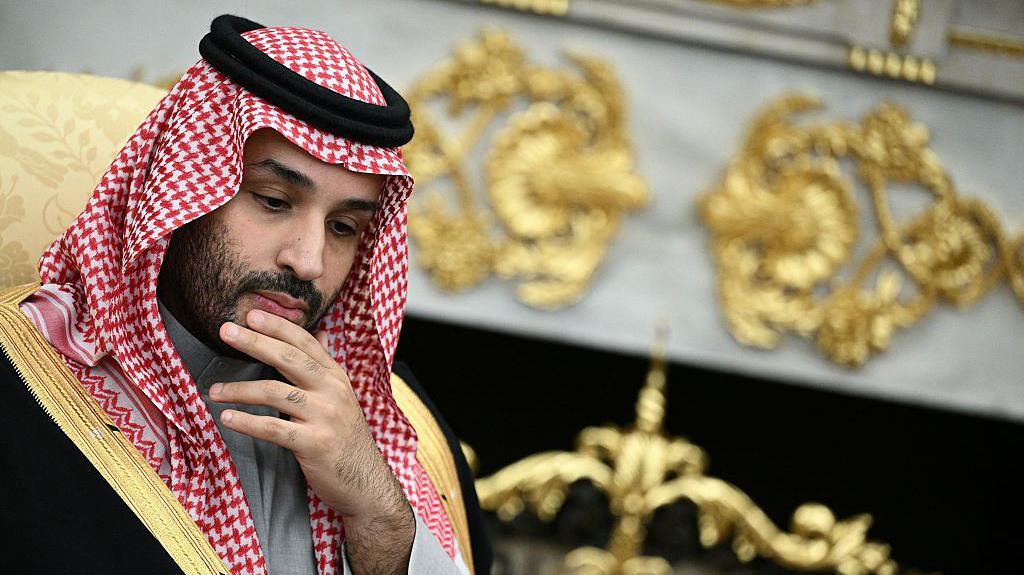
The Crown Prince Mohammed Bin Salman’s Vision 2030 aims to diversify a fossil‑fuel‑based economy and build resilient infrastructure. Yet the very data centres and ports envisioned as pillars of growth are now vulnerable to explosive sabbatage, forcing Saudi officials to confront the reality that economic expansion cannot outpace regional insecurity.
In a recent show of force, Riyadh carried out joint strikes with the US against Iranian proxy militias in Iraq. These strikes – the first of their kind in the current campaign – targeted sites used by the Popular Mobilisation Forces that have launched dozens of drones over Saudi skies. The retaliation came after a sustained drone attack destroyed critical oil facilities at Abqaiq and Khurais, crippling the country’s exports for days.
Meanwhile, the Houthis in Yemen have accelerated assaults on Saudi shipping through the Bab el Mandeb Strait, threatening the flow of petroleum to Asian markets. The rapid escalation culminated on 13 July with a US‑Saudi bombing of Sanaa airport, allegedly to intercept an Iranian-linked aircraft. The Houthi rebels then struck Saudi airports in Abha and Jizan, further drawing Riyadh into the fray.
These multipronged incursions pose a strategic gamble: Saudi Arabia can either maintain a deterrent posture, risking wider entanglement, or pursue negotiated de‑escalation with its adversaries. Yet the choice remains fraught with cost, as a hardened stance aggravates oil supply disruptions, while concessions could embolden Iranian influence in the region.
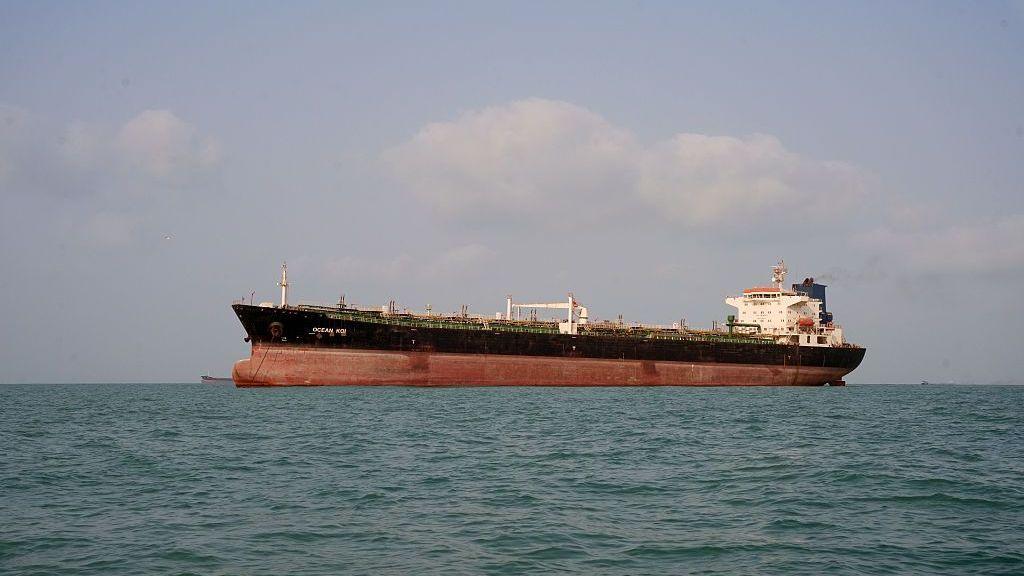
At the same time, the Strait of Hormuz, through which 20 % of the world’s petroleum passes, sits under threat of Iranian blockade. Saudi oil exports already re‑radiated from the Red Sea to comply with this danger, but further disruptions could cripple the Kingdom’s economic ambitions under Vision 2030.
In a moment when Middle Eastern geopolitics are shifting toward a four‑to‑five‑month war at best, Saudi leaders must decide fast. Either a hard‑line military response or a well‑calculated diplomatic strategy could shape the future of not just Saudi Arabia but of the global energy markets.