
In brief
UN peacekeeping chief Jean‑Pierre Lacroix warned on November 4 that the departure of the United Nations Interim Force in Lebanon would risk a security vacuum, potentially heightening friction between the Lebanese army and Israel’s Defense Forces. The UN urges the Security Council to define a successor arrangement amid support from Israel and the United States for ending the mission.
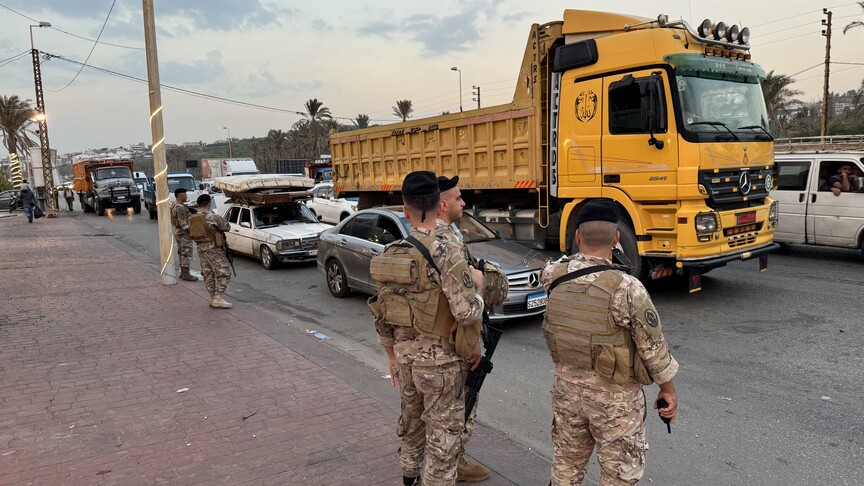
On Wednesday, UN peacekeeping chief Jean‑Pierre Lacroix cautioned that the planned withdrawal of the United Nations Interim Force in Lebanon (UNIFIL) could create a security vacuum in the south, raising the risk of escalating tensions between the Lebanese army and the Israel Defense Forces. He urged the Council to clarify what will replace the mission as Lebanon’s frontiers remain fraught.
UNIFIL, established in 1978, has long served as a neutral observer along the Blue Line demarcating the 2000 cease‑fire territory. Its duties have included monitoring cease‑fire compliance, reporting violations, and facilitating humanitarian access for an estimated 10,000 civilians living between Israel’s forward defense line and the Blue Line. Lacroix emphasized that “its humanitarian role is particularly important” to a region with long‑standing grievances.
“Do we really believe that the Lebanese army and the Israel Defense Forces can be just left facing one another without any third party?”
Lacroix posed the question during a briefing to reporters after a visit to the Middle East, highlighting Lebanon’s wariness over losing a third‑party presence that has helped prevent misunderstandings and keep communication channels open. He noted that “withdrawal plans were ready but flexible enough to accommodate a possible future UN presence.”
The UN’s warning comes as Israel, backed by the U.S., has signaled a desire to end the mission, arguing that its presence is no longer necessary following the 2006 conflict and the restoration of stability. While the International Council of Lebanese officials has expressed concern about the potential gap in oversight, some Israeli officials claim the withdrawal would reduce friction by removing an external actor from the border dynamic.
In December 2025, the UN Security Council passed Resolution 2270, reducing UNIFIL’s troop strength by 40%, but the council did not endorse a successor arrangement. Consequently, the UN has yet to receive clear guidance on how to transition responsibilities for monitoring and humanitarian coordination.
Critics worry that without UNIFIL’s mediation, a small incident could trigger a broader flare‑up. The Lebanese army, which has built its own security posture since 2006, ferreted a balance between showing force and preventing misinterpretations that could draw Israel into a firefight. Unchecked, such volatility may harm civilians in the area, many of whom rely on coordinated convoys for food and medical supplies.
There is uncertainty about whether a local or regional security partnership could fill the void. Some analysts argue that a trilateral arrangement involving Lebanon, Israel, and regional partners could preserve oversight while bolstering Lebanese sovereignty, whereas others warn that any ad‑hoc solution could be less effective in preventing unintended escalation compared to the UN’s established protocols.
As the Security Council debates the next steps, UN officials have emphasized the need for “a well‑coordinated transition plan.” Deputy Secretary‑general's statements highlighted that such a plan should include both monitoring mechanisms and humanitarian logistics, especially given the continued vulnerability of northern Lebanese communities to cross‑border aid.
In the meantime, the Lebanese Ministry of Foreign Affairs has called on the international community to maintain dialog with the UN, and Israeli officials have said they would adjust border patrols to compensate for the withdrawal. The conversation now centers on whether the international community can expedite a vision that protects civilians, preserves stability, and addresses stakeholder concerns regarding sovereignty and security.

