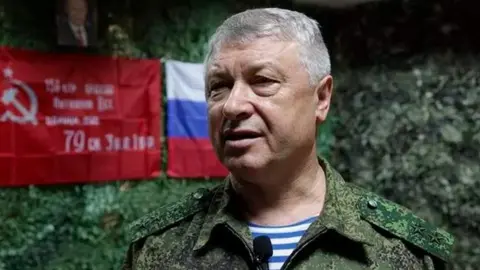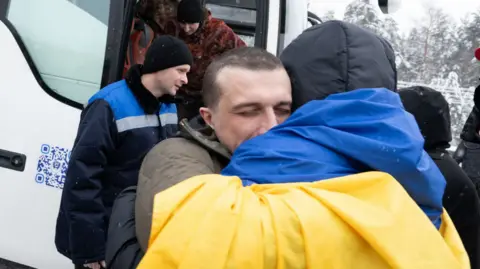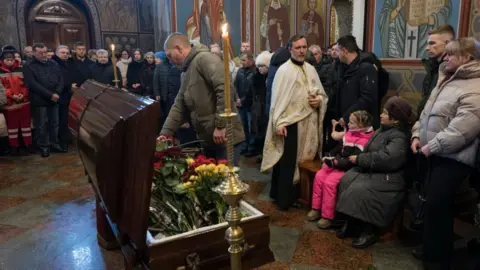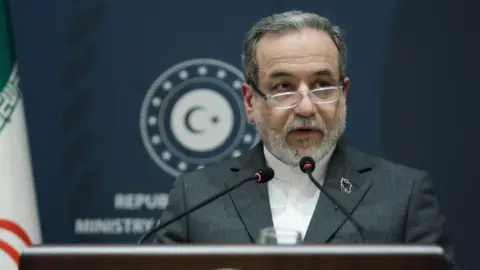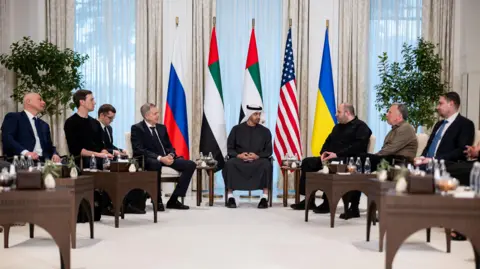
The first three-way peace talks between Russia, Ukraine and the US have ended in Abu Dhabi with no apparent breakthrough, as fighting rages.
Ukrainian President Volodymyr Zelensky raised the possibility of a second meeting as early as next week, while an American official said a new round would begin on 1 February.
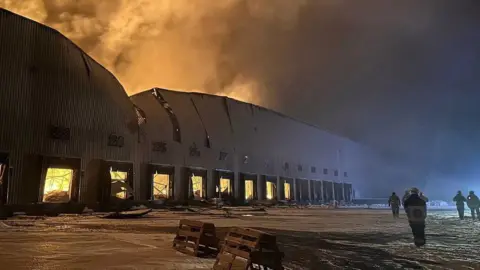
The two-day talks concluded after waves of Russian air strikes targeted Ukraine's badly damaged energy infrastructure, resulting in one death and injuring 35 others, according to Ukrainian officials.
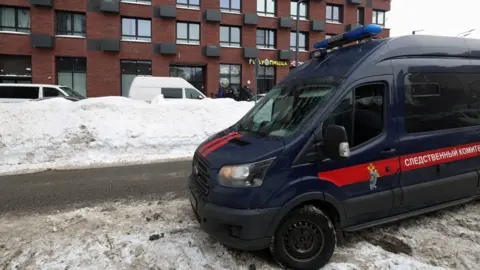
Russia accused Ukraine of attacking an ambulance in its controlled territory, killing three medics, and highlighted a Ukrainian missile attack on its energy infrastructure in Belgorod.
The BBC could not independently verify the reports.
The talks in Abu Dhabi marked the first trilateral meeting since the Kremlin launched its full-scale invasion of Ukraine in 2022.
The central focus of the discussions was the possible parameters for ending the war, Zelensky posted on X.
He emphasized the importance of American monitoring and oversight in the process of ending the war and ensuring security.
All parties agreed to report back to their leaders and coordinate further steps, with Zelensky confirming that the next round of talks is scheduled for next Sunday in Abu Dhabi.
U.S. officials expressed that the decision to continue dialogue is a positive sign, indicating substantial work accomplished during the negotiations.
In parallel, Russian state news agency Ria-Novosti reported that Moscow is open to continuing dialogue with Ukraine and the U.S.
Friday night, Kyiv Mayor Vitali Klitschko confirmed casualties from Russian airstrikes, stating that 6,000 buildings lost heating, putting residents at risk as temperatures dropped to around -12C. Ukrainian Foreign Minister Andrii Sybiha condemned the strikes as a brutal act aimed at undermining peace efforts.
Russia, meanwhile, responded claims that Ukraine had attacked emergency services, highlighting its own losses from Ukrainian missile strikes.
The conflict remains deeply rooted in territorial disputes, with Russia occupying around 20% of Ukraine, including parts of the eastern Donbas region. The prospect of peace remains clouded by the stark divisions in territorial claims and security guarantees.
}