In recent discussions, international relations experts have noted that the global landscape is shifting once again, putting 'middle powers' in a vulnerable position as geopolitical dynamics evolve. As the world inches back toward a pre-World War II order, this emerging environment raises grave concerns for nations situated outside the realm of the great powers.
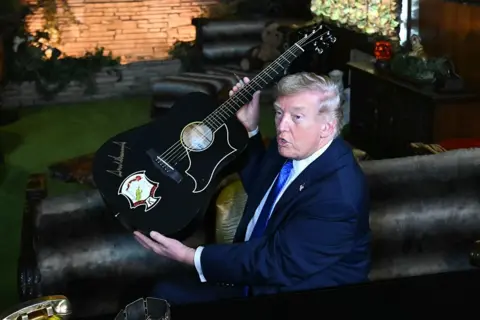
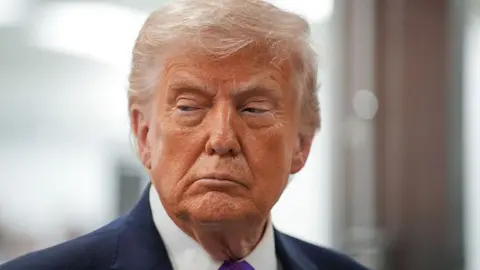
Under President Donald Trump's administration, a discernible shift towards American unilateralism signifies a departure from the collaborative frameworks established after World War II. This 'America First' strategy emphasizes putting national interests at the forefront, often at the expense of collective agreements formed over decades. Trump's recent remarks about NATO and his aggressive diplomacy regarding Greenland exemplify this trend — highlighting a national perspective that many allies perceive as dismissive or even insulting.
As leaders from Canada and Europe gather in forums like Davos, they express a growing need for 'middle powers' to solidify their alliances and stand united in the face of a shifting dynamic that risks leaving them on the sidelines. Canadian Prime Minister Mark Carney's articulation of this moment as one of rupture with the traditional order reflects a shared sentiment: the stakes are high and the need for cohesion is urgent.
As Trump’s policies resonate for his MAGA base, the acceptance by European leaders to ramp up defense spending evidences a sobering realization — the old dynamics of international cooperation are eroding, calling for a reevaluation of alliances and strategies.
In evaluating the historical context, experts have drawn parallels to imperial practices and the importance of a stable international order, urging a cooperative resolution among 'middle powers' to avert severe conflicts reminiscent of earlier global rivalries. The path forward is rife with challenges, but a coordinated response among these nations may serve as a counterbalance to unilateral assertions of power.