In brief
Two overcrowded fishing vessels left Myanmar’s Rakhine state on 29 June with more than 500 Rohingya refugees, but no reports have been heard since. Witnesses and experts suggest the boats capsized amid rising monsoon seas, with very few survivors. Investigations by the Arakan Project reveal that the vessels were part of a perilous smuggling network that traffics refugees from Myanmar and Bangladesh toward Malaysia, Thailand and Indonesia, often at enormous human cost. The incident highlights the desperate conditions that push refugees into life‑threatening maritime journeys, and the urgent need for safer routes and international intervention.
More than 500 Rohingya Vanished at Sea – What Happened?
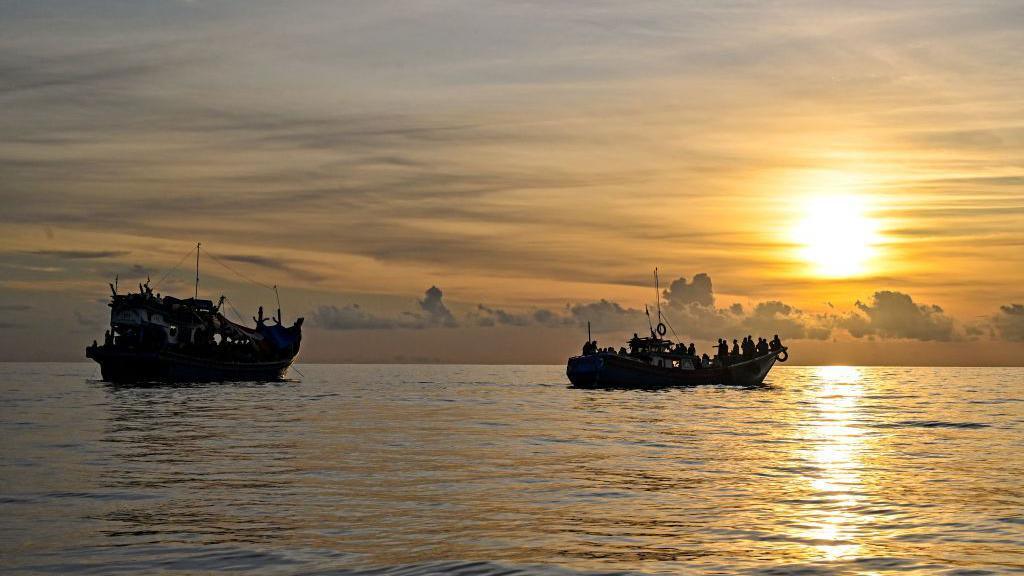
On 29 June, two overloaded fishing trawlers left Myanmar’s war‑torn Rakhine state carrying an estimated 530 Rohingya asylum seekers. Since the departure, no communication has been received and the vessels have not been sighted.
The Likely Fate of the Vessels
Witnesses report that the monsoon had just begun, turning waters in the Bay of Bengal rough and unpredictable. The boats—improvised for carrying people rather than for safe passage—were old fishing vessels with unreliable engines and limited buoyancy. Experts believe both plummeted into the sea between the first and second day of travel, leaving only a few, if any, survivors.
Bangladeshi fishermen later recovered the body of one woman washed up near the Irrawaddy delta, and subsequently found several more bodies nine days later. These discoveries support the conclusion that the ships capsized, either in the early hours of departure or after days of sailing toward the southern coast of Myanmar.
Smuggling Networks and a Gripping Crisis
Chris Lewa of the Arakan Project, who is piecing together the missing vessels’ final journey, confirms that the boats likely headed toward Indonesia’s Aceh Province or Malaysia via a tenuous route through Thailand. “The smugglers buy a mother ship,” Lewa explains, “load as many people as possible, then drop them off at southern Thai or Indonesian beaches where a smaller boat can take them to their final destination.”
Covering this network are large, poorly maintained vessels that cross the Bay of Bengal and the Andaman Sea, carrying migrants for a fee of approximately $3,000 (£2,230). Those who cannot pay are detained or coerced by violence, while the traffickers wait for payment before moving the refugees across borders.
With more than a million Rohingyas in Rakhine and the camps of southern Bangladesh, and with aid drying up, many see no alternative but to embark on these perilous sea journeys. The cost of smuggling, length of the journey, and the threat of absorption at maritime checkpoints keep the refugee exodus relentless.
Calls for Safer Routes
The United Nations has urged for the creation of protected, supervised pathways for refugees leaving Myanmar and Bangladesh. Yet no state, including Myanmar, Thailand, Malaysia, or Indonesia, is willing to streamline a passage for Rohingyas, leaving smugglers to steer desperate families with no safety net.
As the world watches the tragedy unfold, the question remains: without international cooperation and the establishment of safer, legal routes, how many more will vanish? The disappearance of these 530 refugees is a stark reminder of the human cost of landlocked violence and the desperation driving people to the edge of the sea.