In brief
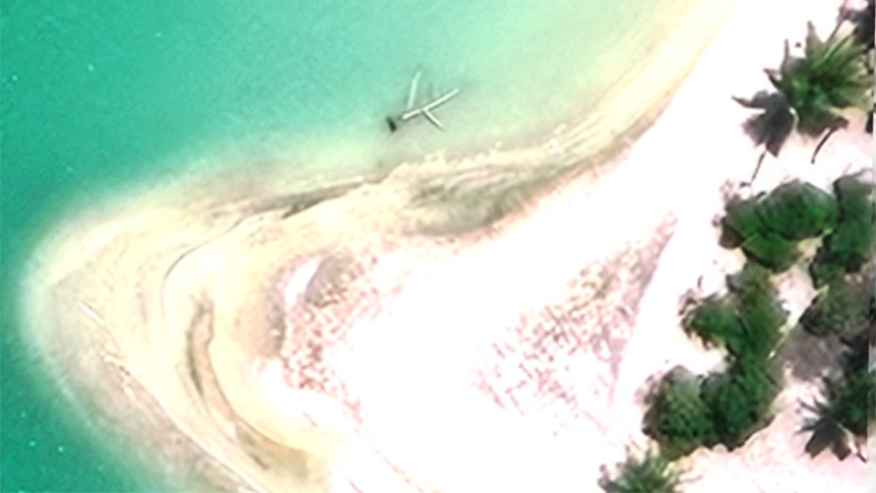
For the first time, a field expedition to Nikumaroro’s Taraia Peninsula examined the so‑called Taraia Object, long suspected to be hints of Amelia Earhart’s missing Electra. Researchers from Purdue University concluded the gleaming debris was in fact a cluster of large trees deposited by coral sandspits, agreeing with satellite imagery dating back to 1938. The team spent five days by sea and four days onshore, noting that only a fragmented Y‑shaped segment remained after the tide had eroded much of the material. While the mystery of Earhart’s disappearance continues, the new findings cast doubt on this particular lead. Future investigations will need to explore alternate sites and artefacts to solve the aviation enigma.
What the field team discovered, published today by Purdue University, challenges a long‑standing theory that the shimmering glint spotted in 2020 was the wreck of Amelia Earhart’s aircraft.
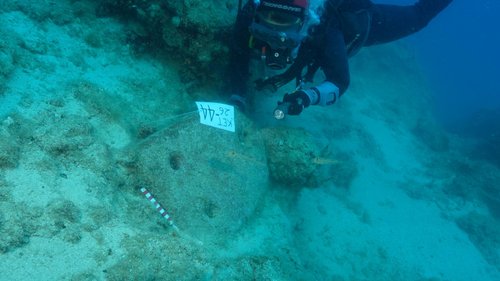
The crew set sail for the remote island of Nikumaroro after satellite data suggested a metallic anomaly on its lagoon. Five days’ ocean travel followed by four days on the island, during which they walked the shoreline, failed to uncover any airplane remnants.
What they found, and her Twin‑Engine Lockheed Electra’s suspected destination, led to the conclusion that the object was really a bundle of large trees that had washed up along the peninsula’s sandspit. By the time they arrived, much of the “wreckage” had eroded away, leaving only a jagged Y‑shaped fragment.
Rick Pettigrew, project director, stated that the mystery has “been ongoing for 90 years” and that new evidence might still surface, but this particular lead can now be ruled out as an aircraft artifact.
Earhart vanished in 1937 while on a global circumnavigation attempt. After writing her route from California to Papua New Guinea via South America, Africa and Asia, she and navigator Fred Noonan aimed for Howland Island, only to disappear. The proposed alternate route to Nikumaroro—the island now empty and thought to host remnants—remains a plausible but unproven theory.
Article by Jacob Phillips – Published 59 minutes ago