In brief
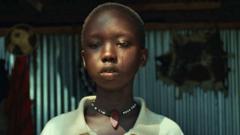
In her role as Nawi, a 13-year-old girl sold into marriage, Ikeny's performance reflects the realities faced by many in her community of Turkana, where child marriage remains prevalent despite legal prohibitions.
Michelle states, "I want the movie to spark conversations about this topic, because it's really not something people want to talk about," highlighting the urgency of addressing child marriage within society. ---Michelle Lemuya Ikeny, a young actress from Turkana, Kenya, is taking a daring step into the cinematic world by portraying a character that tackles the serious issue of child marriage. The film, which debuted in late 2022, tells the story of Nawi, a bright 13-year-old forced into marriage with an older man named Shadrack. In a community where one in four girls marry before the age of 18, Michelle's commitment to her role is both courageous and ground-breaking. "I grew up seeing my friends drop out of school because of early marriages," asserts Michelle. Her remarkable portrayal earned her the Africa Movie Academy Award for best promising actor, a feat that is all the more incredible considering she had no prior acting experience. She initially believed she was merely participating in a school play. The film reflects not just her experiences but the broader plight of many young girls in the region.The script, penned by Milcah Cherotich, is deeply personal. Inspired by her own life and the experiences of her sister, who was married off at 14, Cherotich aims to shed light on a subject often shrouded in silence. This raw, emotional narrative doesn’t shy away from illustrating the grim realities of child marriage, highlighting both its widespread acceptance and its illicit nature under Kenyan law.Despite the risks associated with discussing such a taboo topic, the filmmakers hope to provoke vital discussions within the community. The filmmakers are underscoring the importance of storytelling as a transformative tool. "I realized the importance of storytelling, the power it has," Cherotich reflects.The conversation extends beyond Kenya; child marriage affects millions of young girls in Sub-Saharan Africa, which has the highest incidence of child brides globally. The UN aims to eliminate child marriage by 2030, but recent reports indicate that current efforts are insufficient, particularly in regions like West and Central Africa.In anticipation of backlash, the film has already made an impact; one patriarchal figure in Cherotich’s family was moved to tears while watching, a sign of a possible shift in perspective.As the film gains traction, with ongoing screenings planned in refugee camps and among local elders, there’s hope for a significant cultural change. The directors of Nawi are working tirelessly to ensure the message is heard globally, as they eye international distribution prospects. They believe that if more viewers can resonate with Nawi’s story, systemic change could follow.“I have so many dreams," Michelle continues, "When you watch the movie, put yourself in the shoes of Nawi, put yourselves in the shoes of all those 640 million girls." The urgency to engage in discussions about child marriage is not just pivotal for Kenya but serves as a global call to action for the future of girls everywhere.