In brief
Ukraine’s Operation Vivaldi has reclaimed 277 square kilometres of eastern Donbas, pushing Russian forces back and inflicting heavy casualties. The offensive has relied heavily on drones and Starshield, the military version of Elon Musk’s Starlink, to maintain command, control and coordination. Yet this week Kyiv reported the U.S. government imposed unexpected restrictions on Starlink, raising fears of a sudden loss of battlefield connectivity. Despite the technical setbacks, morale remains high among the troops and civilians alike, who view the gains as a turning point in the conflict.
Ukraine’s Offensive in Donbas Accelerates
Since the start of Operation Vivaldi, Ukrainian forces have reclaimed 277 square kilometres of territory north and east of Lyman, a key rail hub that had been under Russian occupation since spring 2025. Commanders say the gains have forced the Russians to retreat after three months of combined arms attacks that included drones, unmanned ground vehicles and remotely‑controlled explosives.
According to Kyiv, the offensive has inflicted about 8,000 Russian casualties in this phase alone, while only a handful of Ukrainian soldiers were lost. The push has been described by officials as a “major victory” that improves Ukraine’s strategic position and offers a bridgehead for future operations.
Starlink and the Modern Battlefield
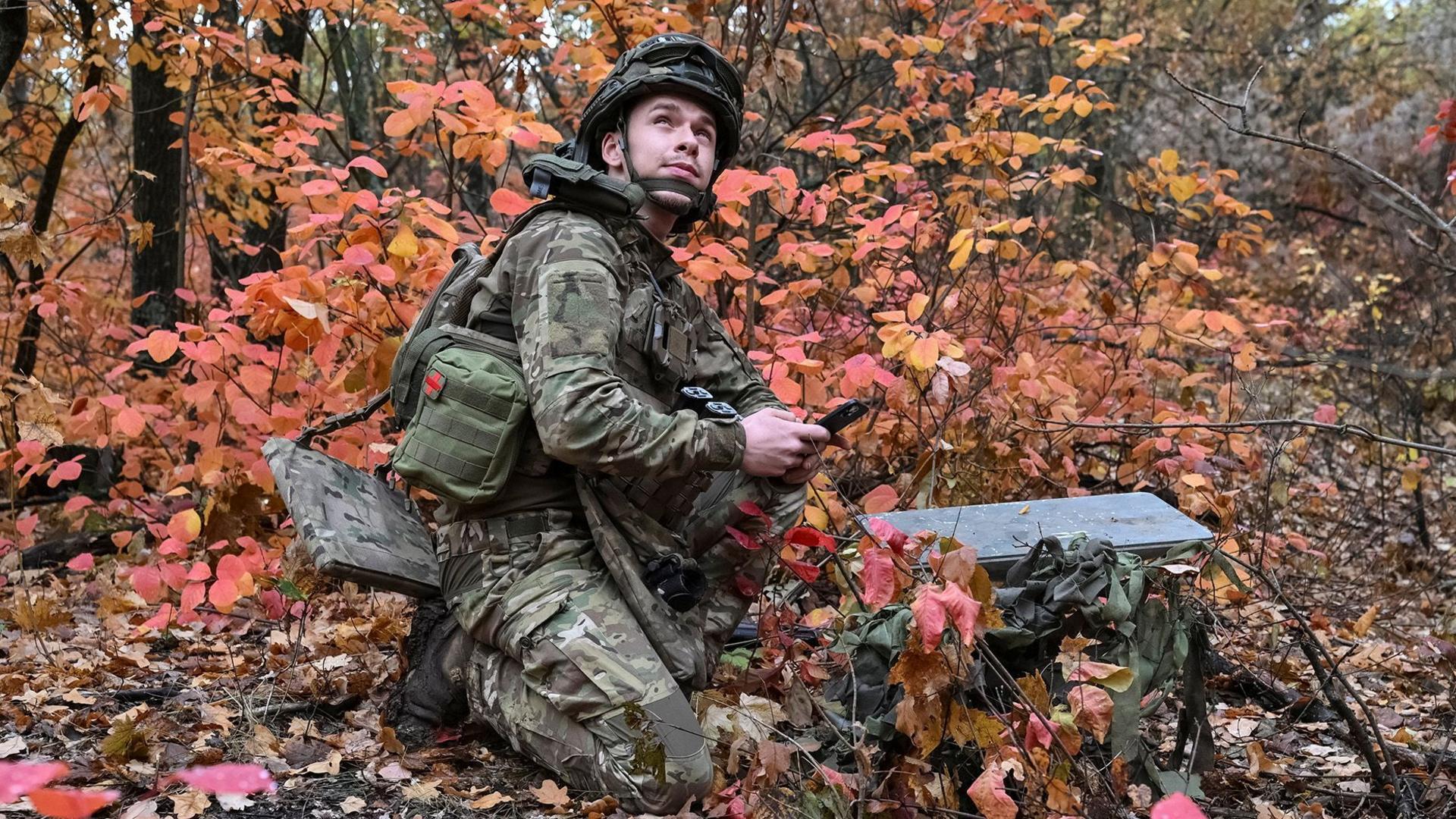
Starshield, the military off‑shoot of Elon Musk’s Starlink satellite network, has underpinned the operation. The system provides real‑time video links from drones to the command bunker, enables instant targeting of enemy vehicles and supports the coordination of drone strikes that neutralised a vital rear‑line Russian spotter. Several commanders noted that without the broadband connectivity, response times would have been far slower and the offensive’s success uncertain.
This week, Ukraine reported that the U.S. government had placed unexpected restrictions on Starlink without prior notice. Musk and several analysts suggest the order may have come from Washington, sparking concerns in Kyiv that the war could be decided not on the ground but by a cyber‑policy change in a distant capital.
Drones, Ground Robots and Human Resolve
Russian drones have remained a constant threat, with kills estimated at 250 in the past month. Ukrainian units have deployed unmanned ground vehicles to deliver supplies and even to breach enemy‑controlled lines. Among those who reached the front line, soldiers like ‘Dealer’ of the Silver Trinity unit described the trauma of moving through open ground while drones hovered above and the strategic satisfaction of reclaiming villages that former residents such as 61‑year‑old Volodymyr Zamota had only survived for eight months in isolation.
Despite the hardware uncertainties and diplomatic tensions between Kyiv and Washington—highlighted by President Zelensky’s recent statement of feeling “betrayed” by former U.S. leadership—morale remains high. Deployed troops feel that the operation has given them renewed confidence in the eventual win of the war.
The Road Ahead
With Russian forces retreating, Ukraine’s leadership is eager to translate current territorial gains into a strategic advantage. Commander Andriy Hitt, chief of staff of the Revenge Brigade, stressed that “securing advantageous positions, favourable lines, and a bridgehead that grants us a superior position” is a “building block toward victory.”
Meanwhile, the international community watches closely as Washington’s policies on satellite communications could influence the balance on the eastern front, while the U.S. Senate has already begun to scrutinise the decision that has raised alarms across the Ukrainian military.