
In brief
Scientists examined the bones of a 75,000‑year‑old Neanderthal from Shanidar Cave, Iraq, and found a perfect circular wound on a left scapula that closely matches what's produced by a sharpened wooden spear. The angle and location of the cut point to a heart‑shot that would have been fatal, implying deliberate interpersonal violence in hunter‑gatherer societies. Earlier discoveries, such as healed wounds in Spanish skulls dating back 430,000 years, support the idea that violent encounters predate agriculture and settled living. These findings deepen the debate over how common and organized ancient violence was and show that human societies may have been far from peaceful for millennia.
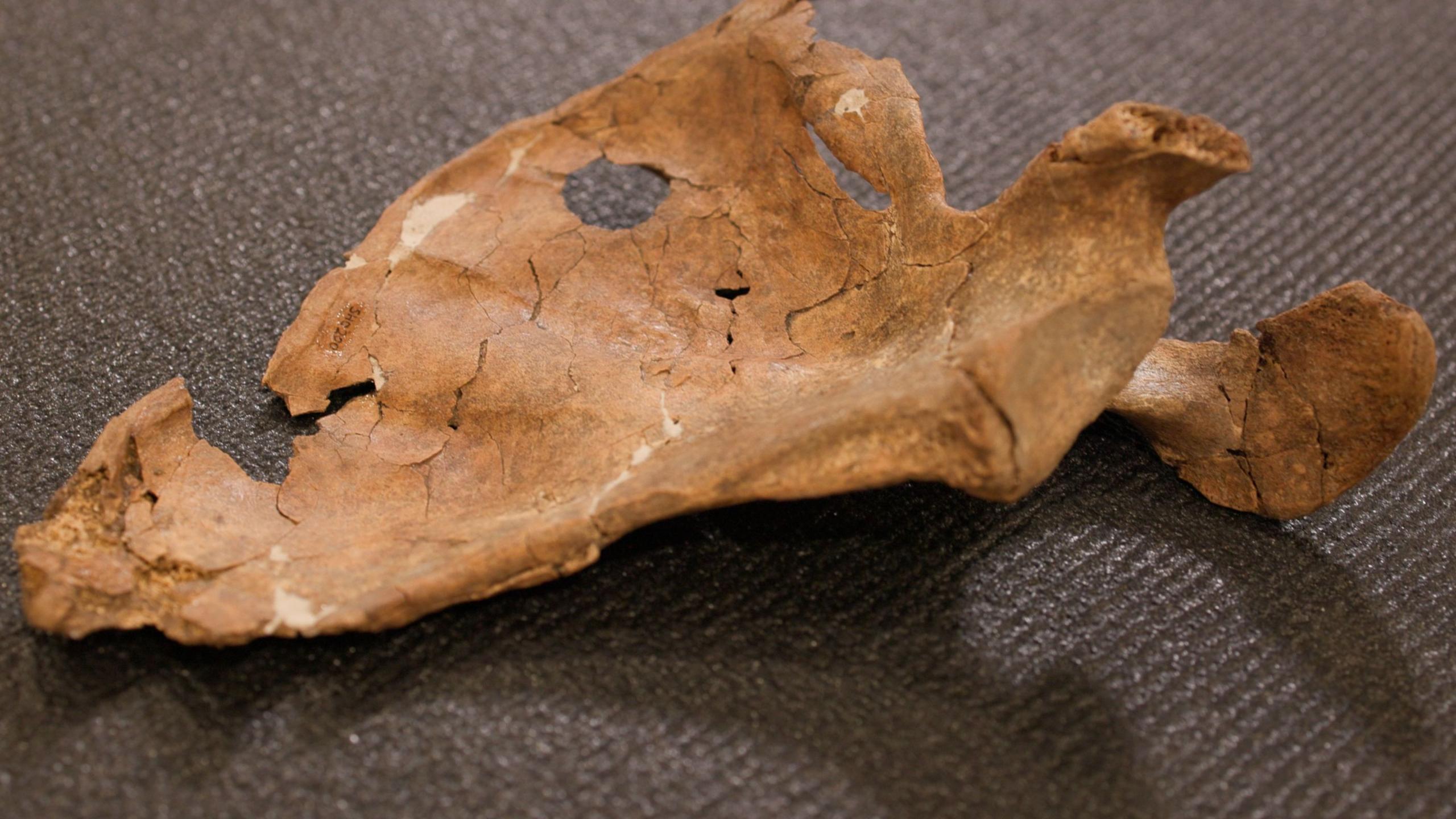
Archaeologists studying the bones of a Neanderthal who lived roughly 75,000 years ago have uncovered a 15‑millimetre circular hole in a left scapula that could be the earliest evidence of lethal violence with a sharpened wooden spear.
The wound, found in Shanidar Cave in northern Iraq, points to an intentional heart‑shot that would have severed major blood vessels and the lung. Dr Emma Pomeroy of Cambridge University describes it as “probably the earliest evidence for lethal interpersonal violence from a wooden spear.”
While the researchers leave open the possibility of a hunting accident, experts like Prof Chris Stringer argue that the placement and severity of the wound make an intentional attack more likely. Earlier 1950s finds in the same cave showed rib injuries consistent with stone‑tipped spears, adding weight to the violence hypothesis.
The discovery feeds into a growing body of evidence of human‑on‑human conflict that dates back well before agriculture. A 2022 study of Neanderthal skulls in Spain’s “Pit of Bones” found 57 healed head injuries among 20 individuals, with nine potentially fatal fractures, suggesting deliberate blows as far back as 430,000 years.
These findings challenge the long‑held view that prehistoric societies were predominantly peaceful, hinting at the deep roots of organized or opportunistic violence in human prehistory.
Figure: A close‑up of a Neanderthal left shoulder blade from Shanidar A highlighting the 15‑mm circular wound caused by a wooden spear.