In brief
Israeli military actions have escalated dramatically, leading to airstrikes on Sana’a International Airport following recent Houthi missile attacks targeting Israel.
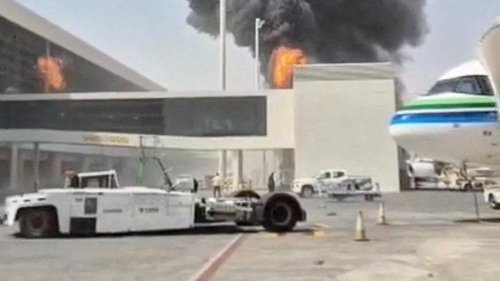
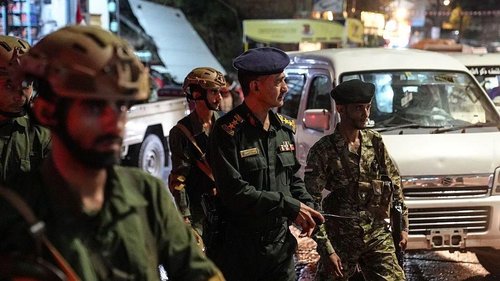
In a significant escalation of regional conflict, Israeli fighter jets launched strikes on Sana’a International Airport in Yemen on Tuesday, according to the Israeli military. This offensive comes just days after the Iranian-backed Houthi militia fired a ballistic missile that landed in proximity to Israel’s main airport, Ben-Gurion International Airport, injuring at least six individuals.The attack on Sana’a marks an intensification in the ongoing confrontation with the Houthis, who control Sana and large areas in northwestern Yemen. The Houthi group has been sending numerous rockets and drones towards Israel as part of a solidarity campaign aimed at the Palestinian plight amid the ongoing Gaza conflict. Details surrounding the damage inflicted on Sana’a’s airport remain unclear; however, the airport plays a crucial role for over 20 million residents in Houthi-controlled territories, connecting them to international routes. Prior to executing the airstrike, the Israeli military had publicly announced its intent to target the airport, urging nearby residents to evacuate.This recent military engagement was provoked by a Houthi ballistic missile that successfully bypassed Israeli air defenses and struck near Ben-Gurion International Airport. The incident prompted multiple airlines to suspend operations, amplifying fears of ongoing hostilities, and eliciting strong vows of retaliation from Israeli officials.On the night following the missile incident, Israel conducted airstrikes on the port city of Hudaydah and a nearby concrete facility, reportedly resulting in at least four deaths and over thirty injuries, as confirmed by the Houthi-aligned health ministry.In response to the escalated attacks, the Houthis declared an "air blockade" on Israel, signaling their intent to persist in targeting Israeli airports, further complicating the regional security landscape. As the situation evolves, the implications of these hostilities on broader Middle Eastern stability remain a critical subject for analysts and policymakers alike. Aaron Boxerman and Vivian Nereim report on the unfolding situation, providing insights from both Israel and Yemen to analyze the ramifications of these military actions.