In brief
Almost nine months after the fall of Sheikh Hasina's government, interim leader Muhammad Yunus is grappling with political challenges and military pressure, expressing his willingness to resign if not granted necessary backing for conducting elections.
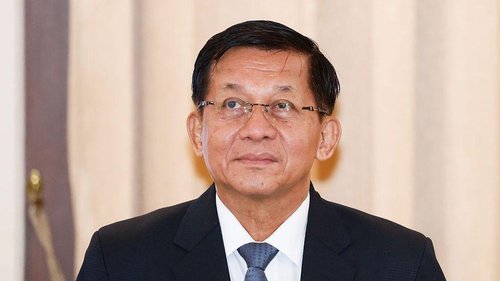
In the wake of a democratic uprising that saw the resignation of Sheikh Hasina’s embattled regime, Bangladesh finds itself amid a political impasse. Last August, a wave of public sentiment led by youth activists successfully ousted the increasingly autocratic government, igniting a collective hope for a return to democracy. However, as the months have progressed, the interim government, led by Nobel Peace Prize winner Muhammad Yunus, is feeling the strain of unmet expectations.Nine months into his role, Yunus, revered for his humanitarian achievements, now expresses frustration over the slow pace of electoral reform. Appointed under conditions of unrest, Yunus aimed to pave a measured path toward fair elections. Yet, his leadership is being challenged by criticism from the dominant political party and military interests, both of whom accuse him of dragging his feet on essential electoral processes.On Thursday, Yunus escalated the situation by suggesting he might resign unless he secures the political and military support needed to proceed with his agenda. His aides reported that he had even drafted a resignation speech but ultimately decided against it after concerns that such a move could further destabilize the already fragile nation. His discontent is particularly linked to recent public comments from the military chief advocating for elections within the year, alongside mounting pressure from political adversaries.While Yunus was initially viewed as a beacon of hope, his current predicament raises questions about the future of governance in Bangladesh and the complexities of transitioning back to a fully functioning democratic system after a prolonged period of authoritarianism. The next few weeks could prove pivotal as stakeholders evaluate their positions and the country’s direction in the lead-up to the anticipated elections.