
In brief
In the aftermath of Hurricane Beryl, a significant portion of Barbados' fishing fleet was left crippled, and the community grapples with the ongoing effects of climate change on the industry.
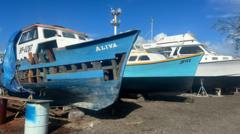
The scars of Hurricane Beryl's wrath are still evident in Barbados, particularly within its fishing community, which suffered immensely from the hurricane that struck in July. The temporary boatyard in Bridgetown showcases dozens of damaged fishing vessels, revealing the destructive force of the storm. While some boats are being repaired, many more remain sunken, taking with them the livelihoods of numerous fishermen.When the storm hit, approximately 75% of the active fishing fleet faced damage, with 88 boats lost entirely. Charles Carter, owner of the fishing vessel "Joyce," detailed the extensive repairs needed for his boat. "I've had to change both sides of the hull, up to the waterline," he explained, emphasizing the financial burden that months of restoration have imposed on him.Despite the challenges, recent weeks have seen a glimmer of hope as some repaired vessels made their way back into the ocean, supported by government assistance and community efforts. However, the collective anxiety surrounding climate change looms large over the industry. Hurricane Beryl has drawn attention to the anticipated increase in the intensity of hurricane seasons due to climate change.Dr. Shelly Ann Cox, the Chief Fisheries Officer, elaborated on how fishermen are now contending with altered sea patterns, including rising sea surface temperatures and changing currents, which affect the availability of their catch, especially flying fish—an iconic symbol of Barbadian cuisine.As the local fish market remains bustling with activity, several vendors report ongoing struggles despite having their stalls open. Cornelius Carrington, whose business was also adversely impacted by the storm, noted that climate changes are indelibly altering fish availability and patterns of the sea. He shared concerns about how these alterations affect not only local fishermen but the wider tourism sector reliant on fresh fish supplies.The effects of climate change extend to the youth, who are increasingly aware of environmental issues. At Harrison College, students discussed their concerns regarding the role and responsibility of small nations like Barbados in combating global pollution. While some expressed pessimism, others remained hopeful about collaborative efforts leading to meaningful change.Amidst this backdrop, Prime Minister Mia Mottley has emerged as a prominent voice for Caribbean nations, advocating for greater global accountability and calling for reparative measures from industrialized countries contributing to climate change.With rising sea levels and extreme weather becoming a norm, longstanding fishermen like Steven Bourne express a mix of frustration and resilience. "There's nowhere for we to go. We love this rock. And we will always be on this rock," Bourne reflected, signifying the emotional and cultural ties the island's residents have to their land.The implications of hurricanes and climate change continue to challenge policy makers, fishermen, and the broader community in Barbados, creating an urgent plea for concerted action to safeguard their industry and future in an uncertain climate.
