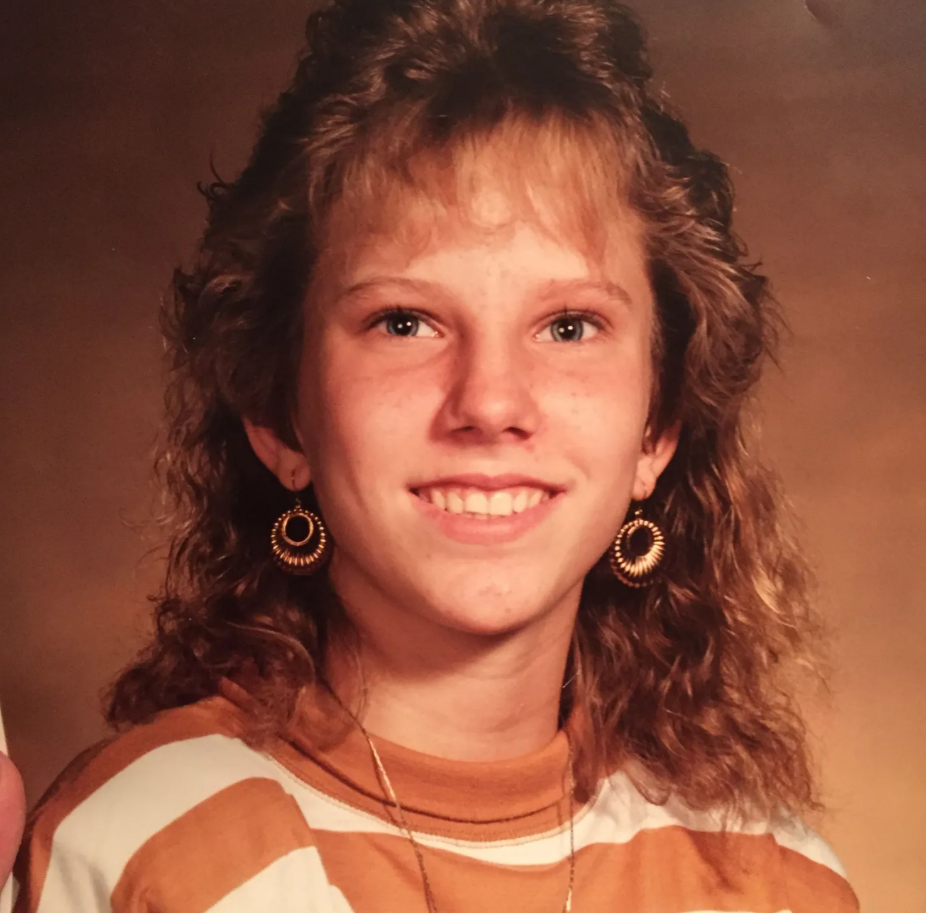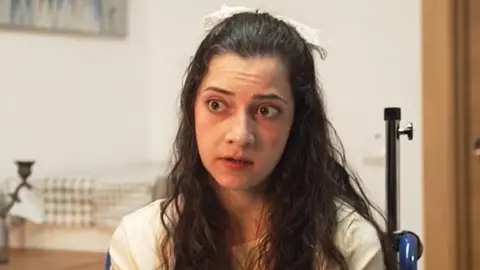
A Spanish woman who has conducted a long legal battle with her father for the right to end her life is due to die by euthanasia on Thursday. Barcelona resident Noelia Castillo, 25, was left paraplegic due to injuries suffered when she tried to take her own life in 2022.
The Catalan government granted her the right to assisted dying in the summer of 2024 but the process was suspended at the last moment following legal objections raised by her father, with the backing of the conservative campaign group Abogados Cristianos (Christian Lawyers).
He argued that his daughter suffered from a personality disorder which affected her judgement. He also pointed to the state’s obligation to protect the lives of people, particularly vulnerable individuals like those with mental health issues. This appeal initiated an 18-month legal battle, which ultimately ended when the European Court of Human Rights (ECHR) ruled in favor of Noelia Castillo.
Speaking to Spanish television earlier this week, Castillo expressed her frustrations, stating that her father had consistently attempted to legally block her decision. He hasn't respected my decision and never will, she said. She also recounted a difficult childhood, much of it spent in care homes.
Starting from her first relationship, Castillo shared harrowing experiences of sexual assault, leading to her emotional struggles. Alluding to feelings of isolation, she declared determination over her choice, stating, Nobody in my family is in favour, but what about all the suffering I have endured over the years? I just want to leave in peace and stop the pain.
Her mother, Yolanda, has indicated that she does not agree with her daughter's decision but respects it nevertheless. Under Spain's euthanasia law, which took effect in 2021, those requesting assisted dying can do so under strict conditions, with 426 requests approved in 2024 alone.
Castillo's case is significant as it is the first of its kind that went to court for judicial resolution, thus igniting intense discussions surrounding autonomy, mental health, and the moral implications of state intervention in personal choices.
The Catalan government granted her the right to assisted dying in the summer of 2024 but the process was suspended at the last moment following legal objections raised by her father, with the backing of the conservative campaign group Abogados Cristianos (Christian Lawyers).
He argued that his daughter suffered from a personality disorder which affected her judgement. He also pointed to the state’s obligation to protect the lives of people, particularly vulnerable individuals like those with mental health issues. This appeal initiated an 18-month legal battle, which ultimately ended when the European Court of Human Rights (ECHR) ruled in favor of Noelia Castillo.
Speaking to Spanish television earlier this week, Castillo expressed her frustrations, stating that her father had consistently attempted to legally block her decision. He hasn't respected my decision and never will, she said. She also recounted a difficult childhood, much of it spent in care homes.
Starting from her first relationship, Castillo shared harrowing experiences of sexual assault, leading to her emotional struggles. Alluding to feelings of isolation, she declared determination over her choice, stating, Nobody in my family is in favour, but what about all the suffering I have endured over the years? I just want to leave in peace and stop the pain.
Her mother, Yolanda, has indicated that she does not agree with her daughter's decision but respects it nevertheless. Under Spain's euthanasia law, which took effect in 2021, those requesting assisted dying can do so under strict conditions, with 426 requests approved in 2024 alone.
Castillo's case is significant as it is the first of its kind that went to court for judicial resolution, thus igniting intense discussions surrounding autonomy, mental health, and the moral implications of state intervention in personal choices.